




Understanding Gale Warnings: What You Need to Know
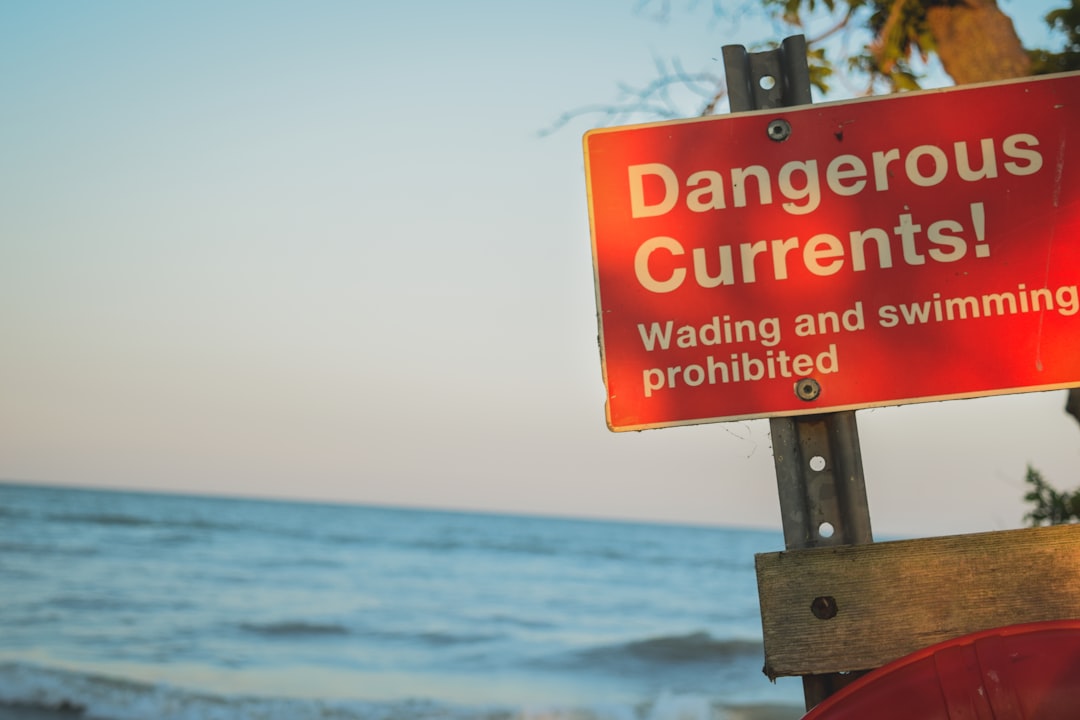
Understanding Gale Warnings: What You Need to Know
As weather patterns change, the National Weather Service (NWS) issues various warnings to keep the public informed about severe weather conditions. One such warning gaining attention in the U.S. is the gale warning. This article delves into what a gale warning means, why it’s issued, and how you can stay safe.
What is a Gale Warning?
A gale warning is a weather advisory issued by the NWS when sustained winds of 34 to 40 knots (39 to 46 mph) are forecasted. These strong winds can lead to hazardous conditions on the water, which poses risks for mariners and coastal communities.
Why Are Gale Warnings Issued?
Gale warnings aim to alert boaters, fishermen, and coastal residents about upcoming weather changes that could lead to dangerous conditions. Such warnings help ensure that those who might be affected can take appropriate precautions.
Impacts of Gale Winds
Gale-force winds can create high waves and rough seas, potentially resulting in:
- Capsizing of small vessels
- Severe erosion along shorelines
- Power outages due to fallen trees and power lines
Understanding the threat level posed by these winds is essential for safety, particularly in coastal and marine environments.
How to Stay Safe During a Gale Warning
Here are some key safety tips to consider if you find yourself under a gale warning:
- Stay Informed: Monitor local weather updates and forecasts. Various apps and websites provide real-time alerts.
- Avoid Small Watercraft: If you’re an avid boater, consider staying off the water. Instead, stay informed about conditions from a safe distance.
- Secure Outdoor Objects: High winds can turn loose items into dangerous projectiles. Secure or bring indoors any furniture or decorations that might be affected.
- Move to Safe Locations: If you’re on the coast and in a vulnerable area, consider relocating to a safer location.
By taking these essential steps, you can mitigate the risks associated with gale warnings.
Conclusion
Gale warnings are serious indicators of potentially dangerous weather conditions. Understanding what they mean and how to respond can keep you safe and informed. The unpredictable nature of weather necessitates vigilance, so always pay attention to the NWS updates and prepare accordingly.
Frequently Asked Questions
What is the difference between a gale warning and a small craft advisory?
A gale warning is issued when winds reach 34 to 40 knots, while a small craft advisory is typically issued for less severe winds, affecting smaller vessels but still indicating hazardous conditions.
Should I take special precautions if I live near the coast during a gale warning?
Yes, if you live near the coast during a gale warning, you should secure outdoor items, stay informed about weather updates, and possibly relocate to a safer place if necessary.
Read Also:
The Trending Rise of Online Lottery in the United States
Source:
Google Trends
{“@context”:”https://schema.org”,”@type”:”FAQPage”,”mainEntity”:[{“@type”:”Question”,”name”:”What is the difference between a gale warning and a small craft advisory?”,”acceptedAnswer”:{“@type”:”Answer”,”text”:”A gale warning is issued when winds reach 34 to 40 knots, while a small craft advisory is typically issued for less severe winds, affecting smaller vessels but still indicating hazardous conditions.”}},{“@type”:”Question”,”name”:”Should I take special precautions if I live near the coast during a gale warning?”,”acceptedAnswer”:{“@type”:”Answer”,”text”:”Yes, if you live near the coast during a gale warning, you should secure outdoor items, stay informed about weather updates, and possibly relocate to a safer place if necessary.”}}]}