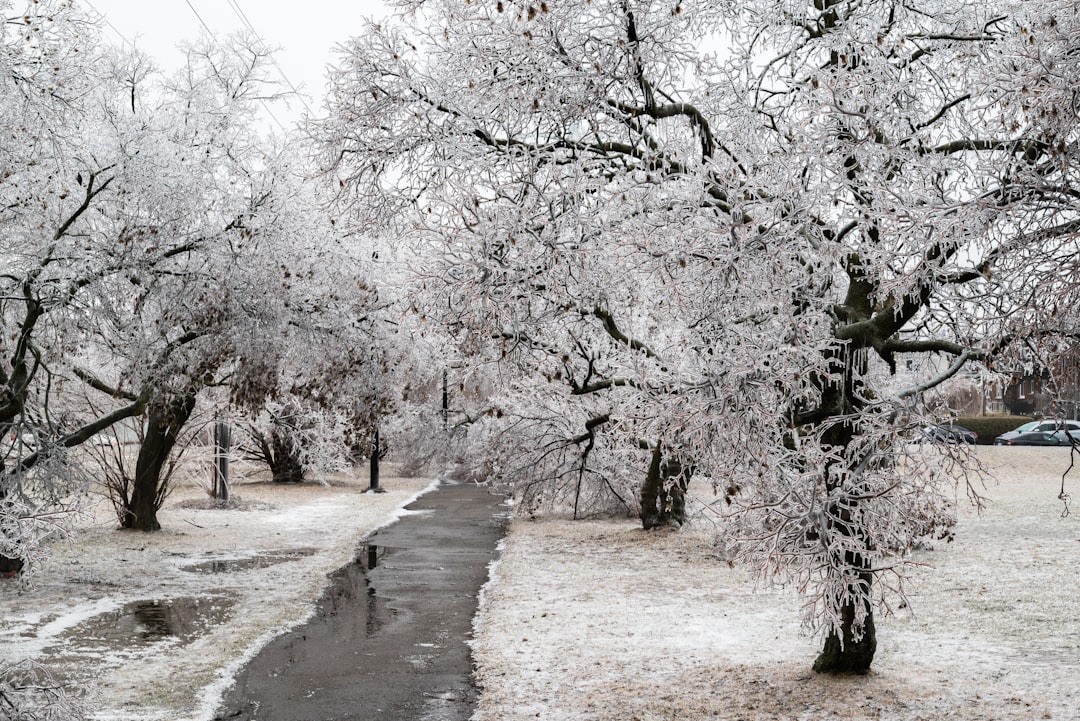



Understanding Ice Storm Warnings: What You Need to Know
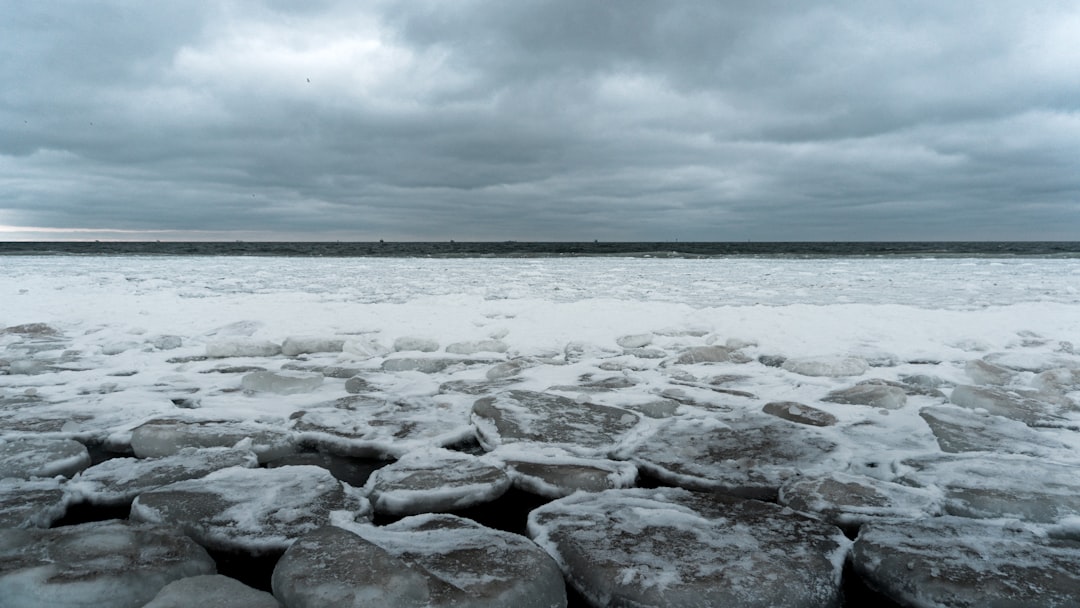
Understanding Ice Storm Warnings: What You Need to Know
As winter draws near, many regions in the United States brace themselves for icy weather. An ice storm warning is one of the critical alerts that meteorologists issue during these frigid months. In this blog post, we will explore what an ice storm warning entails, its implications, and how to prepare for such hazardous conditions.
What Is an Ice Storm Warning?
An ice storm warning is issued when significant amounts of ice are expected to accumulate on surfaces. This warning signifies that conditions could cause dangerous travel, and weight on trees and power lines may lead to outages. Typically, over a quarter of an inch of ice accumulation triggers this warning.
Why Are Ice Storms Dangerous?
Ice storms can be deceptive. While they may seem less severe than blizzards, ice storms often result in significant hazards. Here are some dangers associated with ice storms:
- Hazardous Road Conditions: Ice makes roads treacherous, leading to an increase in accidents and stranded vehicles.
- Downed Power Lines: The weight of the ice can cause trees and branches to snap, leading to blocked roads and power outages.
- Injury Risks: Slips and falls become more common as icy sidewalks and driveways develop.
How to Prepare for an Ice Storm Warning
Preparation is key to staying safe during an ice storm. Here are essential steps to take:
- Stay Informed: Keep up with local weather reports and heed the advice from meteorological agencies.
- Stock Up Supplies: Ensure you have enough food, water, medication, and other essentials to last several days in case of power outages.
- Secure Your Home: Insulate pipes, check your heating systems, and keep a supply of firewood for a fireplace if available.
- Plan Travel Wisely: Avoid unnecessary travel during an ice storm. If you must drive, ensure your vehicle is equipped for winter conditions.
Emergency Kit for Ice Storms
An emergency kit can be a lifesaver during severe weather. Here’s what you should include:
- Flashlights and batteries
- First-aid supplies
- Non-perishable snacks
- Extra blankets
- Chargers for your devices
Conclusion
Ice storm warnings are essential indicators of potentially dangerous weather. Understanding what they mean and how to respond is key to ensuring safety for you and your loved ones. Stay informed, prepare ahead, and always prioritize your well-being when an ice storm approaches.
Read Also:
Exploring the Latest Trends in Comcast Cable: The Future of TV and Internet in the U.S.
Source:
Google Trends
{“@context”:”https://schema.org”,”@type”:”FAQPage”,”mainEntity”:[{“@type”:”Question”,”name”:”What should I do if an ice storm warning is issued?”,”acceptedAnswer”:{“@type”:”Answer”,”text”:”Stay indoors, secure necessary supplies, and avoid travel unless absolutely necessary.”}},{“@type”:”Question”,”name”:”How can ice storms affect power lines?”,”acceptedAnswer”:{“@type”:”Answer”,”text”:”The weight of the ice can bring down trees and branches, leading to power outages and dangerous conditions.”}},{“@type”:”Question”,”name”:”Can I drive during an ice storm warning?”,”acceptedAnswer”:{“@type”:”Answer”,”text”:”It’s best to avoid driving, as roads are likely to be extremely slippery and dangerous.”}},{“@type”:”Question”,”name”:”What are the signs of an impending ice storm?”,”acceptedAnswer”:{“@type”:”Answer”,”text”:”Indicators include dropping temperatures, mist or light rain falling in cold weather, and localized weather alerts.”}}]}