



Understanding National Grid Power Outages: Causes, Effects, and Preparedness
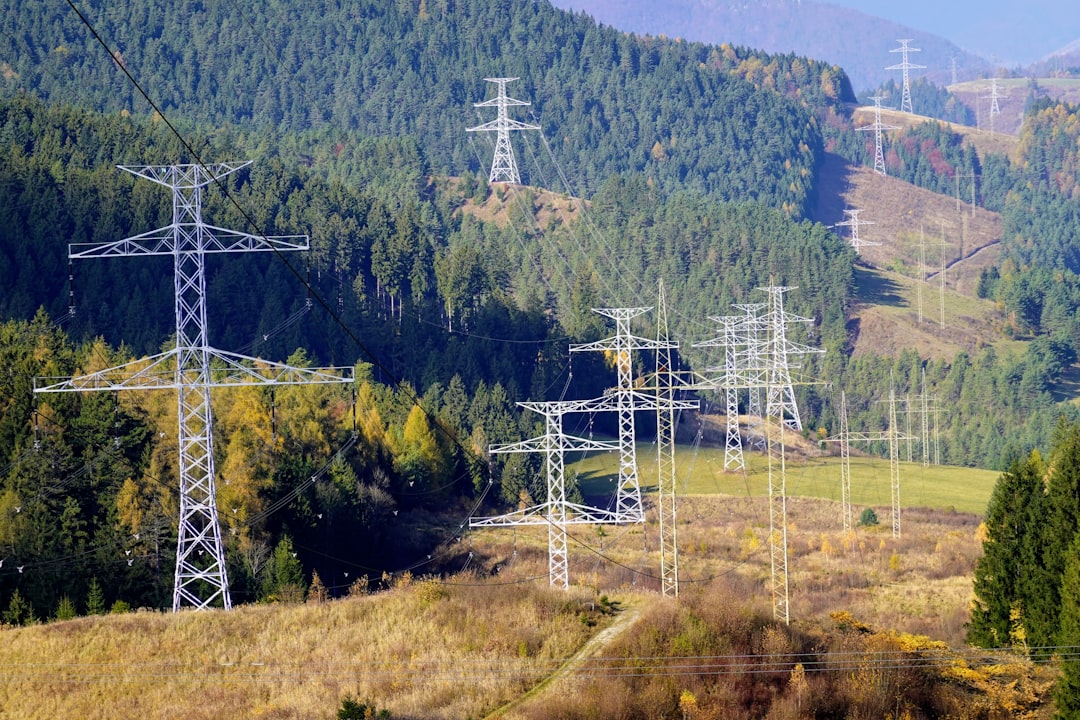
Understanding National Grid Power Outages: Causes, Effects, and Preparedness
Power outages are not just a nuisance; they can disrupt daily life and safety. With the frequency of national grid power outages on the rise in the United States, it is essential to understand their causes, implications, and how to be prepared. This blog post delves into the trending issues surrounding power outages and what you can do to stay safe.
What Causes National Grid Power Outages?
The causes of power outages can be numerous, often involving a mix of natural and man-made factors. Some of the most common causes include:
- Severe Weather: Hurricanes, thunderstorms, ice storms, and heavy winds can cause extensive damage to power lines and infrastructure.
- Equipment Failure: Malfunctions in transformers, substations, or other equipment can lead to unexpected outages.
- Human Error: Mistakes made by utility workers during maintenance or upgrades can inadvertently cause outages.
- Cyber Attacks: As technology evolves, so do threats. Cybersecurity vulnerabilities can lead to disruptions in service.
- Increased Demand: During peak demand times, such as summer heatwaves, the grid may become overloaded, resulting in outages.
The Impact of Power Outages
Power outages can have significant effects on various aspects of life:
- Health and Safety: Medical facilities can face serious consequences if power is lost, potentially affecting patient care.
- Economic Loss: Businesses can suffer from loss of revenue due to shutdowns, affecting local economies.
- Communication Disruption: Outages can disrupt internet and phone services, making it difficult to obtain information.
- Food Spoilage: Extended outages can lead to food spoilage in homes and businesses that rely on refrigeration.
How to Prepare for a Power Outage
While it’s impossible to prevent power outages from happening, being prepared can mitigate their impact:
- Have an Emergency Kit: Stock up on essentials like bottled water, non-perishable food, flashlights, batteries, and first-aid supplies.
- Backup Power Sources: Consider investing in a generator to provide backup power during outages.
- Stay Informed: Sign up for local alerts and keep a battery-operated radio to stay updated on the situation.
- Plan Ahead: Identify friends or family who may offer shelter if power loss extends for a prolonged period.
- Review Insurance Policies: Ensure that your homeowner’s insurance covers any damages that result from power outages.
Conclusion
As national grid power outages become more prevalent, understanding their causes and effects is crucial to ensuring safety and preparedness. By taking the necessary steps to prepare for outages, individuals can lessen their impact on daily life.
Stay informed, stay safe, and remember that being prepared can make all the difference during an unexpected power outage.
Read Also:
The Rise of Sekiro Anime: A Trend Taking the U.S. by Storm
Source:
Google Trends
{“@context”:”https://schema.org”,”@type”:”FAQPage”,”mainEntity”:[{“@type”:”Question”,”name”:”What is a national grid power outage?”,”acceptedAnswer”:{“@type”:”Answer”,”text”:”A national grid power outage is a disruption in electricity supply across a large area, affecting homes and businesses.”}},{“@type”:”Question”,”name”:”How can I prepare for power outages?”,”acceptedAnswer”:{“@type”:”Answer”,”text”:”To prepare for power outages, create an emergency kit, consider a generator, stay informed, and plan for safe shelter if needed.”}}]}