



Understanding the Heat Advisory: Essential Tips for Staying Safe During Extreme Heat
Understanding the Heat Advisory: Essential Tips for Staying Safe During Extreme Heat
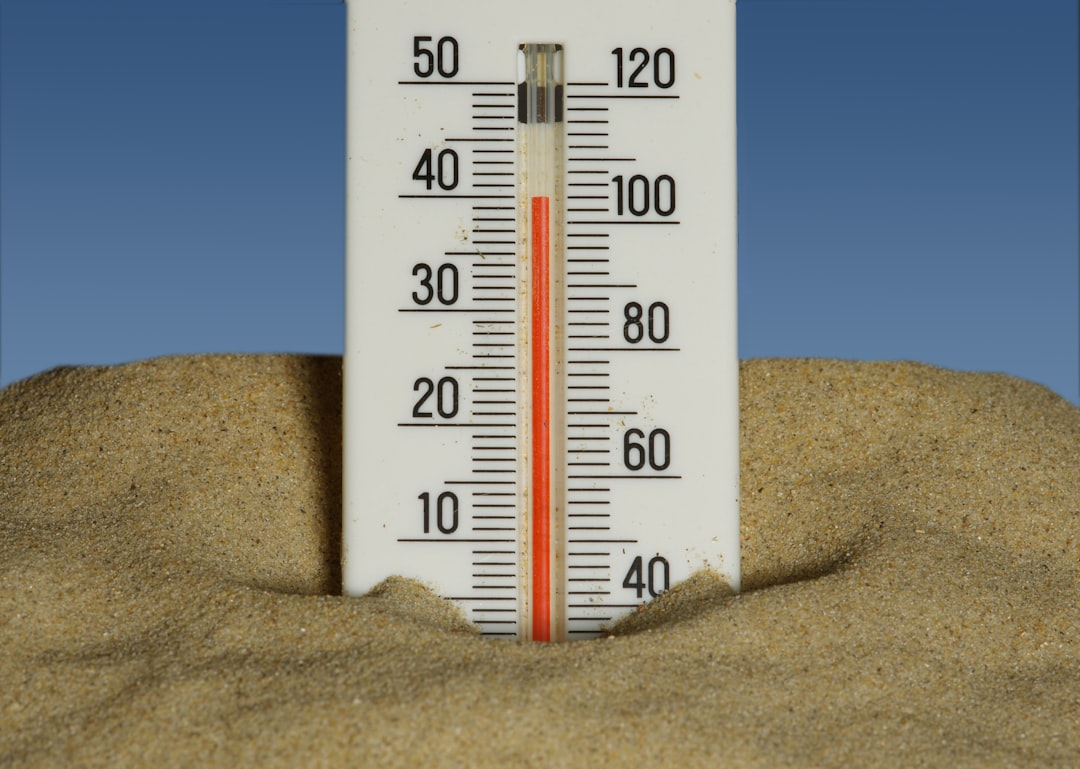
As the summer heat intensifies, the United States faces an increasing number of heat advisories. These warnings are crucial for public awareness and safety, indicating severe heat conditions that can pose risks to health and well-being. In this article, we will discuss what a heat advisory is, its implications, and essential safety tips for those affected.
What is a Heat Advisory?
A heat advisory is issued by weather services when the temperatures are expected to reach dangerous levels for an extended period. Typically, this happens when the heat index – a combination of temperature and humidity – exceeds 100°F (37.8°C) for several consecutive days. While these advisories can vary by region, they serve the same purpose: to alert the public to take necessary precautions.
Why are Heat Advisories Important?
Heat advisories play a critical role in public safety. High temperatures can lead to heat-related illnesses, such as heat exhaustion and heat stroke. Vulnerable populations, including the elderly, children, and individuals with pre-existing health conditions, are particularly at risk. Understanding these advisories can help individuals make informed decisions about their health and safety during extreme heat events.
Signs of Heat-Related Illnesses
Recognizing the signs of heat-related illnesses is crucial for early intervention. Common symptoms include:
- Dizziness or fainting
- Nausea or vomiting
- Rapid pulse
- Heavy sweating or lack of sweating
- Headache
- Muscle cramps
If you or someone you know exhibits these symptoms, it’s essential to seek medical attention immediately.
Tips to Stay Safe During a Heat Advisory
When a heat advisory is in effect, following these safety tips can help protect you and your loved ones:
- Stay Hydrated: Drink plenty of water throughout the day, even if you don’t feel thirsty.
- Avoid Strenuous Activity: Limit outdoor activities, especially during the hottest parts of the day, typically between 10 AM and 4 PM.
- Wear Lightweight Clothing: Opt for light-colored, loose-fitting clothing to help regulate your body temperature.
- Use Fans and AC: If possible, stay indoors in an air-conditioned space. If you don’t have air conditioning, consider visiting a local public shelter or library.
- Check on Vulnerable Individuals: Reach out to elderly neighbors or those with medical conditions to ensure they are okay during extreme heat days.
How to Prepare for Future Heat Advisories
Preparing for heat advisories can minimize their impact on you and your family. Here are some steps you can take:
- Keep a stock of water and non-perishable food items.
- Have a plan for power outages and locate cooling centers in your area.
- Stay informed by signing up for weather alerts and notifications.
Conclusion
Heat advisories serve as a vital reminder of the potential dangers posed by extreme weather conditions. By staying informed, taking necessary precautions, and looking out for one another, we can navigate these sweltering days safely. Remember, it’s better to be prepared than to react in the face of heat-related emergencies.
Read Also:
Micah McFadden: Rising Star in American Football
Source:
Google Trends
{“@context”:”https://schema.org”,”@type”:”FAQPage”,”mainEntity”:[{“@type”:”Question”,”name”:”What should I do if I experience heat exhaustion?”,”acceptedAnswer”:{“@type”:”Answer”,”text”:”If you experience heat exhaustion, move to a cooler place, hydrate with water or sports drinks, and rest. If symptoms worsen, seek medical attention.”}},{“@type”:”Question”,”name”:”How can I help someone suffering from heat-related illness?”,”acceptedAnswer”:{“@type”:”Answer”,”text”:”If someone is suffering from a heat-related illness, move them to a cooler location, loosen tight clothing, provide cool water or fluids, and seek medical aid if necessary.”}}]}