



Understanding the Israel-Iran Tensions: A Growing Concern in the United States
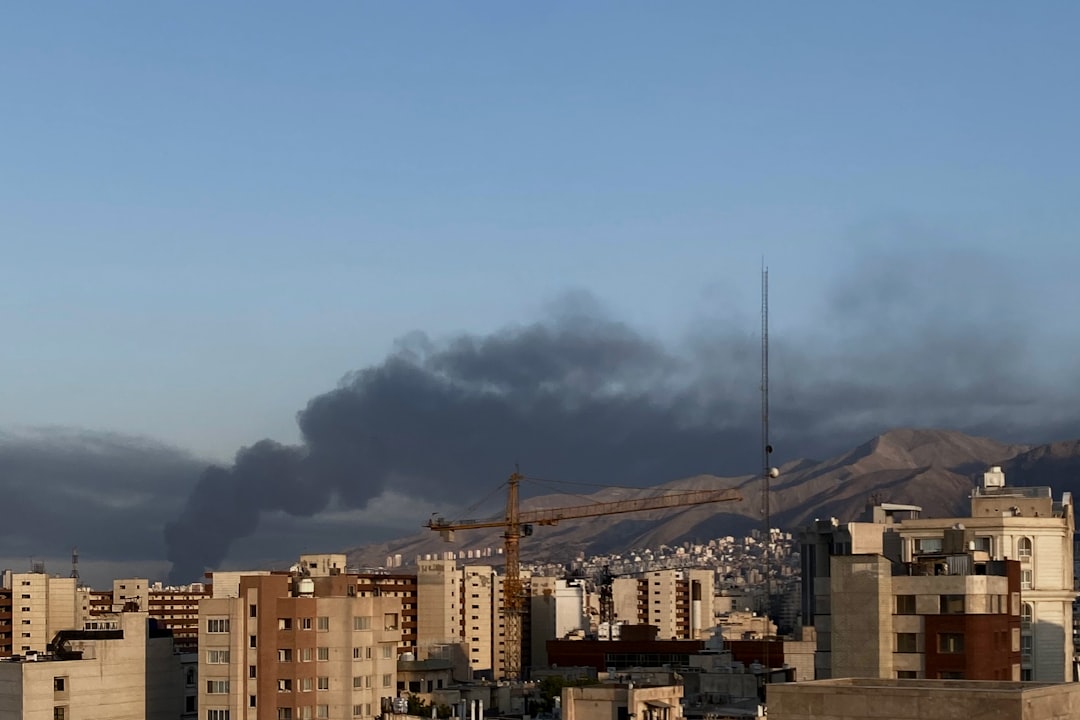
Understanding the Israel-Iran Tensions: A Growing Concern in the United States
The geopolitical landscape in the Middle East is shifting, and the ongoing tensions between Israel and Iran have captured significant attention in the United States. As recent developments unfold, it’s essential to understand the implications and the potential ramifications of these tensions.
The History of Israel-Iran Relations
Historically, Israel and Iran had a relatively cordial relationship until the Islamic Revolution in 1979. Under the Shah, the two nations shared mutual interests, but the rise of the Islamic Republic marked a significant turning point. Iran has since become one of Israel’s most formidable adversaries, frequently criticizing Israel’s policies and its existence.
Current Developments
Recently, tensions have escalated with heightened military activities and hostile rhetoric from both sides. The U.S. has been closely monitoring these developments as fears arise about a potential military confrontation. Reports of Iran providing advanced weaponry to Hamas and Hezbollah have particularly alarmed Israeli officials, prompting warnings of preemptive strikes.
The U.S. Response
The United States has played a pivotal role in mediating relations in the Middle East. President Biden’s administration has reiterated its commitment to Israel’s defense while also seeking to renew nuclear negotiations with Iran. The complexities of these relationships have raised questions about the U.S.’s strategic interests in the region and how they may be affected by a potential conflict.
Public Perception and Media Coverage
In the U.S., public interest in the Israel-Iran situation has surged. Social media and news outlets have flooded with analyses, forecasts, and opinions regarding the potential for a military attack. The tensions are often discussed in the context of broader issues such as international law, human rights, and the impact on global oil markets.
Potential Consequences of an Attack
Should there be a military confrontation, the consequences would likely extend beyond the territories in question. An attack could destabilize an already volatile region and lead to widespread geopolitical repercussions, including economic fallout. Oil prices could surge, causing global markets to react negatively.
What Lies Ahead?
As both Israel and Iran navigate their next moves, the possibility of conflict remains palpable. Analysts suggest that diplomatic alternatives should still be explored in tandem with military preparedness. The Biden administration faces the challenging task of balancing support for Israel while fostering dialogue with Iran.
Conclusion
The ongoing Israel-Iran tensions represent a critical issue not only for the Middle East but also for U.S. foreign policy. With a potential military confrontation looming, it is crucial for global leaders to seek diplomatic resolutions to prevent further escalation. The coming weeks will be pivotal in determining the trajectory of these fraught relations.
Read Also:
Madison Beer: The Rising Star Captivating the United States Music Scene
Source:
Google Trends
{“@context”:”https://schema.org”,”@type”:”FAQPage”,”mainEntity”:[{“@type”:”Question”,”name”:”What are the historical roots of the Israel-Iran conflict?”,”acceptedAnswer”:{“@type”:”Answer”,”text”:”The conflict originated after the Islamic Revolution in 1979, which transformed Iran from a U.S. ally into a staunch adversary of Israel.”}},{“@type”:”Question”,”name”:”How is the United States involved in the Israel-Iran situation?”,”acceptedAnswer”:{“@type”:”Answer”,”text”:”The U.S. plays a mediating role, supporting Israel’s defense while attempting to engage diplomatically with Iran regarding its nuclear program.”}}]}