



Understanding the Rising Trend of Target Boycotts in the United States
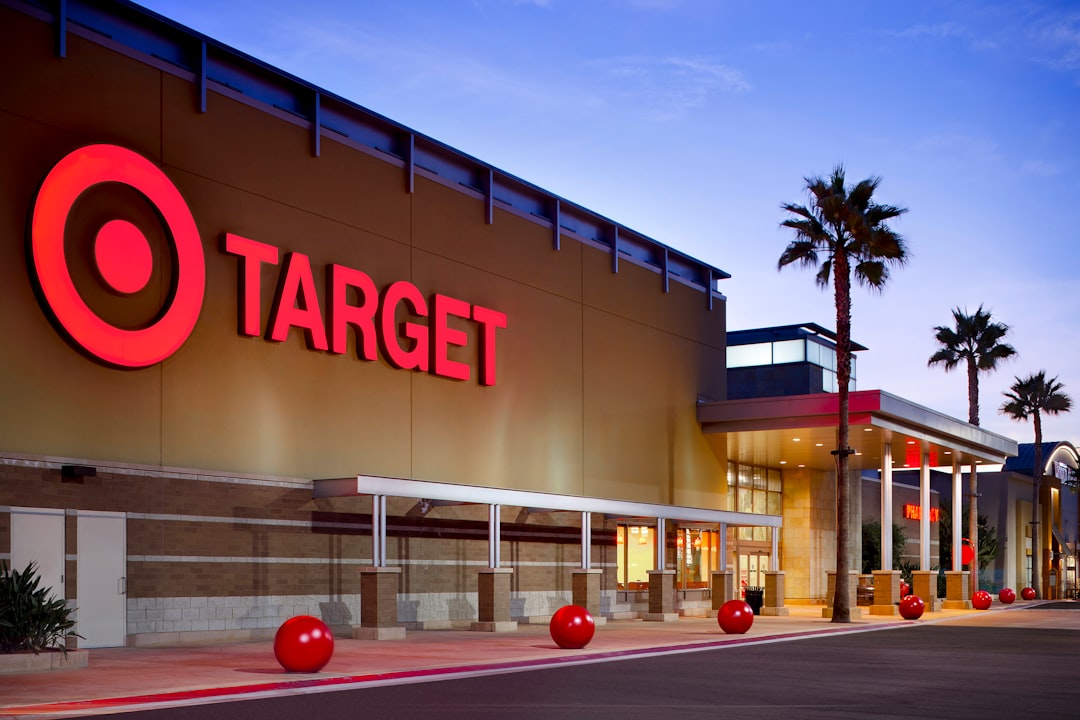
Understanding the Rising Trend of Target Boycotts in the United States
In recent months, the United States has witnessed a notable surge in boycotts against popular retail chains, with Target becoming a focal point of these movements. The phenomenon of ‘Target Boycotts’ has piqued the interest of consumers, activists, and marketers alike. In this blog post, we will explore the reasons behind these boycotts, their impact, and what they mean for both consumers and corporations.
What are Target Boycotts?
Target boycotts generally arise when groups of consumers express their discontent with the company’s business practices, policies, or support of certain causes. These boycotts are organized campaigns aimed at urging individuals to refrain from shopping at Target until their demands are met. They can be sparked by various issues, ranging from political stance to social concerns.
Reasons Behind the Boycotts
One of the primary triggers for Target boycotts has been the company’s stance on social issues. Many consumers have strong opinions about corporate responsibility, and when they feel that a brand has taken a stance against their beliefs, they often turn to boycotting as a form of protest.
Political Stance and Activism
Target has faced backlash for supporting causes or legislation that certain consumer groups perceive as controversial or contrary to their values. For instance, Target’s commitment to equity and inclusion has drawn both praise and criticism, highlighting the polarizing nature of these social issues.
Product Selection and Advertising Decisions
Another reason consumers have called for boycotts is Target’s product selections and advertising campaigns that they find offensive or inappropriate. This can include anything from the type of merchandise carried during certain holidays to the way products are marketed to specific demographic groups.
Corporate Policies
The company’s internal policies and practices also play a role. If consumers believe Target’s policies unfairly impact certain groups, they may feel compelled to act. For example, policies related to employee treatment, diversity initiatives, or community involvement can spark significant public outcry.
Impact of Boycotts on Target
Boycotts can have serious financial implications for companies like Target. Extended boycotts may lead to significant revenue loss, shifts in public perception, and ultimately force companies to reassess their business strategies. Research suggests that not only do boycotts affect immediate sales, but they may also have longer-lasting repercussions on brand loyalty and consumer trust.
Public Relations Challenges
Target has had to navigate complex public relations challenges resulting from boycotts. In many instances, these campaigns have received considerable media coverage, placing additional pressure on the corporation to respond effectively. An inability to manage public perception successfully can lead to a downward spiral, diminishing consumer confidence and loyalty.
Consumer Activism and Corporate Accountability
The trend of boycotting major retailers like Target highlights a broader shift in consumer behavior, emphasizing accountability and corporate responsibility. Shoppers are increasingly aware of the power they hold and are more inclined to use their purchasing decisions to voice their opinions. This represents a growing trend in consumer activism that companies must heed.
Conclusion
Target boycotts reflect the evolving landscape of consumer activism in the United States. As these movements continue to gain traction, it becomes vital for companies to listen to their customers and respond proactively to concerns. Whether through enhancing transparency, supporting local communities, or adapting marketing strategies, adapting to consumer expectations is critical for future success.
Read Also:
Katy Perry: The Unstoppable Pop Icon Trending in the United States
Source:
Google Trends
{“@context”:”https://schema.org”,”@type”:”FAQPage”,”mainEntity”:[{“@type”:”Question”,”name”:”What causes people to boycott Target?”,”acceptedAnswer”:{“@type”:”Answer”,”text”:”People may boycott Target due to the company’s political stances, product selections, or internal policies that conflict with their values.”}},{“@type”:”Question”,”name”:”How do boycotts affect Target’s business?”,”acceptedAnswer”:{“@type”:”Answer”,”text”:”Boycotts can lead to financial losses, shifts in public perception, and potential long-term impacts on brand loyalty and trust.”}}]}