



Understanding Tornado Warnings: What You Need to Know to Stay Safe
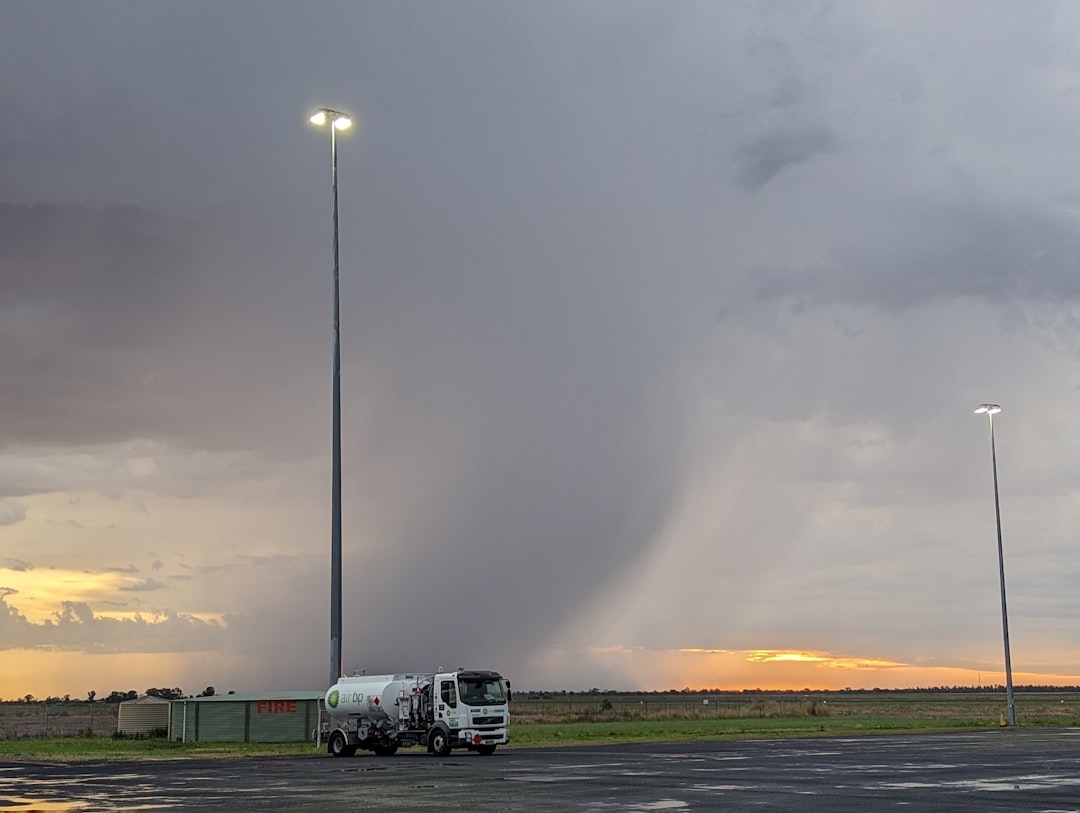
Understanding Tornado Warnings: What You Need to Know to Stay Safe
Tornadoes are powerful natural disasters that can occur with little warning, often leaving destruction in their wake. In the United States, understanding tornado warnings is crucial to ensuring the safety of yourself and your loved ones during severe weather events. This blog post will delve into what tornado warnings are, how they are issued, and what actions you should take when a warning is in effect.
What is a Tornado Warning?
A tornado warning is an urgent message issued when a tornado has been spotted in your area or indicated by radar. It’s a signal that a tornado is likely imminent and can occur within minutes. Knowing the difference between a tornado watch and a tornado warning is essential. A watch means conditions are favorable for tornadoes, while a warning means a tornado is actively occurring.
How Tornado Warnings Are Issued
Tornado warnings are issued by the National Weather Service (NWS) based on data collected from radar and storm spotters. As severe storms develop, meteorologists monitor the weather closely. If the radar indicates rotation or a funnel cloud, and a tornado is suspected, a warning will be broadcasted to the public via various media channels, including television, radio, and emergency alert systems.
Staying Informed: Where to Find Information
During tornado season, it’s essential to stay informed about weather conditions. You can follow local news stations, download weather apps, or use NOAA weather radios to receive live updates. Social media platforms are also a great way to stay connected with meteorologists and weather authorities. Many local agencies tweet warnings and updates in real-time.
What to Do When a Tornado Warning is Issued
When a tornado warning is in effect, it’s critical to take immediate action. Here are steps you should follow:
- Seek Shelter: Find a safe location. Basements and storm shelters are ideal. If these are not available, stay in an interior room on the lowest floor of a sturdy building.
- Avoid Windows: Stay away from windows to protect yourself from flying debris.
- Protect Yourself: Use heavy furniture, mattresses, or your arms to shield your head and neck from potential debris.
- Listen for Updates: Keep a battery-powered weather radio or a mobile app handy to stay informed about the storm’s development.
The Aftermath of a Tornado
After the tornado has passed, assess your surroundings carefully. Do not enter damaged buildings until they are declared safe. Check for injuries and provide first aid if necessary. Report downed power lines and hazards to the appropriate authorities. It’s essential to help others if you are safe and able to do so.
Prepare Yourself for Future Tornados
Preparation is key to staying safe during tornado season. Create a family emergency plan, and discuss it with everyone in your household. Assemble a disaster kit with essential items that you can quickly grab in the event of a tornado warning. Understanding the basics of tornadoes can save lives.
Conclusion
Tornado warnings are critical notifications that can help save lives. By understanding what they mean and knowing how to respond, you can protect yourself and your family during severe weather emergencies. Stay informed, be prepared, and remember that your safety is the top priority.
Read Also:
Understanding Chicago Weather: What to Expect Throughout the Year
Source:
Google Trends
{“@context”:”https://schema.org”,”@type”:”FAQPage”,”mainEntity”:[{“@type”:”Question”,”name”:”What is the difference between a tornado watch and a tornado warning?”,”acceptedAnswer”:{“@type”:”Answer”,”text”:”A tornado watch indicates that conditions are favorable for tornadoes, while a tornado warning means a tornado has been sighted or indicated by radar.”}},{“@type”:”Question”,”name”:”How can I prepare for a tornado?”,”acceptedAnswer”:{“@type”:”Answer”,”text”:”Create an emergency plan with your family, set up a disaster kit, and ensure you have ways to receive weather alerts, such as a weather radio or mobile app.”}}]}