



Understanding Winter Storm Warnings: What You Need to Know
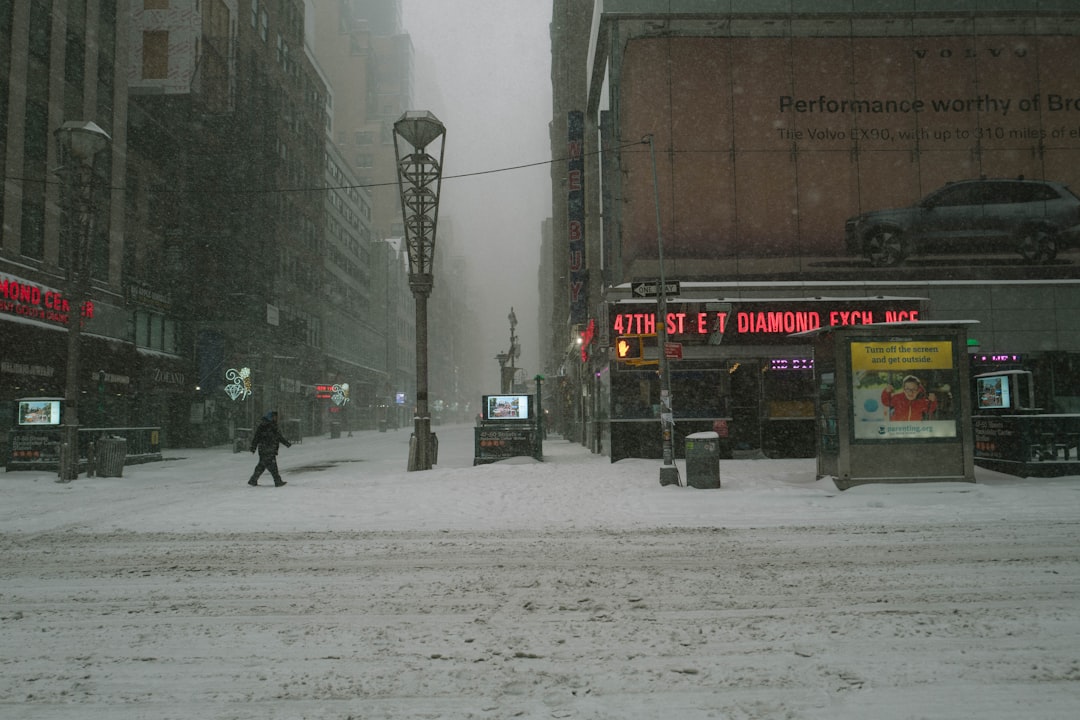
Understanding Winter Storm Warnings: What You Need to Know
As winter settles in across the United States, winter storm warnings are becoming increasingly common. These alerts not only inform residents of severe weather conditions but also serve as crucial safety notices. In this blog post, we’ll dive into what winter storm warnings mean, how to prepare for them, and the impact they can have on your daily life.
What is a Winter Storm Warning?
A winter storm warning is issued by the National Weather Service (NWS) when a significant winter weather event is expected to bring hazardous conditions. This can include heavy snowfall, freezing rain, or ice accumulation. When you hear a winter storm warning, it indicates that the conditions for a serious winter storm are imminent and you should take precautions.
How Are Winter Storm Warnings Issued?
The warning system is based on various weather models and real-time data collection. Meteorologists analyze satellite imagery, radar, and computer-generated forecasts to assess whether a storm is likely to meet the criteria for a winter storm warning. Factors considered include:
- Expected snowfall amounts
- Ice accumulation
- Wind chills
- Temperature drops
Preparing for a Winter Storm Warning
Preparation is key when a winter storm warning is issued. Here are some steps you can take to ensure you and your family are safe:
- Stock Up on Essentials: Non-perishable food, water, medications, and batteries should be on hand.
- Emergency Kit: Prepare a kit that includes a flashlight, first-aid supplies, blankets, and a radio.
- Stay Informed: Monitor weather updates through local news and weather apps to stay aware of changing conditions.
- Plan Your Travel Accordingly: If possible, avoid unnecessary travel during severe winter weather. If you must travel, ensure your vehicle is winter-ready.
Understanding the Impact of Winter Storm Warnings
Winter storms can disrupt daily life significantly. Roads may become impassable, schools and businesses might close, and emergency services may be limited. Here are some typical impacts you can expect during a winter storm:
- Traffic Accidents: Icy roads can lead to hazardous driving conditions.
- Power Outages: Heavy snow or ice accumulation can take down power lines, leading to outages.
- Property Damage: Accumulation of snow and ice can cause structural damage and falling trees.
Winter Storm Safety Tips
Here are some essential safety tips to keep in mind during a winter storm:
- Stay Indoors: If conditions are severe, it is best to stay indoors until the storm passes.
- Avoid Overexertion: Shoveling snow can lead to physical strain. Take breaks and stay hydrated.
- Check on Neighbors: Especially the elderly or those who may need assistance during the storm.
Conclusion
Winter storm warnings are serious alerts that everyone should take seriously. By understanding what they mean and how to prepare, you can ensure the safety of yourself and your loved ones. Stay informed, heed the warnings, and take the necessary precautions to navigate through the cold winter months safely.
Read Also:
Understanding the Western Conference Standings: A Mid-Season Review
Source:
Google Trends
{“@context”:”https://schema.org”,”@type”:”FAQPage”,”mainEntity”:[{“@type”:”Question”,”name”:”What should I do when a winter storm warning is issued?”,”acceptedAnswer”:{“@type”:”Answer”,”text”:”Prepare by stocking up on essentials, staying informed through updates, and avoiding unnecessary travel.”}},{“@type”:”Question”,”name”:”How often are winter storm warnings updated?”,”acceptedAnswer”:{“@type”:”Answer”,”text”:”Winter storm warnings are updated regularly based on changing weather conditions. Stay tuned to local news channels or weather apps for real-time updates.”}}]}