



Understanding Winter Weather Advisories: What You Need to Know
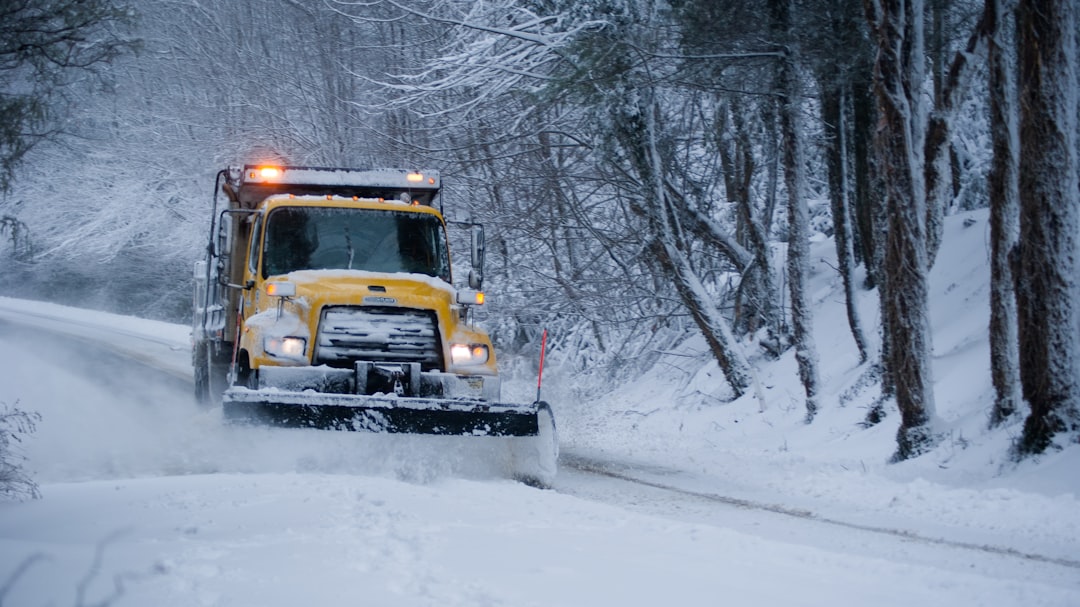
Understanding Winter Weather Advisories
As winter settles in, many regions across the United States face unpredictable weather conditions. From heavy snowfall to icy roads, understanding winter weather advisories is crucial for safety and preparedness. This article will guide you through what a winter weather advisory is, the key terms related to it, and how to prepare for the winter months.
What is a Winter Weather Advisory?
A winter weather advisory is a notification issued by the National Weather Service (NWS) to alert the public of expected winter weather conditions that could cause hazardous situations. Unlike winter storm warnings or blizzard alerts, advisories usually indicate that the weather will cause inconvenience and may pose risks but is not as severe as other warnings.
Types of Winter Weather Advisories
Winter weather advisories can encompass several types of winter weather phenomena, including:
- Snow: Advisories may be issued for light to moderate snowfall that could impact daily activities.
- Icy conditions: When ice forms on roads or pathways, advisories are often issued to prevent accidents.
- Sleet: Mixed precipitation can create slippery surfaces, prompting advisories.
- Freezing rain: This is one of the most dangerous conditions and may lead to travel advice and increased caution.
Why are Winter Weather Advisories Important?
Winter weather advisories are an essential tool for public safety. They inform residents of potential hazards, allowing them to take necessary precautions. These may include:
- Delaying travel plans.
- Preparing emergency kits for home or vehicles.
- Staying up-to-date through local news or weather apps.
How to Prepare for Winter Weather Advisories
Preparing for winter weather advisories involves several proactive steps:
- Stay informed: Monitor reliable sources for updates on weather forecasts.
- Create an emergency kit: Stock essential supplies like food, water, blankets, batteries, and first-aid items.
- Winterize your home: Seal drafts, insulate pipes, and ensure heating systems are functioning well.
- Check your vehicle: Ensure your car is winter-ready with proper tires, fluids, and an emergency kit.
Common Questions about Winter Weather Advisories
Understanding winter weather advisories can be complex. Here are some frequently asked questions:
What is the difference between an advisory and a warning?
An advisory indicates that weather conditions could cause inconvenience and may pose risks, while a warning signifies more severe weather that is imminent or occurring.
How can I stay updated on winter weather advisories?
Stay updated through local news broadcasts, the National Weather Service website, weather apps, or social media channels that provide real-time updates.
Conclusion
Winter weather advisories are crucial for keeping the public informed and prepared for hazardous conditions. By understanding the significance of these advisories and taking proactive steps, you can better protect yourself and your loved ones during the winter months. Remember, when in doubt, always prioritize safety and stay informed.
Read Also:
Understanding Student Loans: A Comprehensive Guide for 2023
Source:
Google Trends
{“@context”:”https://schema.org”,”@type”:”FAQPage”,”mainEntity”:[{“@type”:”Question”,”name”:”What is a winter weather advisory?”,”acceptedAnswer”:{“@type”:”Answer”,”text”:”A winter weather advisory alerts the public of expected winter conditions that could cause hazardous situations.”}},{“@type”:”Question”,”name”:”How do I prepare for a winter weather advisory?”,”acceptedAnswer”:{“@type”:”Answer”,”text”:”Stay informed, create an emergency kit, winterize your home, and ensure your vehicle is ready for winter conditions.”}}]}