




War Machine 2026: The Future of Military Technology in the United States
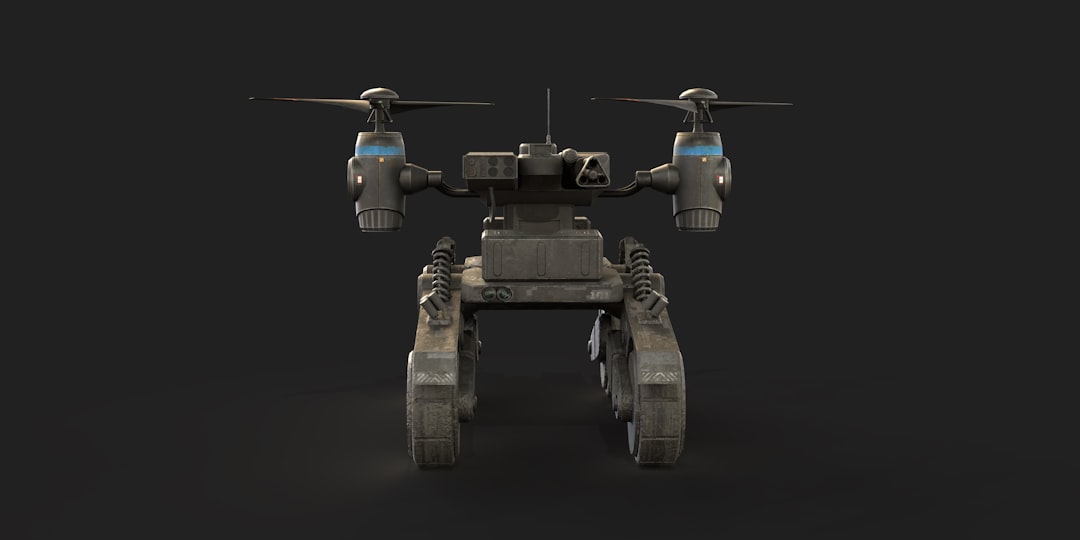
War Machine 2026: The Future of Military Technology in the United States
As we edge closer to 2026, the term ‘War Machine 2026’ has been gaining traction across various platforms in the United States. But what exactly does this phrase encompass? In essence, it refers to the cutting-edge military technology and strategies that are set to redefine modern warfare.
The Evolution of Military Technology
Over the last two decades, the U.S. military has undergone a significant transformation. From the introduction of unmanned aerial vehicles (UAVs) to advanced cyber warfare capabilities, the U.S. has consistently pushed the boundaries of what is possible. War Machine 2026 is poised to build on this foundation, fostering innovations that not only enhance combat capabilities but also reshape the rules of engagement.
Key Technologies Shaping War Machine 2026
- Artificial Intelligence (AI): The integration of AI in warfare cannot be understated. From autonomous drones to predictive analytics that inform strategic decisions, AI is set to revolutionize the battlefield.
- Hypersonic Weapons: As countries race to develop hypersonic technology, the U.S. is investing in weapons that can travel at speeds greater than Mach 5, making them nearly impossible to intercept.
- Cyber Warfare Capabilities: In an era where information is a strategic asset, enhancing cyber capabilities is no longer optional. The U.S. is committed to developing robust systems to defend against and conduct cyber operations.
- Quantum Computing: Quantum computers are expected to solve complex problems at unprecedented speeds. Their application in cryptography and military logistics could change the way the U.S. conducts operations.
The Impact on Warfare Strategies
As these technologies come into play, traditional warfare strategies are set to evolve. The concept of asymmetric warfare—where one side utilizes advanced technology against a less capable opponent—will gain more prominence. Additionally, hybrid warfare, which combines conventional and unconventional tactics, will be central to U.S. military strategies.
Potential Challenges and Concerns
While the advancements promised by War Machine 2026 appear beneficial, they also raise a host of ethical and strategic challenges. Concerns about the use of autonomous weapons, the potential for AI-driven decision-making leading to unintended escalations, and the ramifications of increasing cyber vulnerabilities are paramount.
The Role of Public Discourse
As War Machine 2026 continues to trend in public discussions, it’s crucial for citizens to engage in conversations about the implications of these military advancements. Awareness and understanding can guide policymakers in making decisions that reflect the values and safety of society.
Conclusion
The landscape of warfare is rapidly changing, and War Machine 2026 embodies the fusion of technology, strategy, and ethics in military operations. As we look toward the future, it becomes imperative to navigate this path with caution, ensuring that advancements in military technology serve to enhance national security while upholding the principles of humanity.
Read Also:
Discovering St. Petersburg: America's Hidden Gem
Source:
Google Trends
{“@context”:”https://schema.org”,”@type”:”FAQPage”,”mainEntity”:[{“@type”:”Question”,”name”:”What is War Machine 2026?”,”acceptedAnswer”:{“@type”:”Answer”,”text”:”War Machine 2026 refers to the upcoming advancements in military technology and strategies in the United States.”}},{“@type”:”Question”,”name”:”How will AI impact future warfare?”,”acceptedAnswer”:{“@type”:”Answer”,”text”:”AI will enhance decision-making and operational efficiency, introducing new capabilities like autonomous weapons and advanced analytics.”}}]}