


Exploring the Wonders of the Caspian Sea: A Gem of the Earth
Exploring the Wonders of the Caspian Sea: A Gem of the Earth
The Caspian Sea, the world’s largest enclosed inland body of water, is a fascinating destination that has captivated the interests of travelers, researchers, and environmentalists alike. Stretching over 1,200 kilometers, it is bordered by five countries: Russia, Kazakhstan, Turkmenistan, Iran, and Azerbaijan. With its rich history, diverse ecosystems, and unique geological features, the Caspian Sea is trending in the United States as more people seek to learn about this remarkable body of water.
Geography and Unique Features
The Caspian Sea is not a sea in the traditional sense; rather, it is classified as a lake due to its enclosed nature. It holds about 18,800 cubic kilometers of water and reaches a maximum depth of approximately 1,025 meters. The unique geological history of the Caspian Sea has led to the formation of various types of landscapes around its shores, including sand dunes, marshlands, and rocky cliffs.
Diverse Ecosystem
The Caspian Sea is renowned for its rich biodiversity and is home to numerous species of flora and fauna. Notably, the Caspian Seal is the only freshwater seal species in the world. The sea also supports more than 1,500 species of animals and plants, many of which are found nowhere else on Earth. With ongoing environmental concerns, conservation efforts are essential to protect the unique ecosystems of this remarkable water body.
Cultural and Historical Significance
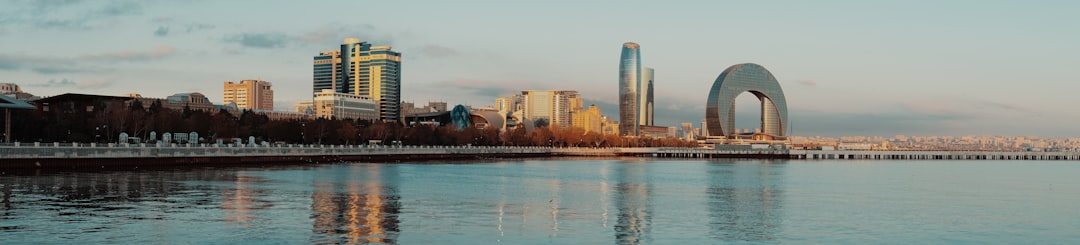
The Caspian Sea has been a vital trade route for centuries, linking various civilizations and cultures. Ancient cities and port towns along its shores tell stories of a rich past where fishing, trade, and transportation thrived. Today, cities like Baku in Azerbaijan showcase a blend of modern development and historical architecture, making them ideal for cultural tourism.
Tourism and Recreational Activities
Tourism at the Caspian Sea is on the rise, with travelers drawn to its beautiful beaches, historic sites, and outdoor activities. Visitors can indulge in various recreational options such as swimming, boating, and fishing. The surrounding regions offer hiking, trekking, and even skiing opportunities in nearby mountain ranges. The diverse activities available make the Caspian Sea an appealing destination for adventure seekers and leisure travelers alike.
Environmental Challenges
Despite its unique beauty and ecological significance, the Caspian Sea faces several environmental threats. Pollution from industrial runoff, overfishing, and climate change are exerting pressure on its fragile ecosystems. International cooperation and effective management strategies are crucial for preserving the health of the Caspian Sea and ensuring its sustainability for future generations.
Conclusion
The Caspian Sea is a captivating body of water that offers an array of experiences for visitors and a wealth of knowledge for researchers. Its unique geological and ecological traits combined with its rich historical and cultural background make it an essential area of interest. As awareness of environmental issues continues to grow in the United States and around the globe, the Caspian Sea serves as a reminder of the importance of preserving our planet’s natural wonders.
Read Also:
Bryce James: The Rising Star of American Basketball
Source:
Google Trends
{“@context”:”https://schema.org”,”@type”:”FAQPage”,”mainEntity”:[{“@type”:”Question”,”name”:”What is the Caspian Sea?”,”acceptedAnswer”:{“@type”:”Answer”,”text”:”The Caspian Sea is the world’s largest enclosed inland body of water, bordered by five countries: Russia, Kazakhstan, Turkmenistan, Iran, and Azerbaijan.”}},{“@type”:”Question”,”name”:”Why is the Caspian Sea significant?”,”acceptedAnswer”:{“@type”:”Answer”,”text”:”The Caspian Sea is significant due to its unique biodiversity, rich cultural history, and its role as a vital trade and transportation route.”}}]}