



Exploring the Lincoln Tunnel: A Gateway to New York City
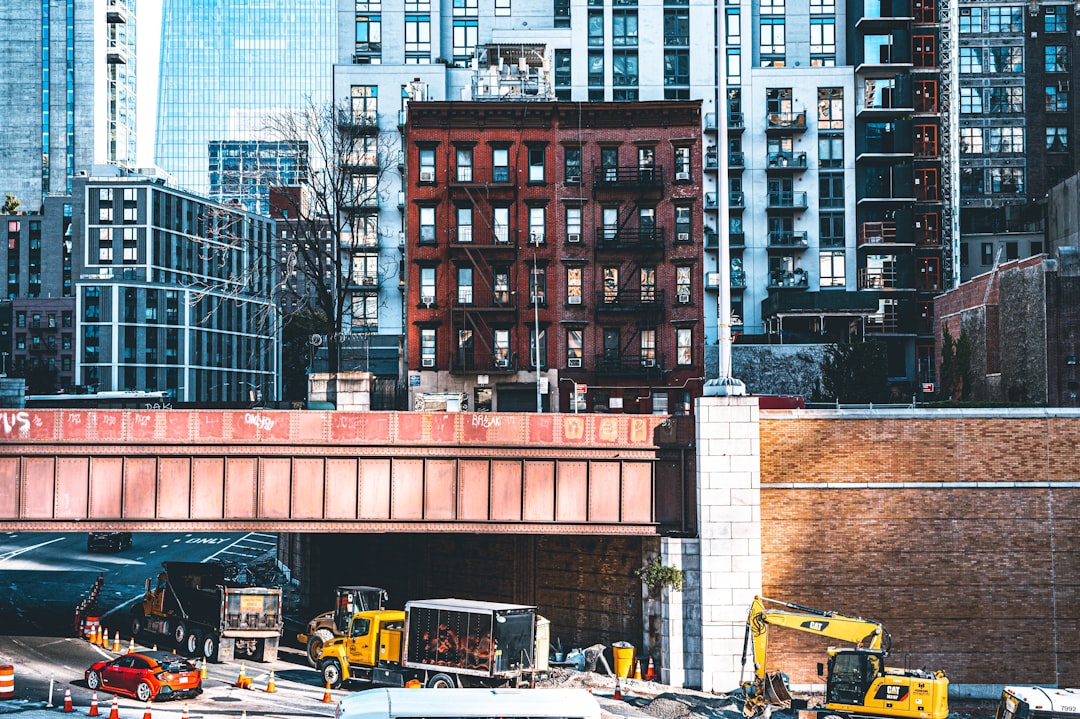
Exploring the Lincoln Tunnel: A Gateway to New York City
The Lincoln Tunnel is a vital transportation route connecting New Jersey with the bustling streets of Manhattan, New York City. Completed in 1937, this engineering marvel not only facilitates daily commutes for thousands but also stands as a testament to the innovation of its time. In this article, we’ll dive into its fascinating history, key features, and tips for navigating this essential link.
The History of the Lincoln Tunnel
Construction of the Lincoln Tunnel began in 1934 and took three years to complete. The project became particularly significant during the Great Depression, providing jobs and stimulating the economy. Named after Abraham Lincoln, this tunnel was inaugurated on December 22, 1937, and has since played a critical role in regional transportation.
Key Features of the Lincoln Tunnel
The Lincoln Tunnel spans approximately 1.5 miles and is composed of three separate tubes. Each tube accommodates vehicles traveling in one direction, effectively managing traffic flow. The tunnel can handle about 120,000 vehicles daily, making it one of the busiest vehicular tunnels in the world.
Tube Configuration
The first tube opened in 1937, followed by the second tube in 1945 and the third in 1957. These tubes feature a unique ventilation system that helps manage exhaust and maintain air quality inside the tunnel, ensuring a safer travel experience.
Traffic Management
To alleviate congestion, the Port Authority of New York and New Jersey employs various dynamic traffic management strategies, including variable message signs and traffic cameras that provide real-time information to motorists.
Traveling Through the Lincoln Tunnel
Traveling through the Lincoln Tunnel can be a breeze with the right planning. Here are some tips to make your journey smoother:
1. Peak Hours
Try to avoid traveling during peak hours—typically weekday mornings from 7 to 10 AM and evenings from 4 to 7 PM. During these times, traffic can be heavy, and delays are common.
2. EZ Pass vs. Cash
Using an EZ Pass for payment can significantly reduce your wait time, as cash lanes often face longer queues. Consider getting an EZ Pass if you plan to use the tunnel frequently.
3. Real-Time Updates
Utilize navigation apps to check real-time traffic conditions before heading out. These applications can help you choose alternative routes if the tunnel is congested.
Future Developments
The Lincoln Tunnel is not just a relic of the past but continues to evolve. Plans to enhance traffic management systems and improve the overall experience for travelers are underway. The focus is on incorporating advanced technology to ensure safety and efficiency as traffic patterns change.
Conclusion
The Lincoln Tunnel is more than just a transportation route; it is a symbol of resilience, ingenuity, and community connection. Whether you’re a daily commuter or a tourist venturing into the heart of New York City, understanding the history and operations of this tunnel enhances your travel experience. So next time you find yourself passing through, take a moment to appreciate the engineering feat that has been a lifeline for millions.
Read Also:
Bulls vs 76ers: A Rivalry Heating Up in the NBA
Source:
Google Trends
{“@context”:”https://schema.org”,”@type”:”FAQPage”,”mainEntity”:[{“@type”:”Question”,”name”:”How long is the Lincoln Tunnel?”,”acceptedAnswer”:{“@type”:”Answer”,”text”:”The Lincoln Tunnel spans approximately 1.5 miles.”}},{“@type”:”Question”,”name”:”What is the best way to pay tolls in the Lincoln Tunnel?”,”acceptedAnswer”:{“@type”:”Answer”,”text”:”Using an EZ Pass is recommended as it reduces wait times compared to cash lanes.”}},{“@type”:”Question”,”name”:”What are the peak hours for the Lincoln Tunnel?”,”acceptedAnswer”:{“@type”:”Answer”,”text”:”Peak hours are typically on weekdays from 7 to 10 AM and 4 to 7 PM.”}}]}