



Understanding the Vietnam War: A Key Moment in American History
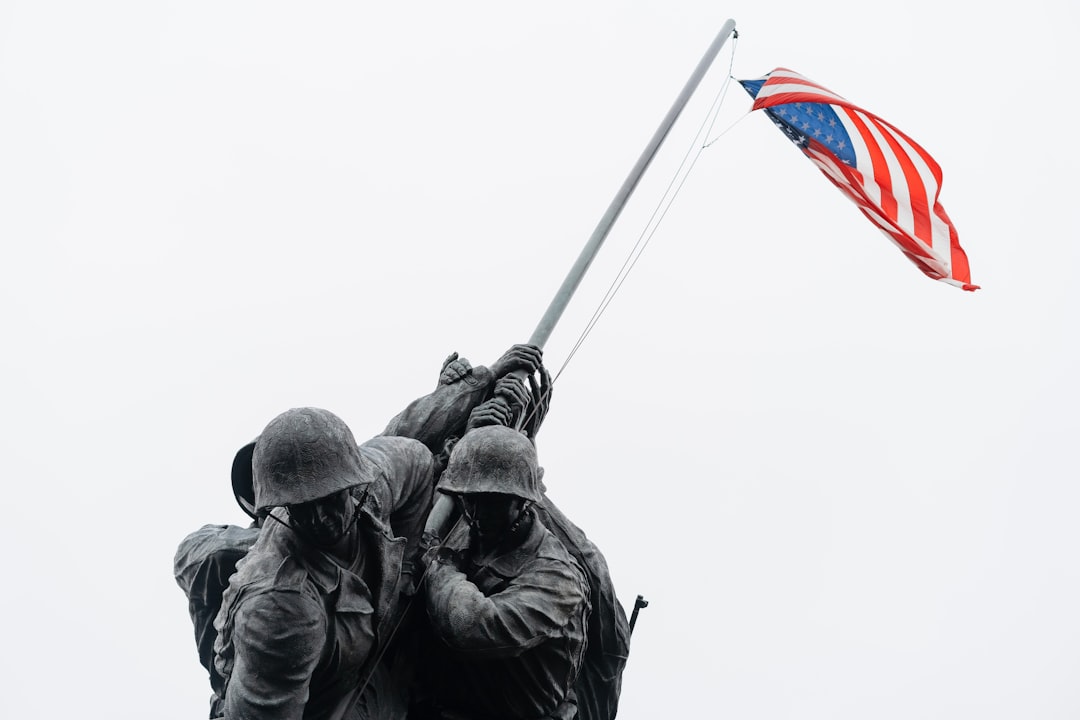
The Vietnam War: A Deep Dive into America’s Conflict
The Vietnam War, a tumultuous period that spanned from 1955 to 1975, remains one of the most significant and controversial chapters in American history. As the United States grapples with its historical narratives, this war continues to trend as Americans seek to understand its implications and lessons.
The Background of the Conflict
The Vietnam War originated from a complex interplay of historical, political, and social dynamics. After World War II, a wave of decolonization swept across Asia, where multiple nations, including Vietnam, sought independence from colonial rule. The split between North Vietnam (communist) and South Vietnam (non-communist) under the Geneva Accords in 1954 set the stage for a geopolitical battle fueled by Cold War tensions.
American Involvement
Initially, American involvement in Vietnam was limited to providing military advisors and economic aid. However, by the early 1960s, the U.S. escalated its military commitment, culminating in the deployment of combat troops following the Gulf of Tonkin incident in 1964. This escalation marked the beginning of a prolonged conflict that would claim over 58,000 American lives and millions of Vietnamese.
Key Events of the Vietnam War
Several critical events defined the Vietnam War, reshaping public opinion and policy. The Tet Offensive in 1968, a surprise attack by North Vietnamese forces during the lunar New Year celebrations, demonstrated that the enemy was far from defeated, challenging the U.S. government’s optimistic assessments. The My Lai Massacre further unsettled the American public, revealing the darker aspects of the U.S. military operations.
The Role of Media
The Vietnam War was the first conflict extensively covered by television, fostering a real-time connection between the battlefront and the American living room. Graphic images and reports of violence played a crucial role in shaping public sentiment and solidifying anti-war protests across the country.
Aftermath and Legacy
The war officially ended in 1975, but its repercussions linger. Many veterans faced challenges reintegrating into society, grappling with physical and psychological scars. Politically, it led to a period of distrust in government, influencing how subsequent conflicts were approached.
Vietnam Today: A Different Perspective
Modern Vietnam has undergone significant changes since the conclusion of the war. With a growing economy and positive international relations, particularly with the United States, Vietnam has emerged as a destination for travel and business. Understanding this transformation requires an acknowledgment of the war’s complex legacy.
Conclusion
The Vietnam War remains relevant today as discussions about conflict, nationalism, and resilience continue to resonate. As America reflects on its past, the lessons learned from this conflict shape discourse and policy in contemporary society.
Read Also:
Philadelphia 76ers: A Rising Force in the NBA
Source:
Google Trends
{“@context”:”https://schema.org”,”@type”:”FAQPage”,”mainEntity”:[{“@type”:”Question”,”name”:”What caused the Vietnam War?”,”acceptedAnswer”:{“@type”:”Answer”,”text”:”The Vietnam War was largely caused by colonial struggles, the divide between communism and capitalism, and the U.S. commitment to contain communism during the Cold War.”}},{“@type”:”Question”,”name”:”What were the major consequences of the Vietnam War?”,”acceptedAnswer”:{“@type”:”Answer”,”text”:”The Vietnam War resulted in significant loss of life, a distrust of government authority among Americans, and long-lasting psychological and societal impacts on veterans and their families.”}}]}