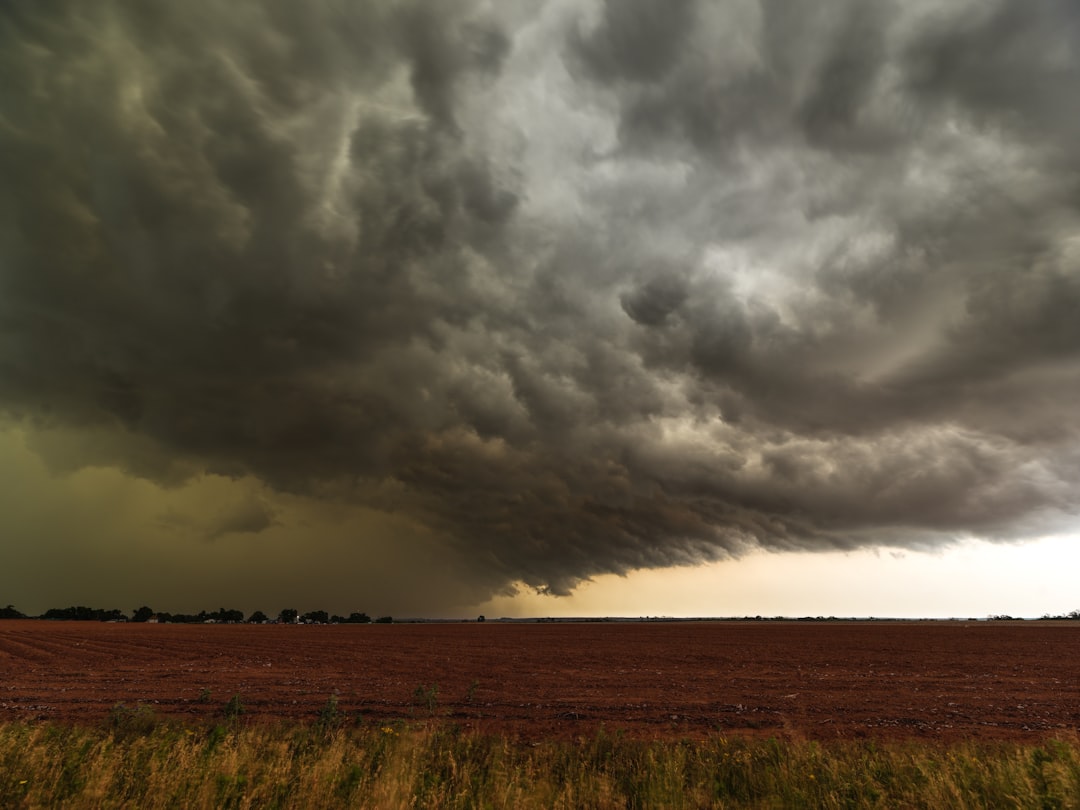



Understanding Flash Flood Warnings: What You Need to Know
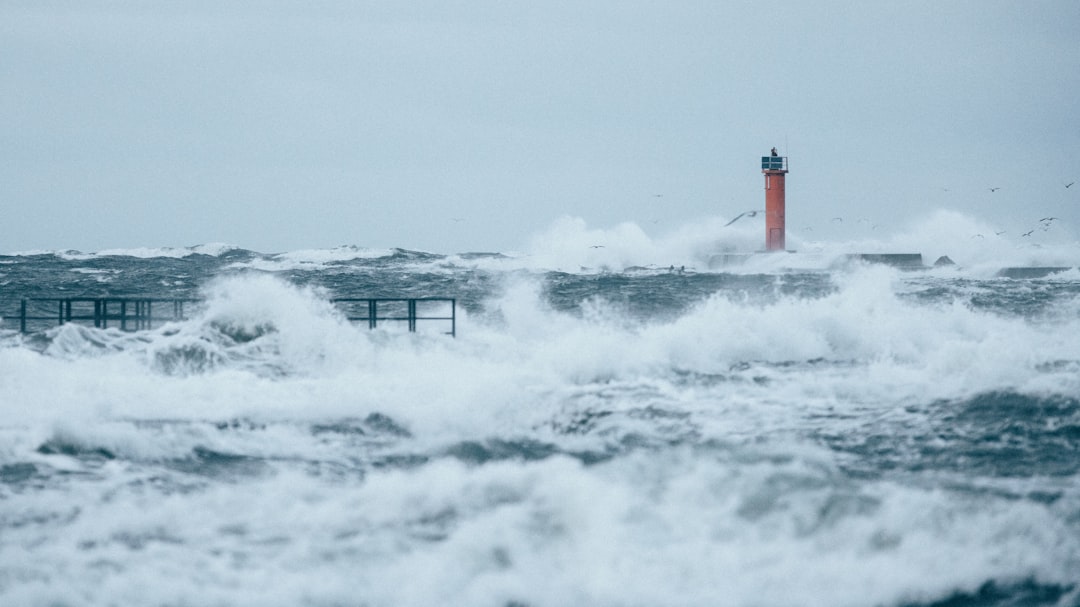
Understanding Flash Flood Warnings: What You Need to Know
Flash floods are among the most dangerous weather events that can occur in the United States, often occurring with little warning and causing rapid inundation of areas that may not typically experience flooding. In light of recent trends, it is crucial for residents to understand what flash flood warnings mean and how to respond effectively.
What is a Flash Flood Warning?
A flash flood warning is an alert issued by the National Weather Service (NWS) to indicate that flash flooding is either occurring or imminent in a specific area. These warnings are issued when meteorological conditions exist that would likely lead to rapidly rising waters, often within six hours of heavy rainfall or other significant weather events.
How Are Flash Flood Warnings Issued?
Flash flood warnings are typically issued based on a combination of radar data, weather models, and ground reports. Meteorologists analyze rainfall rates, soil saturation levels, watershed conditions, and reservoir levels to determine if conditions are ripe for flash flooding.
Understanding the Different Types of Flood Alerts
The National Weather Service issues three main types of flood alerts:
- Flood Watch: Conditions are favorable for flooding.
- Flood Warning: Flooding is either occurring or imminent.
- Flash Flood Warning: Life-threatening flash flooding is occurring or will occur shortly.
Understanding these distinctions can prepare individuals and communities for the potential impacts of flooding.
Why Have Flash Flood Warnings Become Trendy?
There has been a noticeable uptick in the frequency and intensity of flash flood warnings across the United States due to a combination of climate change and urbanization. Heavier rainfall events are becoming more common, and as urban areas continue to expand, the risk of flooding increases due to the prevalence of impermeable surfaces.
What Should You Do When a Flash Flood Warning is Issued?
When a flash flood warning is issued, it is essential to remain calm and take immediate action:
- Move to Higher Ground: If you are in a low-lying area or near bodies of water, immediately seek higher ground.
- Avoid Flooded Areas: Do not attempt to drive or walk through flooded roads or paths. Just six inches of water can sweep an adult off their feet.
- Stay Informed: Continuously monitor local news or the NWS for updates and additional warnings.
- Emergency Preparedness: Have an emergency kit ready that includes food, water, medications, and important documents.
Preparing for Flash Floods Ahead of Time
Preparation is essential to increase safety during flash flood events. Here are some tips:
- Know your area’s flood risk level.
- Create a family emergency plan.
- Sign up for local alerts and warnings.
- Consider flood insurance if you live in a flood-prone area.
Conclusion
In summary, understanding flash flood warnings is critical for personal safety and community preparedness. The trend of increasing flash flood occurrences underscores the need for individuals to stay informed and prepared. By recognizing the importance of these warnings and taking proactive measures, you can better protect yourself and your loved ones during these unpredictable weather events.
Read Also:
Timberwolves vs 76ers: An Exciting NBA Showdown
Source:
Google Trends
{“@context”:”https://schema.org”,”@type”:”FAQPage”,”mainEntity”:[{“@type”:”Question”,”name”:”What causes flash floods?”,”acceptedAnswer”:{“@type”:”Answer”,”text”:”Flash floods are often caused by intense rainfall over a short period, rapid snowmelt, or dam failure, leading to sudden and swift water rises.”}},{“@type”:”Question”,”name”:”How can I stay safe during a flash flood?”,”acceptedAnswer”:{“@type”:”Answer”,”text”:”To stay safe during a flash flood, move to higher ground, avoid flooded areas, and stay informed through local news and weather updates.”}}]}