



The Rise of Iron Beams in Construction: A Trend to Watch in the United States
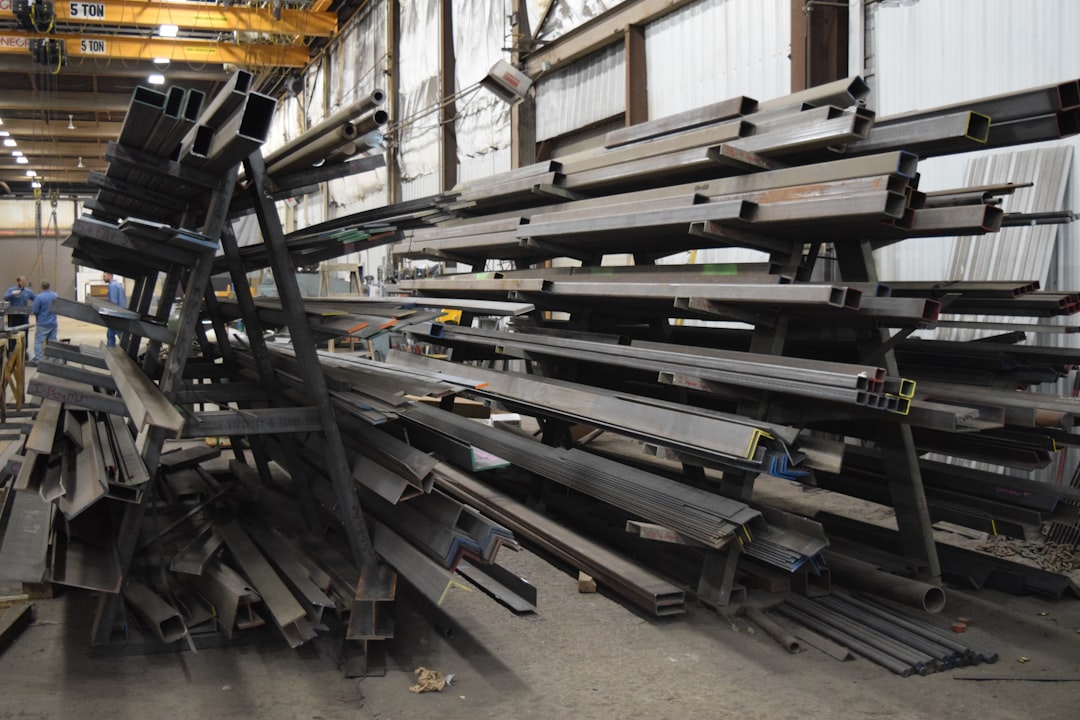
Understanding the Trend of Iron Beams in the U.S. Construction Industry
In recent years, the use of iron beams in construction projects across the United States has surged significantly. This trend reflects an evolution in building materials that prioritize efficiency, strength, and sustainability. In this article, we delve into the advantages of using iron beams, the sectors benefiting from this trend, and what it means for the future of construction.
What are Iron Beams?
Iron beams, typically made from wrought or cast iron, are strong structural components used to support buildings and various infrastructures. They are favored for their impressive load-bearing capabilities and durability. As a result, they are essential in constructing skyscrapers, bridges, and industrial buildings.
Why Iron Beams are Trending Now
Several factors contribute to the rising popularity of iron beams:
- Strength and Durability: Iron beams provide exceptional sturdiness, thereby increasing the structural integrity of buildings and reducing long-term repair costs.
- Cost-Effective: Although the initial investment may be higher than other materials, the longevity and low maintenance requirements of iron ultimately save money in the long run.
- Sustainability: With a growing emphasis on environmentally friendly practices, iron can be recycled and repurposed, contributing to sustainable construction.
- Design Flexibility: Iron beams offer versatile design options, allowing architects to create innovative designs that would be challenging with other materials.
Industries Benefiting from Iron Beams
Various industries have embraced the use of iron beams, including:
- Commercial Construction: From office buildings to retail spaces, iron beams are instrumental in creating large, open spaces without compromising safety.
- Infrastructure Projects: Roadways, bridges, and tunnels benefit from the strength of iron beams, ensuring they can withstand both environmental stresses and heavy traffic loads.
- Industrial Manufacturing: Many factories utilize iron beams in their construction to support heavy machinery and equipment.
The Future of Iron Beams in U.S. Construction
As the demand for iron beams continues to grow, we can expect technological advancements to enhance their performance and efficiency. New coatings and treatments may improve corrosion resistance, making iron beams even more effective in diverse environmental conditions.
Furthermore, with the increased focus on sustainable practices, the use of recycled iron in beams could become more prevalent, benefiting the environment and reducing the carbon footprint of construction projects.
Challenges to Consider
While the benefits of iron beams are numerous, some challenges exist. These include the need for skilled labor to handle iron materials, potential labor costs, and concerns related to rust if not adequately treated. However, ongoing research and developments aim to address these issues.
Conclusion
The trend of using iron beams in construction is undoubtedly on the rise in the United States. As industries prioritize strength, sustainability, and cost-effectiveness, iron beams are proving to be an invaluable material for modern infrastructure. Whether you’re a contractor, architect, or simply interested in construction trends, keeping an eye on the evolution of iron beams will be essential.
Read Also:
Gulf Nations on the Rise: Understanding Their Growing Influence in the United States
Source:
Google Trends
{“@context”:”https://schema.org”,”@type”:”FAQPage”,”mainEntity”:[{“@type”:”Question”,”name”:”What are the advantages of using iron beams in construction?”,”acceptedAnswer”:{“@type”:”Answer”,”text”:”Iron beams provide exceptional strength and durability, are cost-effective in the long run, and offer flexibility in design and sustainable options.”}},{“@type”:”Question”,”name”:”In what sectors are iron beams most commonly used?”,”acceptedAnswer”:{“@type”:”Answer”,”text”:”Iron beams are commonly used in commercial construction, infrastructure projects, and industrial manufacturing environments.”}}]}