


Understanding Weather Storms: Tornadoes and Their Impact in the United States
Understanding Weather Storms: Tornadoes and Their Impact in the United States
Weather storms, particularly tornadoes, have become increasingly relevant as the climate continues to change. In the United States, tornadoes are a common and often devastating phenomenon that can occur throughout the year, particularly in specific states known as “Tornado Alley.” This blog post will explore the nature of tornado storms, their formation, and how to stay safe during these severe weather events.
What Causes Tornadoes?
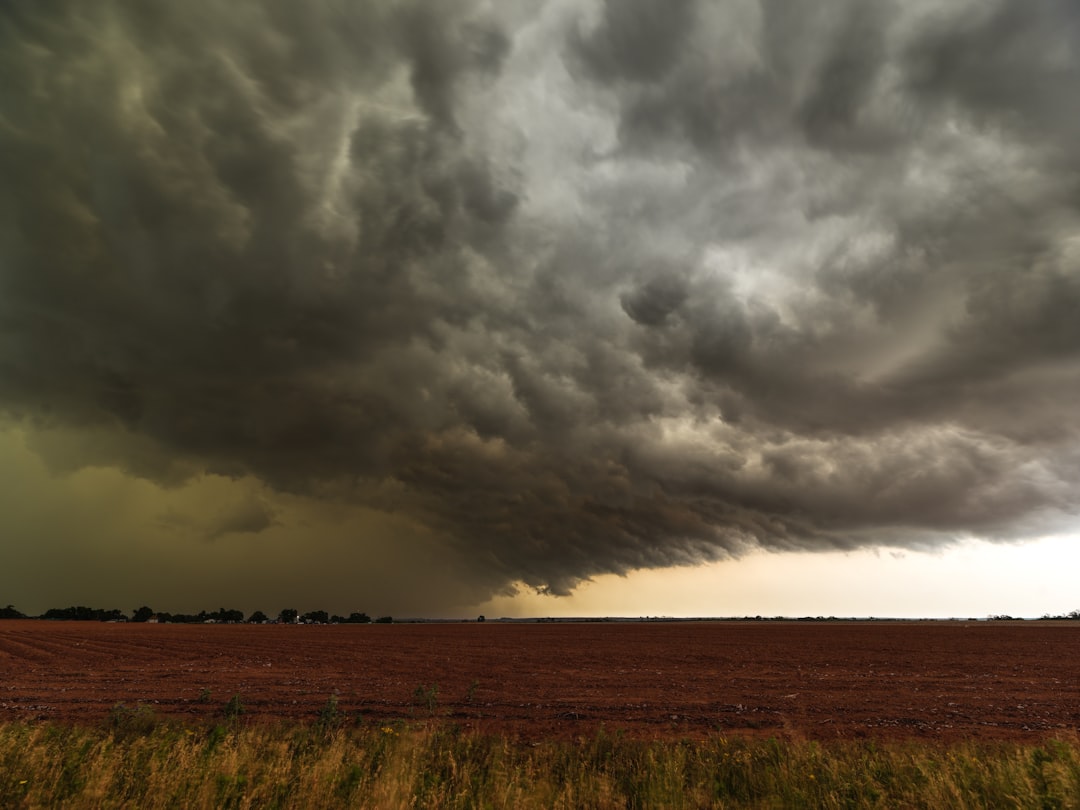
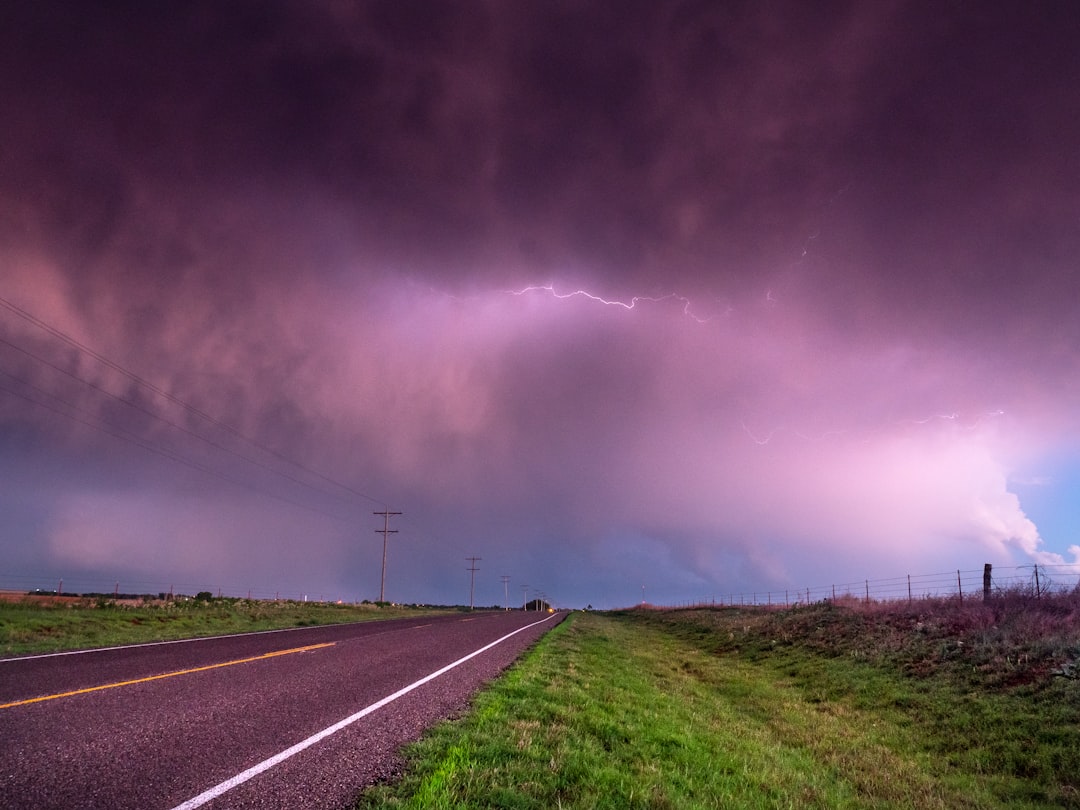
Tornadoes form from severe thunderstorms and are characterized by a violently rotating column of air that is in contact with both the cloud base and the ground. The conditions needed for tornado formation include a combination of moisture, instability in the atmosphere, and wind shear, which is the change of wind speed and direction at different altitudes. When these elements come together, they can create supercell thunderstorms that may spawn tornadoes.
Regions Most Affected by Tornadoes
In the United States, tornadoes occur most frequently in the central part of the country, an area informally known as “Tornado Alley.” This region includes states like Texas, Oklahoma, Kansas, Nebraska, and South Dakota. However, tornadoes can occur in almost any state, and they often wreak havoc wherever they strike.
The Impact of Tornadoes: Damage and Safety Precautions
The destruction caused by tornadoes can be catastrophic, leading to loss of life, injuries, and extensive property damage. The Enhanced Fujita Scale categorizes tornadoes from EF0 to EF5 based on their wind speeds and the damage they cause; EF5 tornadoes can have winds exceeding 200 mph and can level strong buildings. Understanding tornado safety methods is crucial for minimizing risks during such events. Here are some tips:
- Stay Informed: Monitor weather reports through local news and weather apps. Keep an eye on tornado watches and warnings.
- Prepare a Safety Kit: Create an emergency kit with essential supplies like food, water, a flashlight, and a first aid kit.
- Know Your Shelter Options: Identify the safest place in your home, ideally a basement or an interior room on the lowest floor away from windows.
Tornado Forecasting and Preparedness Strategies
Advancements in meteorology have significantly improved tornado forecasting. Doppler radar technology can detect rotation in thunderstorms, allowing for earlier warnings. The National Weather Service (NWS) also collaborates with local agencies to disseminate information regarding potential tornado activity.
Preparation is key. Communities should develop emergency response plans, conduct tornado drills at schools and workplaces, and engage in public education about the risks of tornadoes and safe practices.
Conclusion
Tornadoes represent a significant risk in the United States, with their potential for destruction starkly visible in the wake of a storm. By understanding how tornadoes form, being aware of the regions most affected, and taking safety precautions seriously, individuals can better prepare themselves for these severe weather events. Stay informed, stay safe, and work together to build resilient communities in the face of nature’s fury.
Read Also:
Katarzyna Kawa: Rising Star in American Tennis
Source:
Google Trends
{“@context”:”https://schema.org”,”@type”:”FAQPage”,”mainEntity”:[{“@type”:”Question”,”name”:”What is a tornado?”,”acceptedAnswer”:{“@type”:”Answer”,”text”:”A tornado is a violently rotating column of air that extends from a thunderstorm to the ground, capable of causing significant damage.”}},{“@type”:”Question”,”name”:”How can I prepare for a tornado?”,”acceptedAnswer”:{“@type”:”Answer”,”text”:”Prepare by staying informed about weather alerts, creating an emergency kit, and identifying safe shelter locations in your home.”}}]}