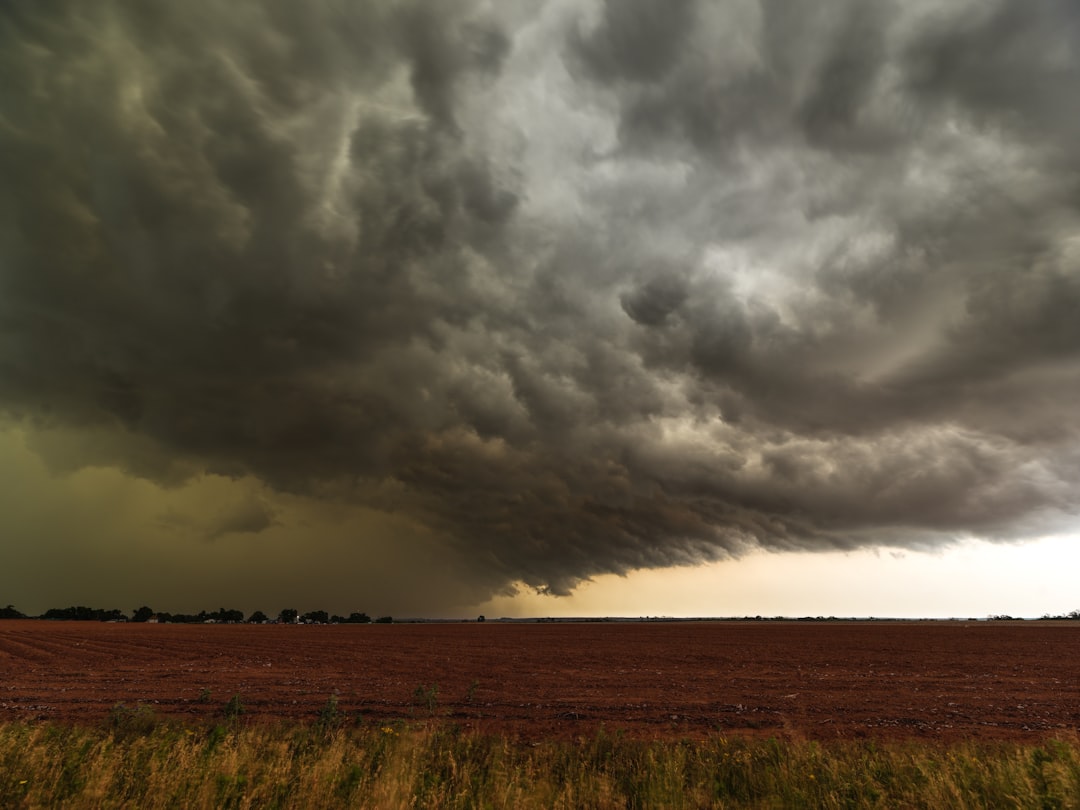



Madison Weather: A Comprehensive Guide to Climate Trends and Tips

Madison Weather: A Comprehensive Guide to Climate Trends and Tips
As Madison, Wisconsin, continues to capture the attention of residents and newcomers alike, understanding its unique weather patterns is essential. Whether you’re planning a visit or looking to relocate, knowing what to expect from Madison weather can help you make informed decisions regarding your activities, wardrobe, and more. In this guide, we will explore the seasonal trends, average temperatures, and weather-related tips to ensure you’re always prepared.
Seasonal Trends in Madison
Madison experiences four distinct seasons, each bringing its own charm and challenges. Knowing these seasonal trends can help you plan your year effectively.
Spring (March to May)
Spring in Madison is a time of transformation. As temperatures begin to rise, you can expect average highs ranging from the mid-40s in March to the upper 60s in May. However, be prepared for unpredictable weather; rain showers are common in April, with occasional thunderstorms and even late-season snow in March.
Summer (June to August)
Summer is a vibrant time in Madison, with average temperatures peaking in the 80s. This is the ideal season for outdoor activities like visiting the local farmers’ markets, enjoying picnics at one of the many parks, or attending music festivals. However, humidity can make it feel warmer, so staying hydrated and protecting yourself from the sun is crucial.
Fall (September to November)
As summer fades, Madison’s fall showcases stunning foliage. September temperatures start in the high 70s and gradually decrease to the upper 40s by November. The crisp air and colorful landscapes make this an excellent season for hiking and outdoor photography.
Winter (December to February)
Winters in Madison can be cold, with average low temperatures dipping into the single digits. Snow is common, especially in January and February. If you enjoy winter sports, this is the perfect season to embrace activities like skiing, snowshoeing, or ice skating on local rinks.
Understanding Madison’s Microclimates
Madison’s weather can also vary significantly depending on where you are in the city. The presence of nearby lakes and parks can create microclimates, influencing temperature and precipitation. Be sure to check localized forecasts to get the most accurate weather reports.
Tips for Dealing with Madison Weather
Here are some tips to help you navigate Madison’s weather, regardless of the season:
- Dress in Layers: Given the fluctuating temperatures, especially in spring and fall, layering your clothing is essential. This way, you can easily adjust to changing conditions.
- Stay Updated: Regularly check weather apps or local forecasts to stay informed about any sudden weather changes, especially during the transitional seasons.
- Plan for Snowy Days: In winter, keep an emergency kit in your car, including blankets, snacks, and a shovel, in case of heavy snow.
- Enjoy the Outdoors: Take full advantage of the warmer months by exploring the outdoors. Join community events, and partake in seasonal activities.
Conclusion
Madison’s weather has its ups and downs, but with the right knowledge and preparation, you can enjoy everything this beautiful city has to offer, regardless of the season. Embrace the unique climate and get ready to explore all that Madison, Wisconsin, has in store.
Read Also:
Your Ultimate Guide to the 2023 NBA Schedule
Source:
Google Trends
{“@context”:”https://schema.org”,”@type”:”FAQPage”,”mainEntity”:[{“@type”:”Question”,”name”:”What is the best time to visit Madison?”,”acceptedAnswer”:{“@type”:”Answer”,”text”:”The best time to visit Madison is during the late spring (May) and early fall (September) when the weather is pleasantly warm and the city hosts various outdoor festivals.”}},{“@type”:”Question”,”name”:”Is Madison prone to severe weather?”,”acceptedAnswer”:{“@type”:”Answer”,”text”:”Yes, Madison can experience severe weather, particularly during spring and summer, including thunderstorms and tornadoes. Stay updated with local weather alerts.”}}]}