



The Ultimate Guide to Understanding Dallas Weather
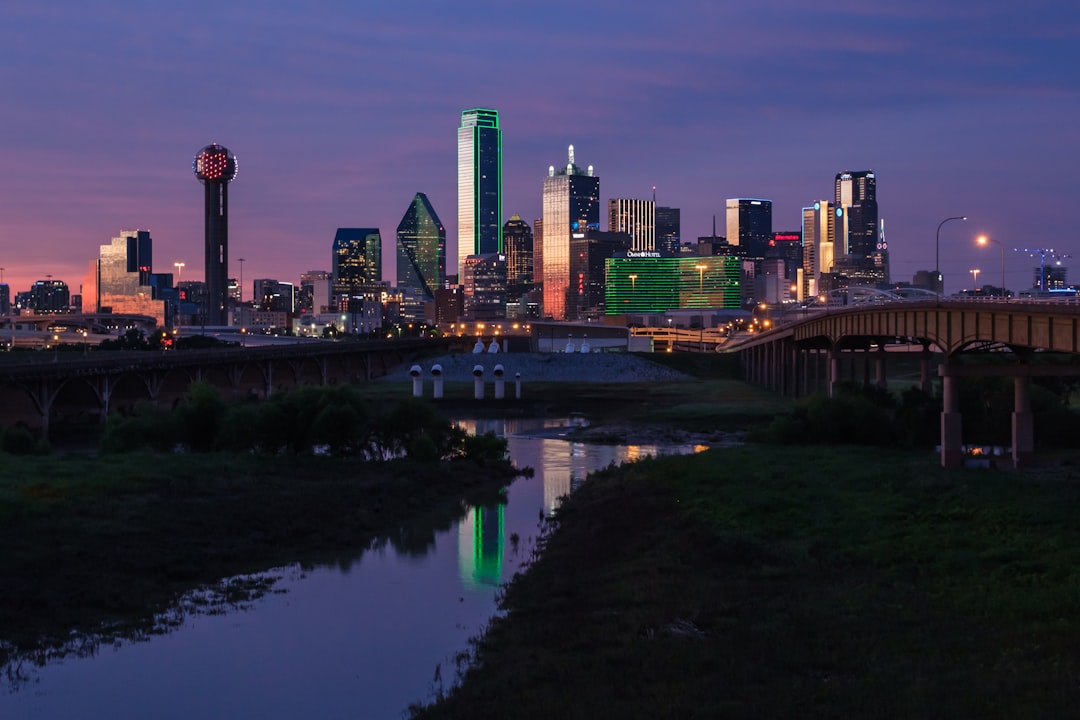
Understanding Dallas Weather: A Comprehensive Guide
Dallas, known for its vibrant culture and rich history, also boasts a diverse climate that can impact both residents and visitors. In this post, we dive deep into the intricacies of Dallas weather, helping you prepare for whatever Mother Nature has in store.
Overview of Dallas’ Climate
The city of Dallas experiences a humid subtropical climate, characterized by hot summers and mild winters. Understanding the different seasons can help you plan your activities accordingly.
Summer in Dallas
Summer months (June to August) in Dallas can be quite intense, often reaching temperatures above 95°F. Humidity can make it feel even hotter, so it’s essential to stay hydrated and seek shade when necessary. However, summer is also a time for outdoor events, concerts, and festivals.
Fall Weather Patterns
As autumn approaches (September to November), temperatures soften, making it one of the best times to visit Dallas. Daytime temperatures range from the mid-70s to low 80s°F, with cool evenings perfect for enjoying outdoor gatherings.
Winter in Dallas
Winter typically lasts from December to February, bringing cooler temperatures that can dip to the low 30s°F. However, snowfall is rare, making the winter milder compared to many other U.S. cities. Occasional cold fronts can lead to icy conditions, but generally, the winter months remain relatively dry and sunny.
Spring Showers
Spring (March to May) in Dallas sees a boost in rainfall, with an increased chance of thunderstorms. This season is known for its beautiful blooming landscapes, making it a wonderful time for outdoor activities, although it’s crucial to stay updated on weather alerts during stormy days.
Weather Trends in Dallas
In recent years, Dallas has experienced fluctuations in weather patterns due to climate change. From hotter summers to more intense storms, these changes can affect daily life and long-term planning.
Temperature Trends
Data shows that average temperatures in Dallas have been on the rise. This trend emphasizes the importance of adapting to new weather realities, including preparing for extreme heat during the summer months.
Precipitation Changes
Though Dallas typically experiences a low to moderate amount of annual rainfall, recent years have shown unpredictable precipitation patterns. Understanding these trends is vital for planning outdoor events and mitigating the impact of potential flooding.
Preparing for Dallas Weather
Knowing what to expect from Dallas’ weather can enhance your experience in the city. Here are some tips on how to prepare:
- Stay Hydrated: During the summer, drink plenty of water and keep cool.
- Check Weather Forecasts: Regularly check dependable sources for rain and storm updates.
- Dress Appropriately: Layer clothing during transitional seasons to adapt to changing temperatures.
- Plan Indoor Activities: In case of extreme heat or rain, have backup plans for indoor entertainment.
Conclusion
Dallas weather offers a unique experience that varies significantly throughout the year. By understanding these patterns and trends, you can better enjoy all that this vibrant city has to offer, no matter the season.
Read Also:
Understanding WWLP Closings: Trends and Impact in the United States
Source:
Google Trends
{“@context”:”https://schema.org”,”@type”:”FAQPage”,”mainEntity”:[{“@type”:”Question”,”name”:”What is the best time to visit Dallas?”,”acceptedAnswer”:{“@type”:”Answer”,”text”:”The best time to visit Dallas is in the fall (September to November) when temperatures are mild and pleasant for outdoor activities.”}},{“@type”:”Question”,”name”:”Does it snow in Dallas?”,”acceptedAnswer”:{“@type”:”Answer”,”text”:”Snow is rare in Dallas, but it can occur occasionally during winter months, typically resulting in light dustings rather than heavy snowfall.”}}]}