


Understanding Chicago Weather: What to Expect Throughout the Year
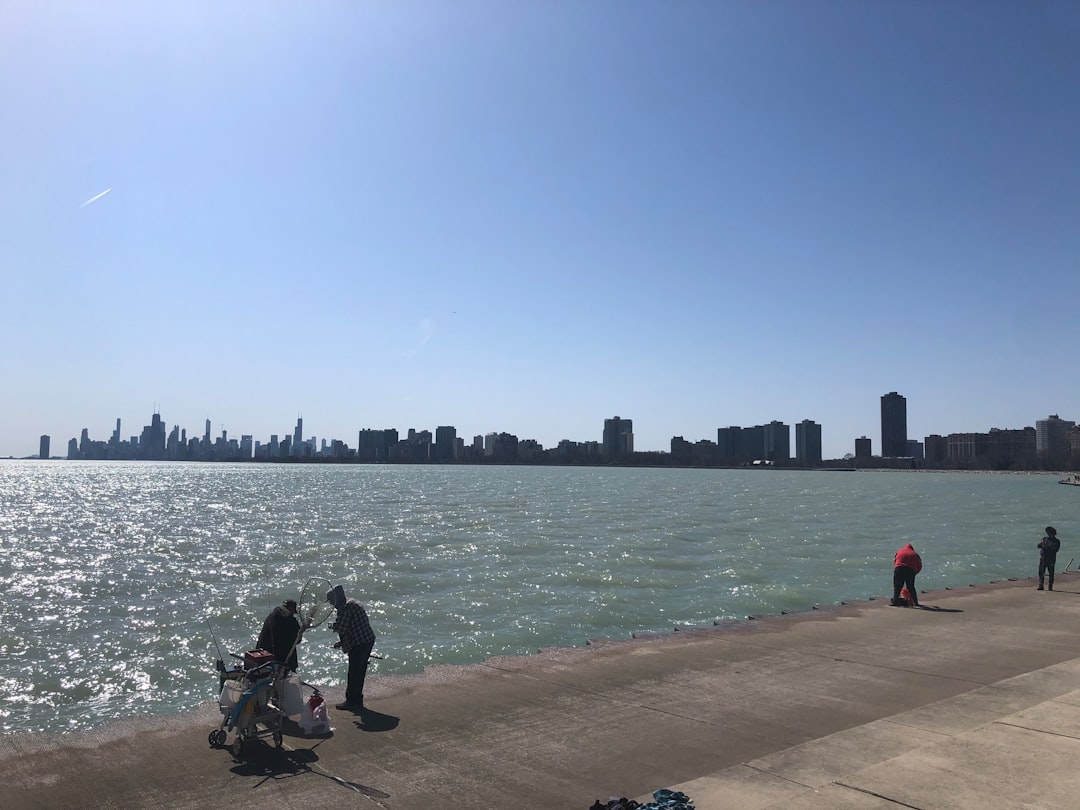
Chicago Weather: An In-Depth Look
Chicago, known for its stunning architecture and vibrant culture, is also famous for its unpredictable weather. Whether you’re a local or a visitor, understanding Chicago weather patterns can enhance your experience in the Windy City. In this article, we’ll explore the seasonal changes, average temperatures, and tips to help you navigate Chicago’s unique climate.
Spring in Chicago
Spring in Chicago generally spans from March to May. During these months, temperatures gradually rise, with averages ranging from 40°F (4°C) in early March to around 70°F (21°C) by the end of May. While this season brings blooming flowers and outdoor festivals, it can also present chilly and windy days. Visitors should be prepared for sudden temperature shifts and the possibility of rain. Layering clothing is advisable.
Summer in Chicago
Summer (June to August) in Chicago is typically warm and humid, with average temperatures around 80°F (27°C) but often reaching the 90s (32°C) during peak heatwaves. The city comes alive with various outdoor activities, festivals, and events in Millennium Park and along the lakefront. Be prepared for thunderstorms and frequent humidity. Staying hydrated and protecting yourself from the sun is crucial.
Fall in Chicago
Fall (September to November) showcases beautiful foliage in Chicago parks and neighborhoods. Temperatures start warm in September, around 70°F (21°C), but drop significantly to around 40°F (4°C) by November. This season is favored by many for its crisp air and stunning views. However, be aware of the unpredictable weather; dressing in layers is a useful strategy during this transitional period.
Winter in Chicago
Chicago winters (December to February) are infamous for their extreme cold and heavy snowfall. Average temperatures can plummet to around 20°F (-6°C), with wind chills making it feel even colder. Snowstorms are common, and the city transforms into a winter wonderland. Proper winter gear, including insulated jackets, hats, and gloves, is essential for anyone braving the cold.
Weather Trends and Their Impact
The weather in Chicago has shown some disturbing trends in recent years, including hotter summers and erratic precipitation patterns. Climate change is becoming an important factor to consider. These shifts not only affect residents but also the tourism sector that relies on stable weather patterns. Events may be canceled due to unexpected weather, so it’s advisable to check forecasts before planning any outings.
Practical Tips for Navigating Chicago Weather
- Check the Forecast: Always monitor weather forecasts before heading out, especially during spring and fall when conditions can change rapidly.
- Dress Appropriately: With the city’s fluctuating temperatures, it’s vital to dress in layers, making it easy to adjust based on the weather.
- Plan Indoor Activities: When severe weather hits, have indoor options lined up, like visits to museums, shopping districts, or dining experiences.
- Stay Hydrated: In summer months, keep hydrated and carry water as the humidity can make you feel even more exhausted.
Conclusion
Understanding Chicago weather can significantly improve your experience in this dynamic city. Regardless of the season, being prepared can help you enjoy all the unique offerings of Chicago, from its bustling streets to its serene lakeside views.
Read Also:
Understanding Dow Futures: Trends and Insights for Investors
Source:
Google Trends
{“@context”:”https://schema.org”,”@type”:”FAQPage”,”mainEntity”:[{“@type”:”Question”,”name”:”What is the average temperature in Chicago during summer?”,”acceptedAnswer”:{“@type”:”Answer”,”text”:”The average summer temperature in Chicago is around 80u00b0F (27u00b0C), but it can often reach the 90s (32u00b0C) during heat waves.”}},{“@type”:”Question”,”name”:”How cold does it get in Chicago during winter?”,”acceptedAnswer”:{“@type”:”Answer”,”text”:”During winter, temperatures in Chicago can drop to around 20u00b0F (-6u00b0C), with wind chills making it feel even colder.”}}]}