



Understanding Snowsquall Warnings and Their Impact in the United States
What is a Snowsquall Warning?
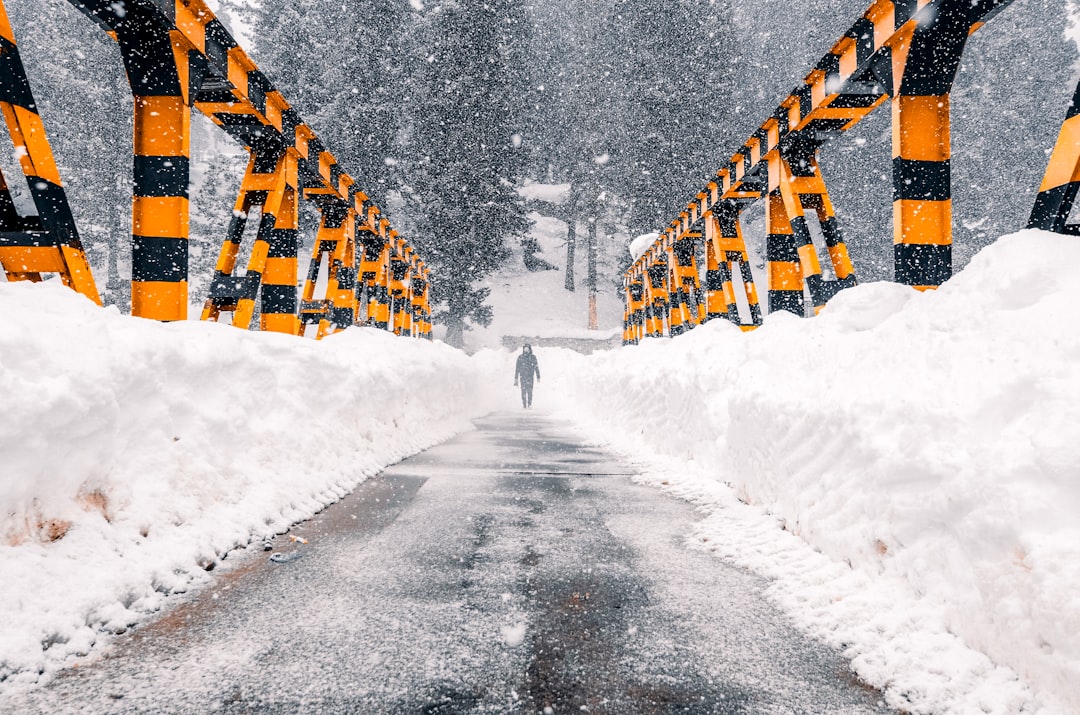
A snowsquall warning is a crucial weather alert issued by the National Weather Service (NWS) in the United States. It indicates sudden and intense snowfall that typically leads to significantly reduced visibility and hazardous travel conditions. A snowsquall can develop rapidly, catching many off guard, making it essential for individuals to stay informed.
Why Snowsquall Warnings are Important
Understanding snowsquall warnings can save lives and prevent accidents. With sudden bursts of snow, drivers may face whiteout conditions that can lead to accidents. These warnings help alert people to the imminent hazard so they can take appropriate measures, whether it is altering travel plans or seeking shelter.
How Are Snowsquall Warnings Issued?
The NWS utilizes advanced radar technology to detect conditions conducive to snowsqualls. When heavy snow is forecasted to occur with little warning, the service issues alerts to help the public prepare. Alerts can be found on the NWS website, local news outlets, and weather apps.
When Are Snowsquall Warnings Most Common?
Snowsqualls are most prevalent during the winter months, particularly in regions prone to severe winter weather, such as the Northeast and Midwest U.S. These sudden snow events can occur any time during the day or night, often following the passage of a cold front. Meteorologists keep an eye on fast-moving storm systems that can produce these squalls.
Tips for Staying Safe During a Snowsquall
1. **Stay Informed:** Regularly check the weather via trusted sources. Sign up for weather alerts on your mobile device.
2. **Limit Travel:** If a snowsquall warning is issued, reconsider any travel plans. The risks of driving in poor visibility can lead to serious accidents.
3. **Prepare Your Vehicle:** Make sure your vehicle is winter-ready. Equip it with snow tires, a full tank of gas, and an emergency kit.
4. **Be Cautious Outdoors:** If you must be outside during a snowsquall, be aware of your surroundings. Strong winds and low visibility can disorient you quickly.
Recent Trends and Statistics
As climate patterns shift, studies indicate an upward trend in the frequency of severe winter weather events, including snowsqualls. According to NOAA, many areas in the U.S. are experiencing more significant fluctuations in winter conditions, contributing to greater awareness and an increase in snowsquall warnings each year.
FAQs About Snowsquall Warnings
What should I do if I am caught in a snowsquall?
If you find yourself in a snowsquall, pull over safely to the side of the road, turn off your lights, and stay in your vehicle until conditions improve. Activate your hazard lights to alert other drivers.
How long do snowsqualls typically last?
Snowsqualls are brief but intense; they can last anywhere from a few minutes to an hour, but the accompanying hazardous conditions can develop very quickly.
Conclusion
In summary, snowsquall warnings are essential for public safety during winter storm conditions. By remaining vigilant and prepared, individuals can effectively respond to these warnings, ensuring their safety and the safety of others on the road. Stay safe this winter and keep an eye out for snowsquall alerts!
Read Also:
Pittsburgh Steelers: A Legacy of Excellence in the NFL
Source:
Google Trends
{“@context”:”https://schema.org”,”@type”:”FAQPage”,”mainEntity”:[{“@type”:”Question”,”name”:”What should I do if I am caught in a snowsquall?”,”acceptedAnswer”:{“@type”:”Answer”,”text”:”If you find yourself in a snowsquall, pull over safely to the side of the road, turn off your lights, and stay in your vehicle until conditions improve. Activate your hazard lights to alert other drivers.”}},{“@type”:”Question”,”name”:”How long do snowsqualls typically last?”,”acceptedAnswer”:{“@type”:”Answer”,”text”:”Snowsqualls are brief but intense; they can last anywhere from a few minutes to an hour, but the accompanying hazardous conditions can develop very quickly.”}}]}