


The Ultimate Guide to Orlando Weather: What to Expect Year-Round

Orlando Weather: A Comprehensive Overview
Orlando, Florida, known for its world-class theme parks and vibrant entertainment, experiences a subtropical climate that draws millions of visitors each year. This article will provide you with an in-depth look at Orlando weather throughout the seasons, important tips for travelers, and how the climate impacts your vacation plans.
Understanding Orlando’s Climate
Orlando’s climate is categorized as humid subtropical, which means the city enjoys hot summers and mild winters. Temperatures can range significantly between seasons, making it essential for visitors to plan accordingly.
Seasonal Breakdown of Orlando Weather
Spring (March to May)
Springtime in Orlando is pleasantly warm, with average temperatures ranging from the mid-60s to low 80s Fahrenheit. Rainfall starts to increase in May, making it a pivotal month for garden growth. Visitors in spring can expect lots of sunny days, but it’s advisable to carry an umbrella just in case!
Summer (June to August)
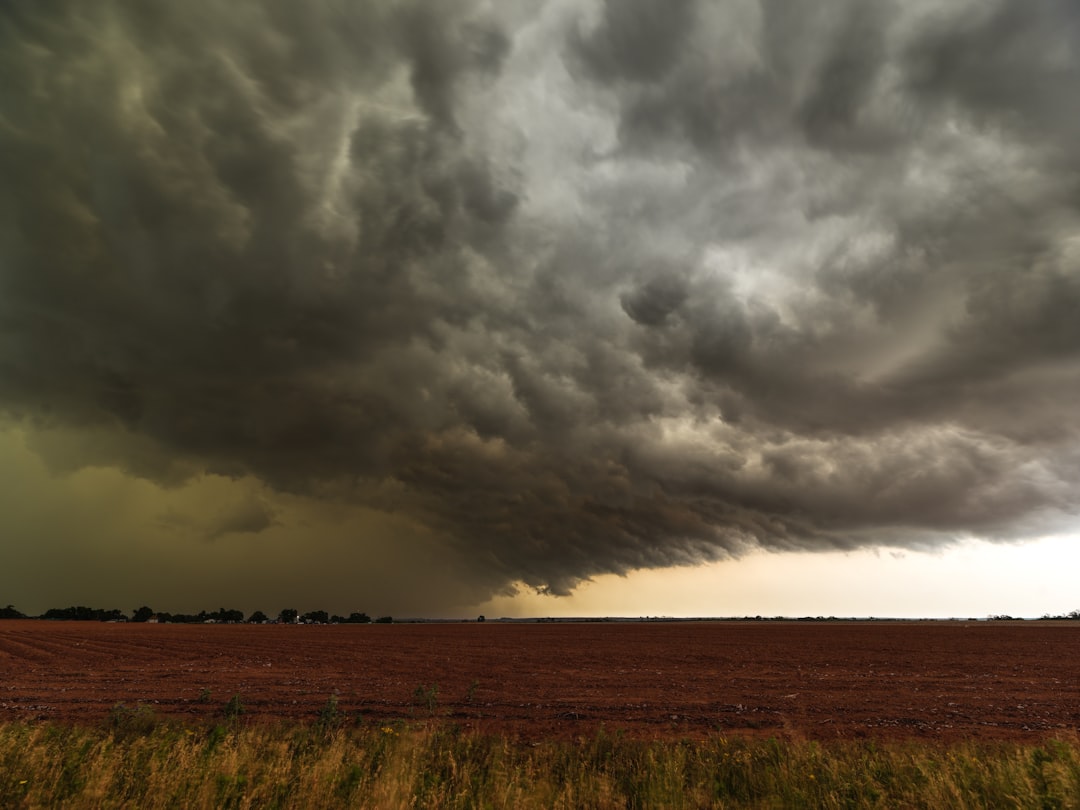
Summer in Orlando is characterized by hot and humid conditions. Highs frequently reach the upper 90s, and afternoon thunderstorms are common. Despite the heat, summer remains one of the peak seasons for tourism. If you plan to visit during this time, make sure to stay hydrated and take breaks from the sun.
Fall (September to November)
Fall offers a reprieve from the summer heat, with temperatures gradually cooling down. September still retains summer-like warmth, but by October and November, daytime highs average in the mid-70s to low 80s. This period also marks the end of hurricane season, which usually allows for less rain and more sunshine.
Winter (December to February)
Winter in Orlando is mild and pleasant, making it a fabulous time for outdoor activities. Temperatures range from the low 50s to mid-70s. While this season sees fewer tourists than summer and spring, holiday festivities attract visitors looking to enjoy unique events, such as Christmas celebrations at theme parks.
Tips for Coping with Orlando Weather
- Stay Hydrated: Especially during summer, drink plenty of water to prevent dehydration.
- Dress Accordingly: Wear light, breathable clothing during the hotter months. In winter, layers are key since nights can be cooler.
- Check the Forecast: Keep an eye on weather forecasts, especially in summer when thunderstorms can occur.
- Plan Indoor Activities: During the wet season, have alternate plans for indoor fun, such as museums or shopping.
Conclusion
Understanding the weather in Orlando can greatly enhance your travel experience. Whether you’re visiting during the bustling summer months or the pleasantly mild winter, being prepared for Orlando’s diverse climate will ensure a comfortable and enjoyable vacation. No matter the season, Orlando’s unique attractions and beautiful parks await you!
Read Also:
Everything You Need to Know About Memphis Weather: A Seasonal Guide
Source:
Google Trends
{“@context”:”https://schema.org”,”@type”:”FAQPage”,”mainEntity”:[{“@type”:”Question”,”name”:”What is the best time to visit Orlando?”,”acceptedAnswer”:{“@type”:”Answer”,”text”:”The best time to visit Orlando is during the fall (September to November) when the temperatures are milder and crowd sizes are manageable.”}},{“@type”:”Question”,”name”:”Does it rain often in Orlando?”,”acceptedAnswer”:{“@type”:”Answer”,”text”:”Orlando experiences regular rainfall, especially during the summer months, with thunderstorms common in the afternoons.”}},{“@type”:”Question”,”name”:”What are Orlando’s average temperatures?”,”acceptedAnswer”:{“@type”:”Answer”,”text”:”Average temperatures in Orlando vary from mid-60s in winter to highs in the upper 90s during summer.”}}]}