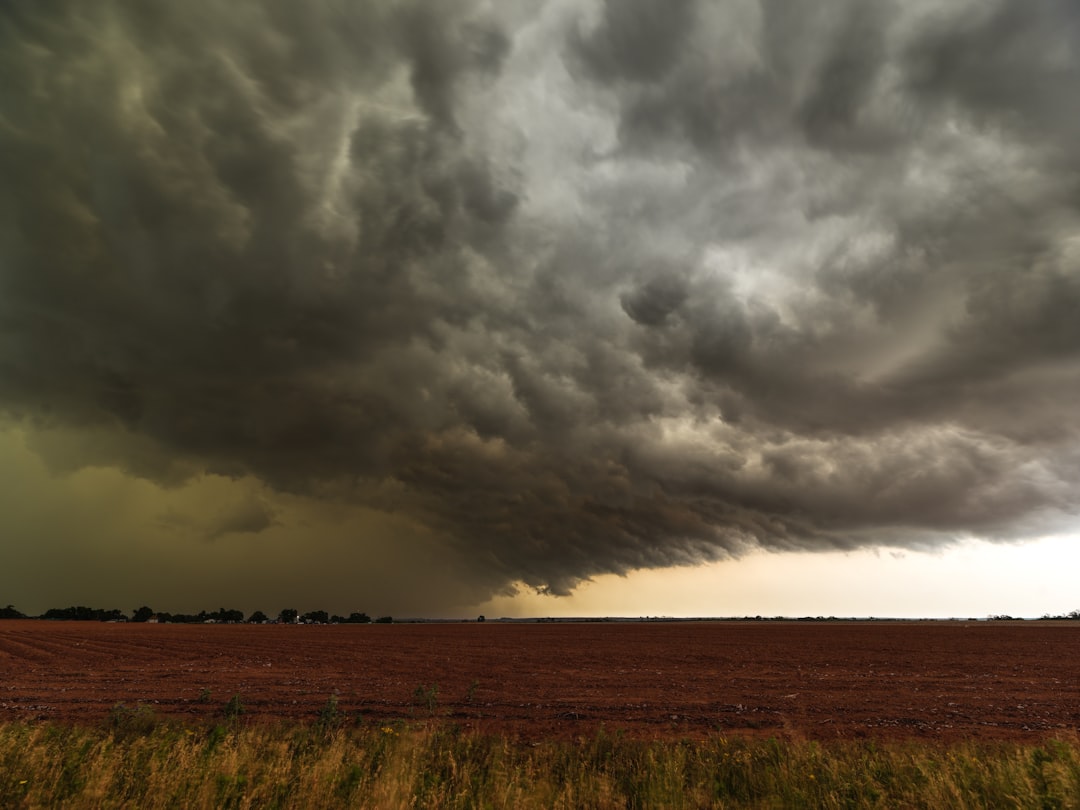



Understanding New Orleans Weather: A Comprehensive Guide for Visitors
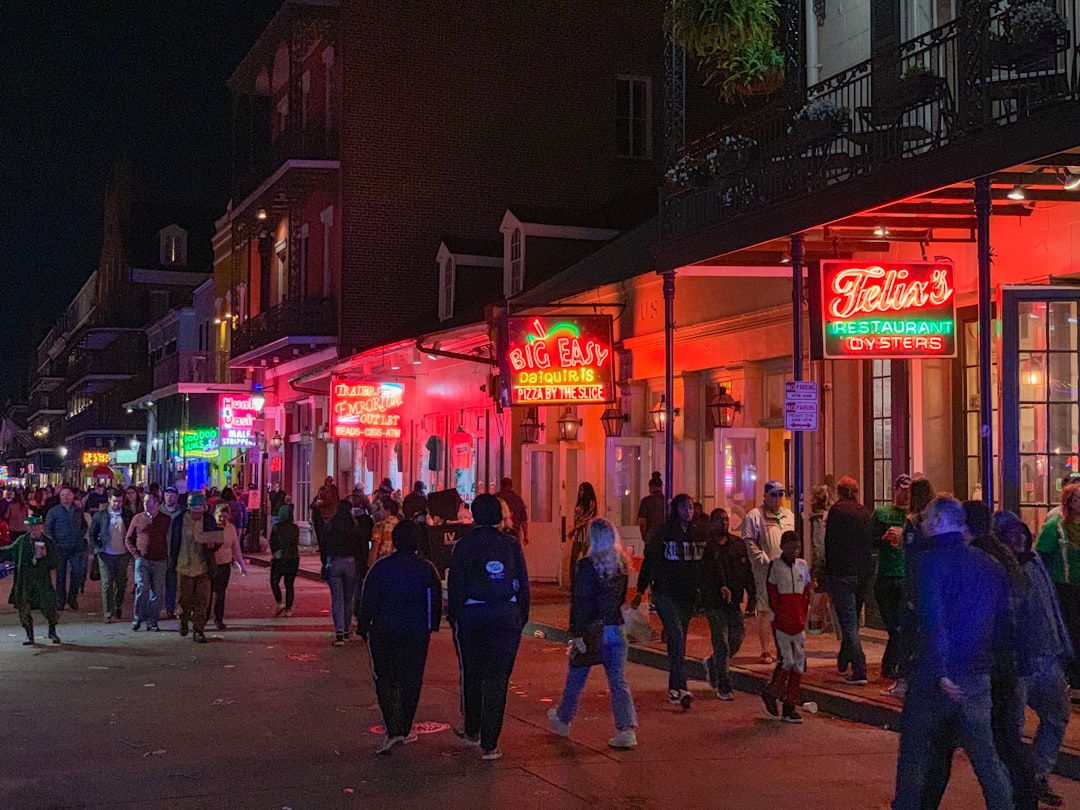
Exploring the Unique Weather of New Orleans
New Orleans, known for its vibrant culture, historic architecture, and lively music scene, also boasts a unique climate that can greatly influence your travel plans. Understanding New Orleans weather is essential for both tourists and locals alike.
The Climate Breakdown
New Orleans enjoys a humid subtropical climate, characterized by hot summers and mild winters. The city experiences plenty of rainfall, making it lush and green, but also requires residents and visitors to prepare accordingly.
Summer (June – August)
Summer in New Orleans can be quite intense, with average high temperatures ranging from the mid-80s to low 90s (°F). Humidity levels can make the heat feel even more oppressive, so visitors should stay hydrated and dress in light, breathable clothing. Thunderstorms are common in the afternoons, providing a brief respite from the heat.
Fall (September – November)
Autumn is one of the most pleasant times to visit New Orleans. Highs are generally in the 70s and 80s (°F), and the humidity begins to drop. This season is perfect for enjoying outdoor festivals and exploring the city’s beautiful parks.
Winter (December – February)
Winter in New Orleans is mild compared to many other cities. With average temperatures ranging from the high 40s to low 60s (°F), visitors can comfortably explore the city. While snow is a rare occurrence, it’s not uncommon to experience chilly winds. Layering is key during this season.
Spring (March – May)
Spring marks the return of warmer weather with temperatures climbing back into the 70s and 80s (°F). This season often features floral blooms and numerous festivals, such as the famous Mardi Gras, making it a vibrant time to visit.
Rainfall Patterns in New Orleans
New Orleans experiences a significant amount of rainfall throughout the year. The city gets about 62 inches of rain annually, with the heaviest rainfall occurring during the summer months. Visitors planning a trip should consider packing a waterproof jacket or umbrella, especially for summer afternoon storms.
Hurricane Season
Hurricane season technically runs from June 1 to November 30. While New Orleans has weathered many storms throughout its history, advances in forecasting have improved safety measures. If you’re visiting during this time, be sure to stay updated with local news for any advisories.
Preparing for Your Trip
Because New Orleans weather can change rapidly, packing appropriately is essential. Here are some tips:
- Layering is key: Weather can vary drastically throughout the day.
- Comfortable shoes: Be prepared to walk a lot as you explore the city.
- Sun protection: Wear sunscreen and a hat during the hotter months.
Conclusion
Understanding New Orleans weather can enhance your travel experience, allowing you to fully enjoy the rich culture and attractions this city has to offer. Whether you visit in the balmy summer or during the crisp winter, there’s always something magical waiting in New Orleans.
Read Also:
Understanding the Role of Pedestrian Accident Lawyers in the U.S.
Source:
Google Trends
{“@context”:”https://schema.org”,”@type”:”FAQPage”,”mainEntity”:[{“@type”:”Question”,”name”:”What is the best time to visit New Orleans?”,”acceptedAnswer”:{“@type”:”Answer”,”text”:”The best time to visit New Orleans is typically during the fall (September to November) or spring (March to May) when the weather is mild and pleasant.”}},{“@type”:”Question”,”name”:”Is New Orleans prone to hurricanes?”,”acceptedAnswer”:{“@type”:”Answer”,”text”:”Yes, New Orleans is located in a hurricane-prone area, with the hurricane season running from June 1 to November 30. Always check local forecasts if visiting during this time.”}}]}