


Northern Lights Aurora Borealis Forecast: What You Need to Know
Northern Lights Aurora Borealis Forecast: What You Need to Know
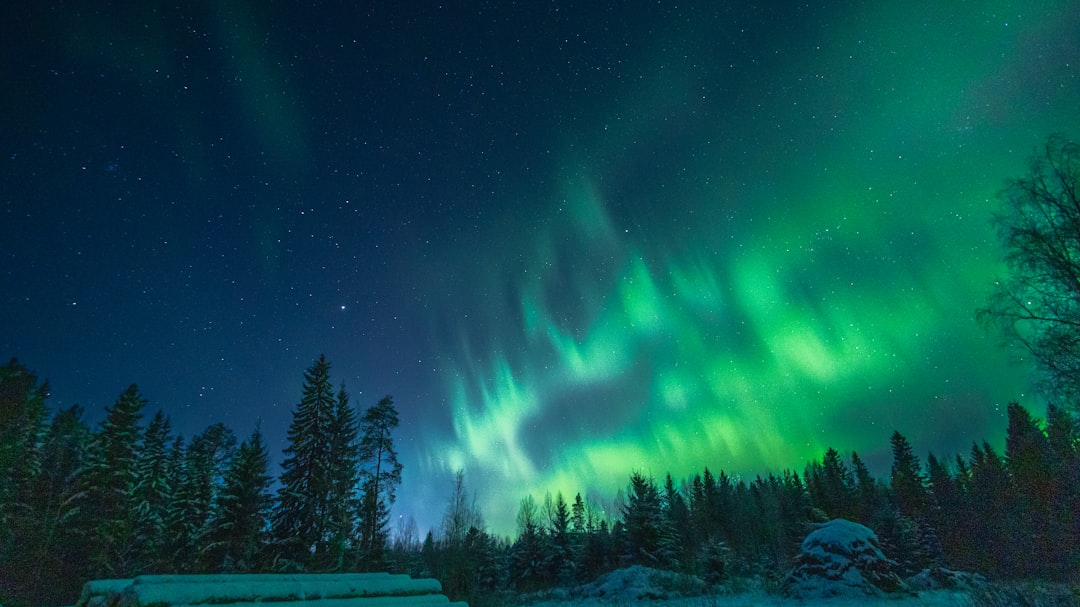
The Northern Lights, also known as the Aurora Borealis, is one of nature’s most breathtaking phenomena. As the days grow shorter and winter approaches in the United States, interest in viewing these stunning displays skyrockets. In this blog, we will discuss the latest forecasts for the Northern Lights, especially focused on exciting viewing opportunities for enthusiasts across the U.S.
What Causes the Northern Lights?
The Northern Lights occur when charged particles from the sun collide with gases in Earth’s atmosphere. This interaction produces beautiful ribbons of light, typically seen near the magnetic poles. The colors of the Aurora vary, often appearing as greens, pinks, reds, and purples depending on the type of gas involved.
Current Northern Lights Activity
As of October 2023, solar activity has increased, leading to heightened chances of Aurora sightings in various parts of the United States. NOAA’s Space Weather Prediction Center provides regular updates and forecasts, so checking their site often will keep you informed about when and where to find these lights.
Where to View the Northern Lights in the U.S.
While the Northern Lights can be seen in many northern areas, certain places in the U.S. offer optimal viewing conditions. The best states include:
- Alaska: Fairbanks is one of the top destinations for witnessing the Aurora, thanks to its clear skies and proximity to the Arctic Circle.
- Minnesota: The Boundary Waters Canoe Area offers dark skies away from city lights, perfect for Aurora viewing.
- North Dakota: Head to Theodore Roosevelt National Park for an exceptional view.
- Michigan: The Upper Peninsula, especially areas near Lake Superior, often showcase spectacular Auroras.
- Montana: Glacier National Park provides stunning landscapes for Aurora photography.
Forecasting the Northern Lights
To forecast the Northern Lights, meteorologists and scientists monitor solar activity and geomagnetic storms. During periods of increased sunspot activity, the chances of observing the Aurora rise significantly. Websites like SpaceWeather.com and apps like “My Aurora Forecast” can help you stay updated on predicted Aurora activity.
Tips for Viewing the Northern Lights
Viewing the Northern Lights requires a bit of planning. Here are some valuable tips to enhance your experience:
- Choose the Right Time: Aurora sightings are more common during late autumn and winter months when the nights are longer.
- Find Dark Locations: Get away from city lights and opt for high elevations and open fields.
- Check the Weather: Clear skies are essential for viewing the Northern Lights, so always check local weather forecasts.
- Stay Patient: The Northern Lights are not guaranteed, so be prepared for a long wait.
Final Thoughts
The Northern Lights are a stunning display that everyone should see at least once in their lifetime. With the right preparation and a little luck, you might catch a glimpse of this extraordinary spectacle in the coming months. Keep an eye on solar forecasts and start planning your trip to witness the magic of the Aurora Borealis!
Read Also:
Discover the Art of Samara Weaving: A Cultural Trend in the United States
Source:
Google Trends
{“@context”:”https://schema.org”,”@type”:”FAQPage”,”mainEntity”:[{“@type”:”Question”,”name”:”What is the best time to see the Northern Lights?”,”acceptedAnswer”:{“@type”:”Answer”,”text”:”The best time to see the Northern Lights in the U.S. is during the fall and winter months from late September to early April.”}},{“@type”:”Question”,”name”:”Can you predict when the Northern Lights will occur?”,”acceptedAnswer”:{“@type”:”Answer”,”text”:”Yes, predictions are based on solar activity and geomagnetic storm forecasts, which can be monitored through various meteorological websites.”}}]}