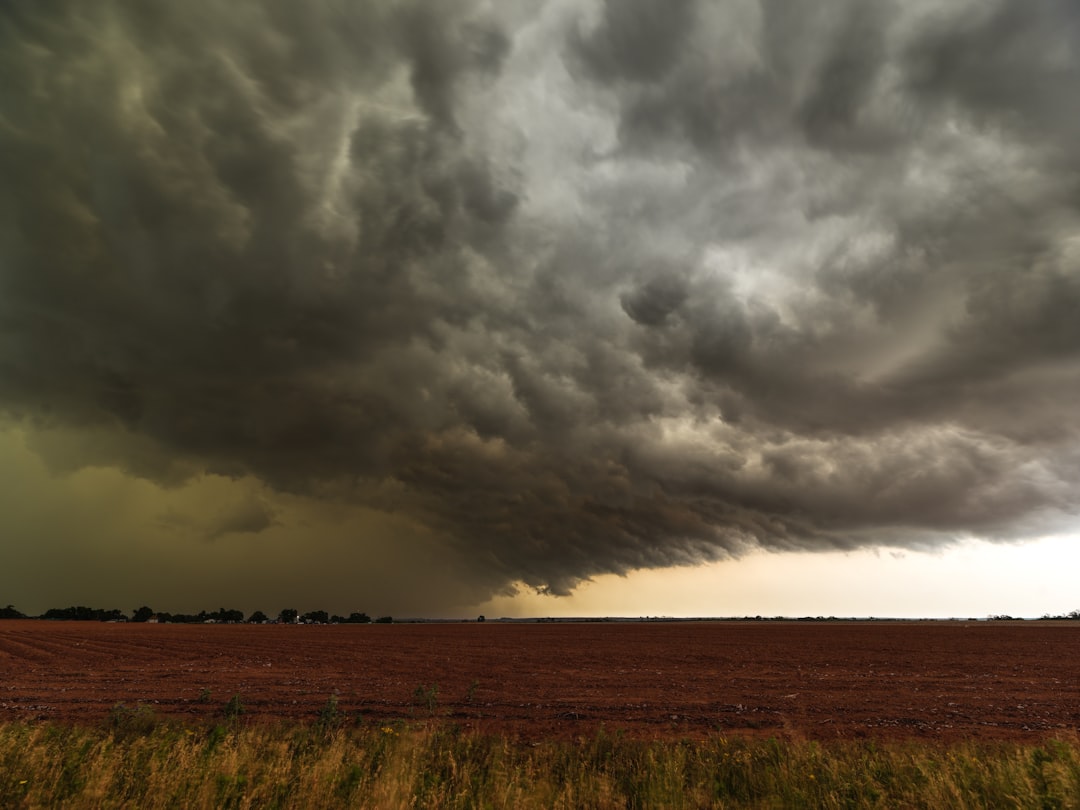



Understanding Earthquakes in Virginia: What You Need to Know

Understanding Earthquakes in Virginia: What You Need to Know
Virginia, known for its rich history and beautiful landscapes, is not commonly associated with earthquakes. However, recent seismic activities have brought the subject to the forefront of public concern. In this article, we will explore the seismology of Virginia, the recent earthquakes, preparedness tips, and more.
The Seismology of Virginia
Virginia sits on the tectonic boundary between the North American and the African plates. Although it is located far from the more tectonically active areas of the West Coast, Virginia does experience seismic activity. The state has a history of earthquakes, with the most significant event occurring in August 2011, when a magnitude 5.8 earthquake centered in Louisa County shook much of the East Coast.
Recent Earthquakes in Virginia
In recent months, Virginia has seen a rise in seismic activities, raising alarms among residents. According to the U.S. Geological Survey (USGS), multiple small tremors have been recorded in and around the state. While these quakes tend to be of low magnitude, the increased frequency has captured public attention.
Understanding Earthquake Magnitudes
The magnitude of an earthquake is measured on the Richter scale, which categorizes seismic activity. For instance, a magnitude of 2.0 to 3.0 is usually not felt, while a quake measuring over 5.0 can cause significant damage. While the recent quakes in Virginia have mostly been under 4.0, they serve as a reminder that the state is not entirely immune to seismic events.
Preparedness Tips for Virginia Residents
With the recent trends in earthquakes, it’s beneficial for Virginia residents to prepare themselves. Here are some essential preparedness tips:
- Create an Emergency Kit: Stock up on food, water, medical supplies, and necessary documents.
- Develop a Family Plan: Discuss what to do when an earthquake occurs, including how to reach each other and where to meet.
- Secure Your Home: Use straps and brackets to secure heavy furniture and appliances.
- Stay Informed: Utilize local channels and the USGS website to stay updated on seismic activity.
What to Do During an Earthquake
If you experience an earthquake in Virginia, remember these safety tips:
- Drop, Cover, and Hold On: Get down on your hands and knees, cover your head and neck, and stay in place until the shaking stops.
- Avoid Windows and Heavy Objects: Move away from glass, mirrors, and any objects that could fall.
- Stay Indoors: If you’re inside, remain there. If you’re outside, find an open space away from buildings, trees, and power lines.
Conclusion
While Virginia may not be the first state that comes to mind when discussing earthquakes, it’s essential for residents to remain informed and prepared. With the updated trends in seismic activity, understanding the implications and being ready can make a significant difference.
Read Also:
Andrew Garfield: The Rising Star Captivating America
Source:
Google Trends
{“@context”:”https://schema.org”,”@type”:”FAQPage”,”mainEntity”:[{“@type”:”Question”,”name”:”How common are earthquakes in Virginia?”,”acceptedAnswer”:{“@type”:”Answer”,”text”:”Earthquakes in Virginia are relatively uncommon but not rare. The state has experienced several minor tremors in recent years.”}},{“@type”:”Question”,”name”:”What should I do to prepare for an earthquake?”,”acceptedAnswer”:{“@type”:”Answer”,”text”:”Create an emergency kit, develop a family plan, secure your home, and stay informed about seismic activity through reliable sources.”}}]}