


Plane Crash Trends in the United States: What You Need to Know
Understanding Plane Crashes: A Growing Trend in the United States
In recent years, plane crashes have brought significant attention in the United States, raising concerns among travelers and aviation enthusiasts alike. With the increase in air travel following the pandemic, it’s vital to understand the factors contributing to these incidents, their implications, and how safety measures are evolving.
The Current Landscape of Plane Crashes
According to the latest statistics from the National Transportation Safety Board (NTSB), the U.S. has seen a moderate increase in the number of aviation accidents, particularly involving small aircraft. Major airline crashes remain rare, but incidents involving private and charter flights are more common than many realize.
Key Factors Leading to Plane Crashes
Several factors influence the frequency of plane crashes in the U.S. Some of the most significant include:
- Pilot Error: Human error continues to be the leading cause of aviation accidents. Inadequate training, fatigue, or miscommunication can lead to catastrophic events.
- Mechanical Failures: Although rare, mechanical failures can lead to serious accidents. Aging aircraft fleets and inadequate maintenance pose threats to flight safety.
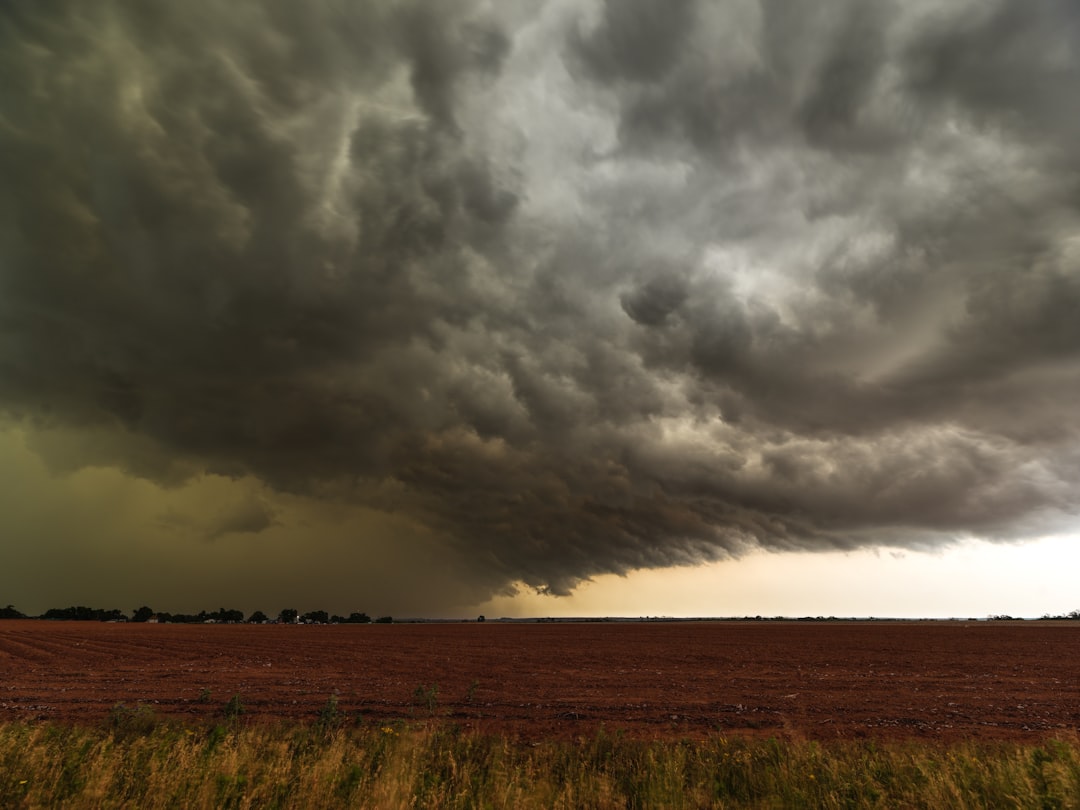
- Weather Conditions: Bad weather contributes significantly to aviation accidents. Poor visibility and adverse conditions can impact both private and commercial flights.
The Response from Aviation Authorities
In response to rising concerns over plane crashes, the Federal Aviation Administration (FAA) has implemented various safety initiatives aimed at improving pilot training, enhancing aircraft safety standards, and increasing oversight on smaller carriers.
Furthermore, advancements in technology have led to improved air traffic control systems and more stringent regulations for aircraft maintenance. These measures help mitigate risks and make air travel safer for everyone.
What Travelers Can Do to Stay Safe
As a traveler, staying informed is critical. Here are some tips to ensure your safety while flying:
- Choose Established Airlines: Opt for airlines with strong safety records and review their crash statistics before booking flights.
- Stay Informed: Follow news updates on aviation safety and incidents. Websites like the NTSB provide real-time information on recent crashes.
- Prioritize Your Airlines’ Safety Practices: Research the safety measures and protocols enforced by your airline, including pilot training and aircraft maintenance.
FAQs about Plane Crashes
Here are some frequently asked questions regarding plane crashes:
- What is the likelihood of being in a plane crash? Statistically, commercial aviation is one of the safest modes of transport. The chances of being involved in a crash are extremely low due to rigorous safety protocols.
- What should I do if a plane crashes? In the very unlikely event of a crash, listen to the crew’s instructions, locate the nearest exit, and brace for impact, keeping your safety in mind.
Conclusion
While plane crashes are a critical issue garnering attention in the United States, it’s essential to approach the topic with a clear understanding of the safety enhancements and regulations in place. As the aviation industry continues to evolve, staying informed will help ensure peace of mind when you board your next flight.
Read Also:
Air Canada: Your Gateway to Exceptional Travel Experiences
Source:
Google Trends
{“@context”:”https://schema.org”,”@type”:”FAQPage”,”mainEntity”:[{“@type”:”Question”,”name”:”What is the likelihood of being in a plane crash?”,”acceptedAnswer”:{“@type”:”Answer”,”text”:”Statistically, commercial aviation is one of the safest modes of transport. The chances of being involved in a crash are extremely low due to rigorous safety protocols.”}},{“@type”:”Question”,”name”:”What should I do if a plane crashes?”,”acceptedAnswer”:{“@type”:”Answer”,”text”:”In the very unlikely event of a crash, listen to the crew’s instructions, locate the nearest exit, and brace for impact, keeping your safety in mind.”}}]}