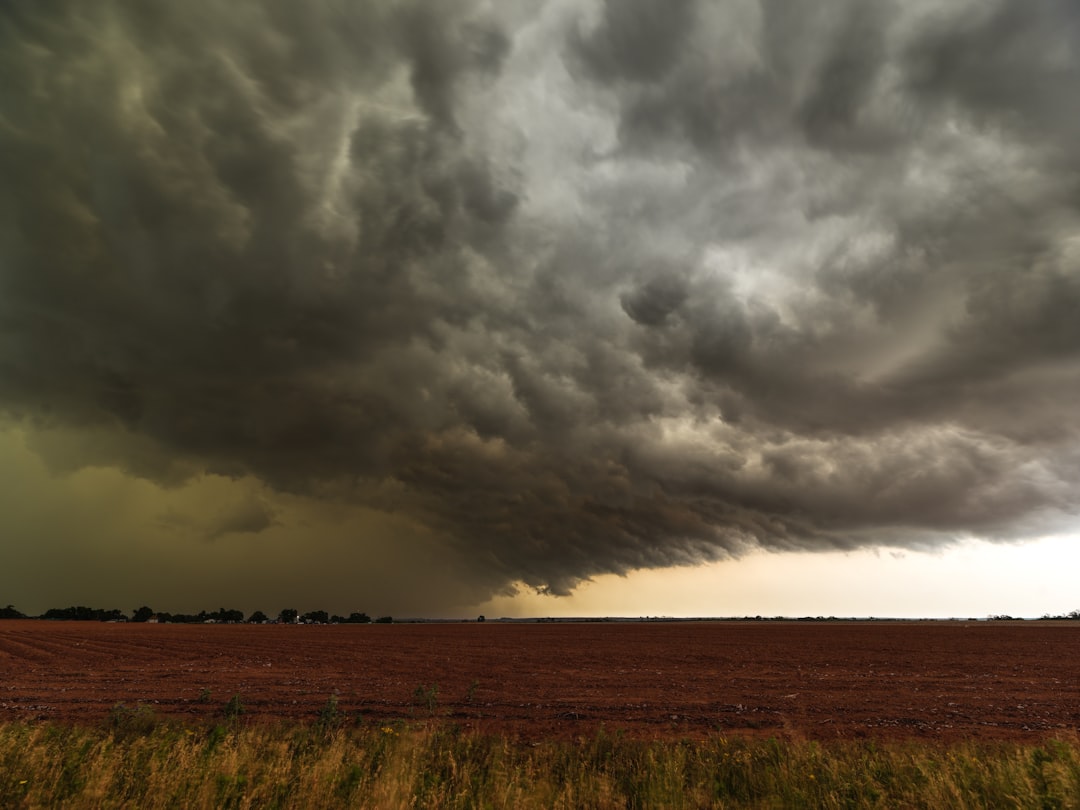



Understanding Jacksonville Weather: What to Expect Throughout the Year

Jacksonville Weather: What You Need to Know
When discussing the beauty and vibrance of Jacksonville, Florida, one cannot overlook the importance of its weather. The city’s warm climate and coastal breezes make it a popular destination for both residents and tourists. In this blog post, we’ll dive into Jacksonville’s weather patterns, including seasonal changes, averages, and helpful tips for enjoying this sunny locale.
Overview of Jacksonville’s Climate
Jacksonville is known for its humid subtropical climate. This means that summers are hot and humid, while winters are mild and dry. The average annual temperature in Jacksonville sits around 70°F (21°C), making it a comfortable place to live and visit year-round.
Summer in Jacksonville
Summer months from June to August in Jacksonville can be toasty, with average high temperatures ranging from 85°F to 95°F (29°C to 35°C). With high humidity levels, it often feels even warmer. Thunderstorms are common, especially in the afternoon, offering a brief respite from the heat. If you’re planning to visit during the summer, remember to stay hydrated and wear sunscreen to protect against the Florida sun.
Fall and Winter: The Mild Seasons
Fall (September to November) transitions the city from warm summer days to cooler evenings, with temperatures gradually decreasing. The average highs in September can still reach 86°F (30°C), but by November, they drop to around 72°F (22°C).
Winter in Jacksonville is lovely. While northern states are blanketed in snow, Jacksonville enjoys mild days with temperatures typically ranging between 45°F to 69°F (7°C to 21°C). January is the coldest month but rarely sees temperatures below freezing. This makes it an ideal time to explore outdoor activities without the scorching sun.
Spring: A Blooming Season
Spring (March to May) is another pleasant time in Jacksonville, with temperatures rising steadily from the lower 60s (around 15°C) to upper 80s (around 31°C). This season boasts beautiful flowers and perfect weather for outdoor events and activities. Jacksonville’s annual Tulip Festival in March showcases the blossoming flora, attracting both locals and tourists alike.
Rainfall and Hurricane Season
Jacksonville receives about 53 inches of rainfall each year, with the majority falling during the summer months. This is also the time when the hurricane season peaks, typically from June 1 to November 30. It’s crucial for residents and tourists to keep an eye on weather forecasts during this period for any developing storms.
Preparing for Jacksonville Weather
Regardless of the season, staying prepared for Jacksonville weather is essential. Here are some tips:
- Stay Hydrated: Especially during summer months, drink plenty of water to avoid dehydration.
- Sun Protection: Use sunscreen, wear hats, and seek shade when necessary.
- Check Weather Reports: Stay informed about any potential thunderstorms or severe weather, especially during hurricane season.
Conclusion
Jacksonville weather plays a crucial role in the city’s charm and appeal. With a deep understanding of what to expect throughout the year, both residents and visitors can enjoy everything this vibrant city has to offer. Whether you’re soaking in the sun at Jacksonville Beach or attending an outdoor festival, knowing the weather ensures a delightful experience.
Read Also:
Jason Whitlock: The Voice of Controversy in American Sports Commentary
Source:
Google Trends
{“@context”:”https://schema.org”,”@type”:”FAQPage”,”mainEntity”:[{“@type”:”Question”,”name”:”What is the best time to visit Jacksonville?”,”acceptedAnswer”:{“@type”:”Answer”,”text”:”The best time to visit Jacksonville is during the spring (March to May) and fall (September to November) when temperatures are mild.”}},{“@type”:”Question”,”name”:”Does Jacksonville experience hurricanes?”,”acceptedAnswer”:{“@type”:”Answer”,”text”:”Yes, Jacksonville is along the southeastern coast and can experience hurricanes between June 1 and November 30.”}}]}