


Your Complete Guide to Aurora Forecasts in the United States
Aurora Forecast: Embrace the Night Sky
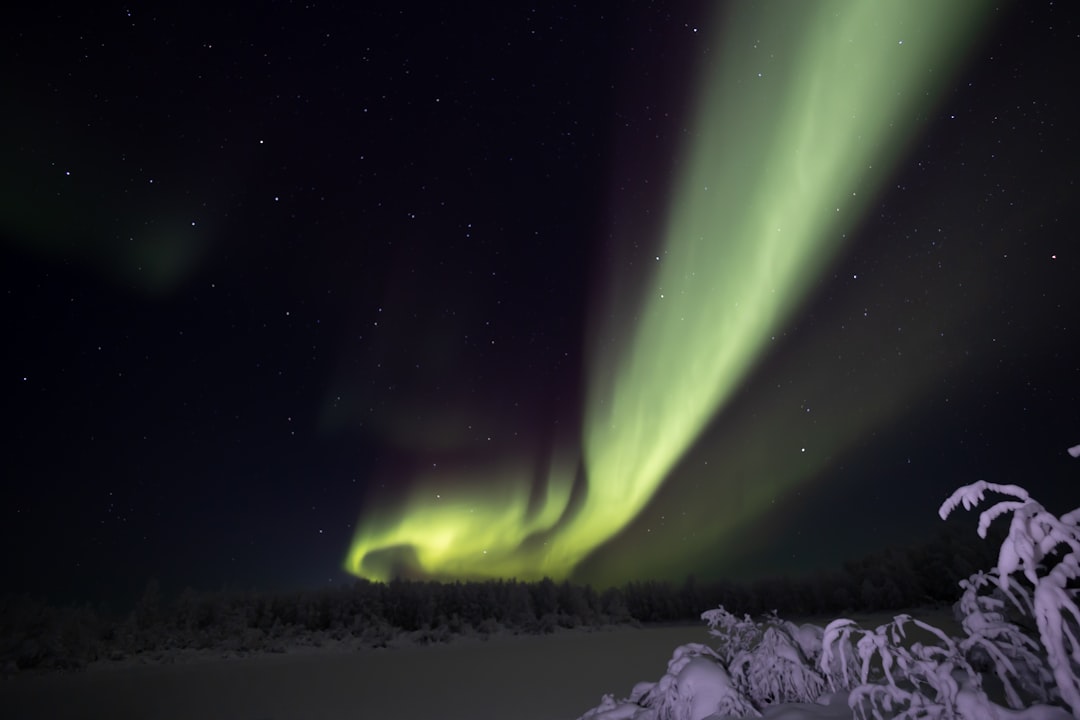
The shimmering beauty of the Northern Lights, or Aurora Borealis, captivates many nature enthusiasts in the United States. Known for its stunning visuals, this phenomenon is not just visually arresting; it serves as a playground for science and exploration. In this blog post, we delve into the importance of aurora forecasts, providing you the essential information to catch this stunning sight.
What is Aurora Forecast?
Aurora forecasts are predictions that indicate the likelihood and intensity of auroras based on solar activity. These forecasts help people plan trips to observe the Northern Lights, particularly in regions like Alaska, Montana, and North Dakota, where sightings are frequent.
How Aurora Forecasts are Made
Scientific organizations analyze solar wind patterns and geomagnetic conditions to create reliable forecasts. By monitoring the Sun’s activity, scientists can predict when and where auroras may occur. The KP index is a scale from 0 to 9 that indicates geomagnetic activity; higher numbers mean a greater chance of seeing the aurora.
Why You Should Follow Aurora Forecasts
Tracking aurora forecasts provides you the opportunity to witness one of nature’s most stunning displays. Here are a few reasons to keep an eye on these forecasts:
- Enhanced Planning: Knowing when conditions are ideal allows you to plan your trip more effectively.
- Quality Viewing: The best chances for viewing the lights are during darker months and hours, so forecasts let you know when to be on alert.
- Safety First: Traveling to remote areas for better viewing requires some planning and foresight, especially considering weather conditions.
Where to Find Reliable Aurora Forecasts
There are several sources where you can find accurate aurora forecasts:
- NOAA Space Weather Prediction Center: Offers real-time data regarding solar activity and auroras.
- Aurorasaurus: A citizen science project that provides live information on aurora sightings.
- Aurora Alerts: Send smartphone notifications to let you know when auroral activity is high.
Best Places in the U.S. to View Auroras
If you’re considering a trip to see the Northern Lights, here are some of the best locations in the United States:
- Fairbanks, Alaska: Known as one of the best spots to view auroras due to its geographical location.
- Yellowstone National Park: Offers stunning landscapes and lower light pollution for better visibility.
- North Dakota: Less cloud cover makes this state a favorite among aurora chasers.
Conclusion: Don’t Miss Your Chance
The aurora borealis is a breathtaking natural phenomenon that shouldn’t be missed. By staying informed through aurora forecasts, you can enhance your chances to witness this magical event. Whether you’re a seasoned traveler or a first-time visitor, understanding aurora alerts can make your experience unforgettable. So grab your camera and get ready to be mesmerized by the night sky!
Read Also:
Norway vs Switzerland: A Comprehensive Comparison
Source:
Google Trends
{“@context”:”https://schema.org”,”@type”:”FAQPage”,”mainEntity”:[{“@type”:”Question”,”name”:”What is the best time of year to see the auroras in the United States?”,”acceptedAnswer”:{“@type”:”Answer”,”text”:”The best time to see auroras is typically from late August to April, with peak viewing from December to March when nights are longest.”}},{“@type”:”Question”,”name”:”Do I need special equipment to view the auroras?”,”acceptedAnswer”:{“@type”:”Answer”,”text”:”No special equipment is required, although a good camera with a tripod can help capture the moment. Warm clothing is also essential!”}}]}