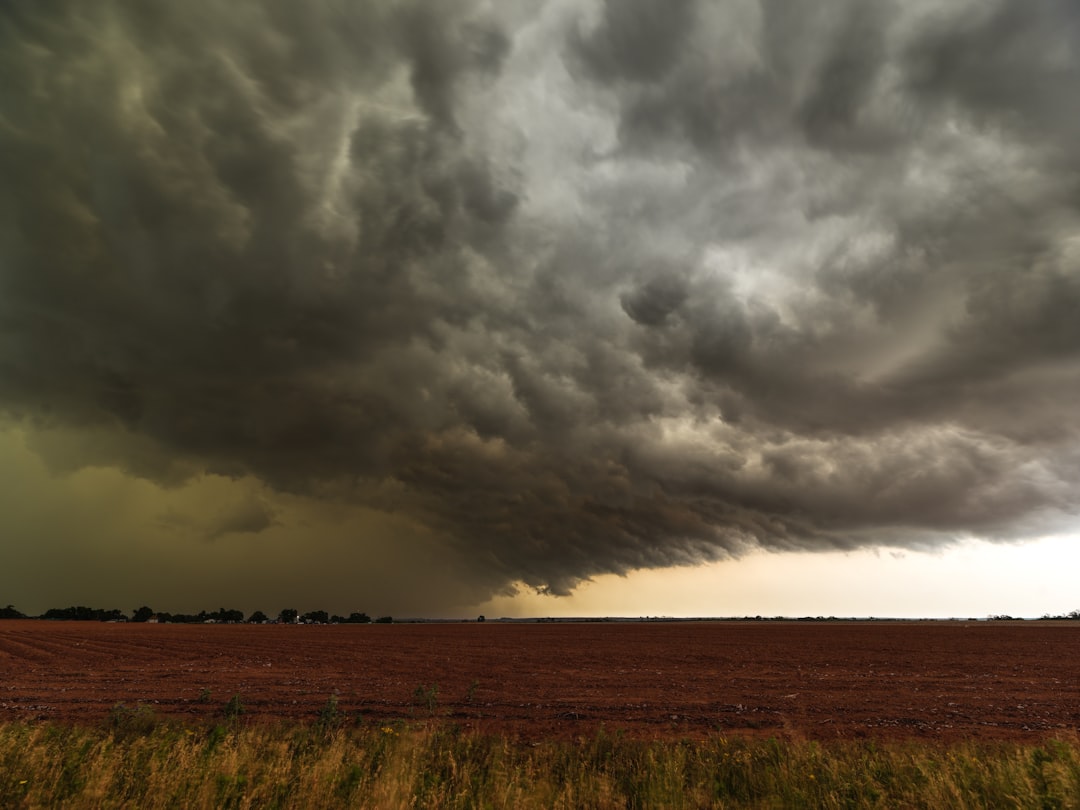



Understanding the Polar Vortex: Impacts and Insights for the United States
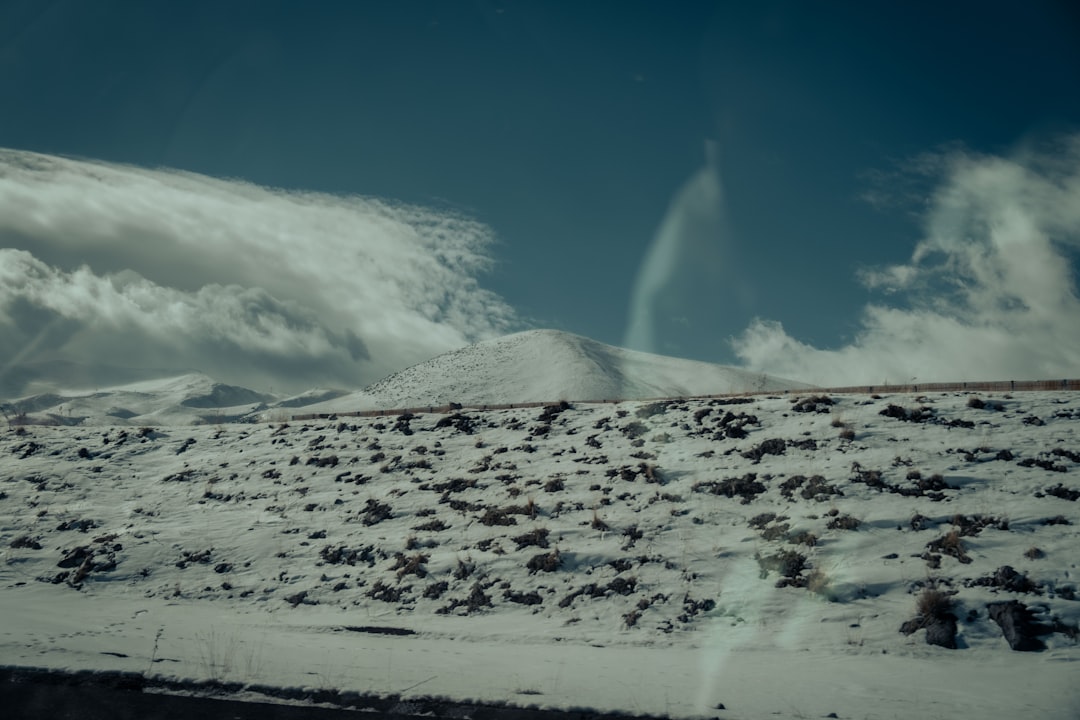
Understanding the Polar Vortex: Impacts and Insights for the United States
As winter settles in, the term polar vortex is gaining traction in weather reports and daily conversations across the United States. But what exactly is the polar vortex, and why does it matter to us? In this blog post, we will explore the polar vortex, its effects on our weather, and how it impacts daily life in the U.S.
What is the Polar Vortex?
The polar vortex is a large area of low pressure and cold air surrounding the Earth’s poles. It is a persistent, large-scale cyclonic circulation that affects the northern and southern atmospheres. During winter months, this vortex can weaken, allowing cold Arctic air to spill southward into lower latitudes, which often includes the United States.
How Does the Polar Vortex Affect Weather in the U.S.?
When the polar vortex is stable, Arctic air remains trapped near the poles. However, when the polar vortex weakens, it can lead to extreme cold spells. Regions that normally experience milder winters, such as the Northeast and Midwest, can be hit with significantly lower temperatures. This phenomenon has been increasingly noticeable in recent years, with dramatic temperature drops that can result in hazardous weather conditions.
Recent Polar Vortex Events
Recent winters have given us a front-row seat to the impacts of the polar vortex. In February 2021, for instance, Texas experienced unprecedented cold due to the polar vortex splitting, which allowed frigid air to engulf the southern U.S. This incident resulted in power outages, frozen pipes, and significant economic losses for many residents. Such events stress the importance of preparedness during winter months.
How to Prepare for Polar Vortex Events
As winter approaches, it’s essential to be prepared for the impact of the polar vortex. Here are some tips to ensure safety and comfort:
- Stay Informed: Regularly check weather updates and forecasts to stay informed about sudden temperature drops.
- Winterize Your Home: Insulate pipes, seal drafts, and ensure heating systems are in good working order.
- Emergency Kit: Prepare a winter emergency kit with essentials such as food, water, medications, and warm clothing.
- Limit Travel: During severe cold spells, limit unnecessary travel to avoid hazardous conditions.
The Science Behind the Polar Vortex
The polar vortex is influenced by several factors, including ocean temperatures, atmospheric stability, and the state of the Arctic. Scientists are actively studying how climate change may be affecting its behavior. Warmer temperatures can disrupt the polar vortex’s airflow, leading to more extreme weather events across the northern hemisphere.
Conclusion
The polar vortex is more than just a scientific term; it plays a significant role in our winter weather and overall climate. Understanding its mechanics can help us better prepare for the impacts of extreme cold and make informed decisions during winter months. As we continue to witness the effects of climate change, paying attention to the polar vortex can provide insights into future weather patterns.
FAQs about the Polar Vortex
What causes the polar vortex to weaken?
The polar vortex can weaken due to fluctuations in atmospheric pressure, changes in ocean temperatures, and alterations in the jet stream. These variations can allow cold Arctic air to spill southward.
Is the polar vortex related to climate change?
Yes, scientists are studying the relationship between climate change and polar vortex activity. Some research suggests that warming Arctic temperatures may lead to more frequent and severe polar vortex disruptions.
Read Also:
Joe Rogan: The Voice of a Generation in 2023
Source:
Google Trends
{“@context”:”https://schema.org”,”@type”:”FAQPage”,”mainEntity”:[{“@type”:”Question”,”name”:”What causes the polar vortex to weaken?”,”acceptedAnswer”:{“@type”:”Answer”,”text”:”The polar vortex can weaken due to fluctuations in atmospheric pressure, changes in ocean temperatures, and alterations in the jet stream.”}},{“@type”:”Question”,”name”:”Is the polar vortex related to climate change?”,”acceptedAnswer”:{“@type”:”Answer”,”text”:”Yes, scientists are studying the relationship between climate change and polar vortex activity. Some research suggests that warming Arctic temperatures may lead to more frequent and severe polar vortex disruptions.”}}]}