


Understanding U.S. Airline Flight Cancellations: Causes and Solutions
Understanding U.S. Airline Flight Cancellations: Causes and Solutions
Flight cancellations in the United States have become a trending topic in recent months. With travelers facing unexpected disruptions, it’s important to understand the underlying causes and what measures are being taken to address these issues. In this blog post, we will delve into the current state of U.S. airline flight cancellations, explore the reasons behind them, and provide tips for travelers.
The State of U.S. Airline Flight Cancellations
In recent times, U.S. airlines have experienced significant disruptions leading to a rise in flight cancellations. According to reports, airlines have canceled thousands of flights due to a combination of factors, leading to frustration among passengers and a burden on airline operations.
Common Causes of Flight Cancellations
Several key factors contribute to the increase in flight cancellations:
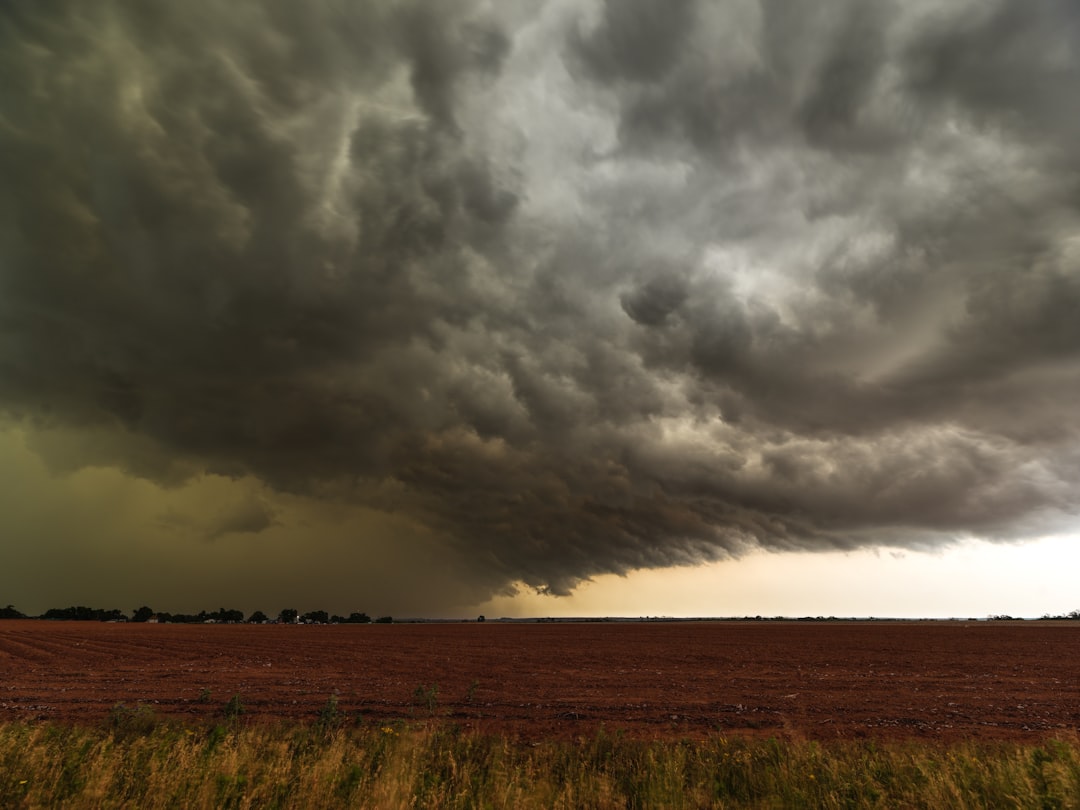
- Weather Conditions: Adverse weather remains one of the top reasons for flight cancellations. Heavy snowstorms, hurricanes, and severe thunderstorms can significantly disrupt air travel.
- Pilot Shortages: The airline industry is facing a pilot shortage, which has become a critical issue leading to flight cancellations. As airlines ramp up hiring post-pandemic, training new pilots takes time.
- Operational Challenges: Airlines are grappling with various operational challenges, including maintenance issues, staffing shortages, and air traffic control disruptions.
- System Outages: Technical glitches and outages in airline reservation systems can also lead to the last-minute cancellation of flights.
Understanding the Impact
Flight cancellations can have a cascading effect, leading to missed connections, added costs, and emotional stress for travelers. Airlines may struggle to accommodate affected passengers, leading to a poor customer experience.
What Airlines Are Doing
In response to the rise in cancellations, airlines are taking steps to improve their operations:
- Investing in Technology: Airlines are investing in advanced technology and systems to improve operational efficiency and minimize the risk of cancellations.
- Communicating with Passengers: Increased efforts to communicate with passengers about potential cancellations and options available to them are becoming a priority.
- Workforce Stabilization: Airlines are actively working to recruit and retain staff to combat pilot shortages and operational strains.
Tips for Travelers
If you are planning to travel, here are some tips to minimize the impact of potential flight cancellations:
- Stay Informed: Keep an eye on your flight status, and consider subscribing to alerts from your airline.
- Book Direct Flights: Direct flights tend to have lower cancellation rates compared to those with multiple connections.
- Travel Insurance: Investing in travel insurance can provide peace of mind and financial protection in case of cancellations.
Conclusion
U.S. airline flight cancellations are a complex issue influenced by various logistical and operational factors. By staying informed and being prepared, travelers can navigate the challenges posed by cancellations and make their journeys smoother. As airlines continue to adapt and enhance their services, it is hoped that the frequency of cancellations will decrease, leading to a better travel experience for everyone.
Read Also:
Madison Beer: The Rising Star of 2023
Source:
Google Trends
{“@context”:”https://schema.org”,”@type”:”FAQPage”,”mainEntity”:[{“@type”:”Question”,”name”:”What are the main reasons for flight cancellations in the U.S.?”,”acceptedAnswer”:{“@type”:”Answer”,”text”:”Main reasons include adverse weather conditions, pilot shortages, operational challenges, and system outages.”}},{“@type”:”Question”,”name”:”How can travelers prepare for possible flight cancellations?”,”acceptedAnswer”:{“@type”:”Answer”,”text”:”Travelers should stay informed, book direct flights, and consider investing in travel insurance.”}}]}