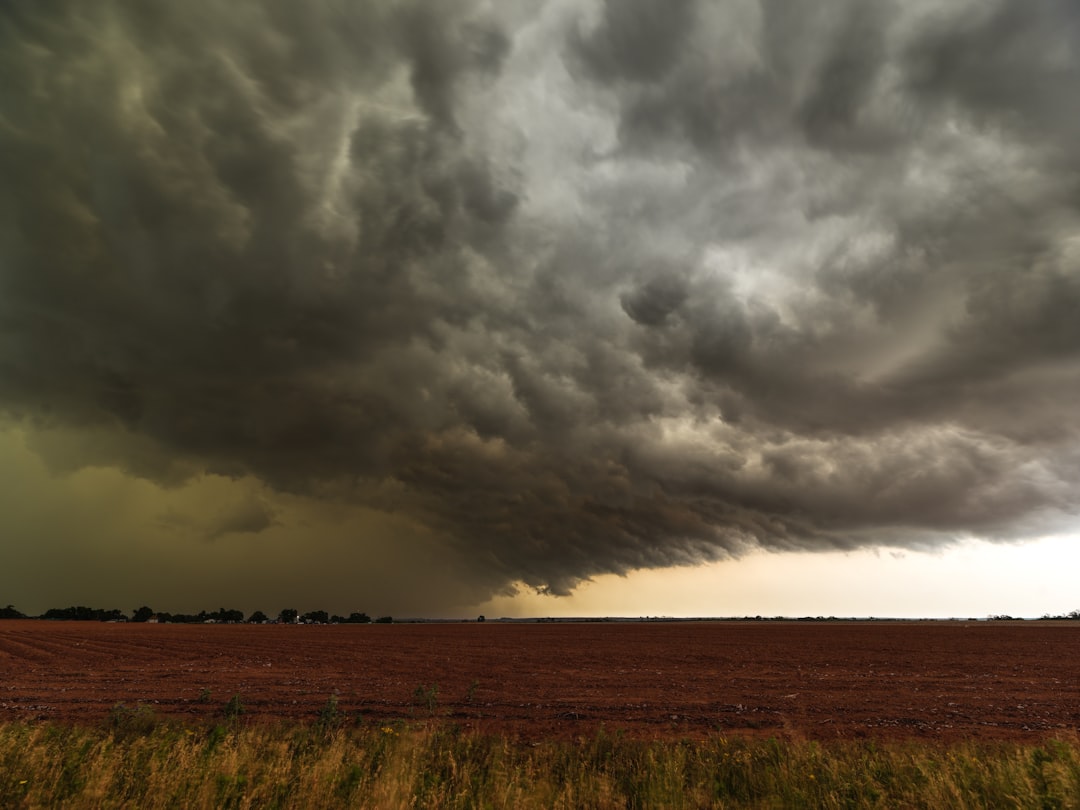



Understanding Severe Weather Trends in the United States: What You Need to Know
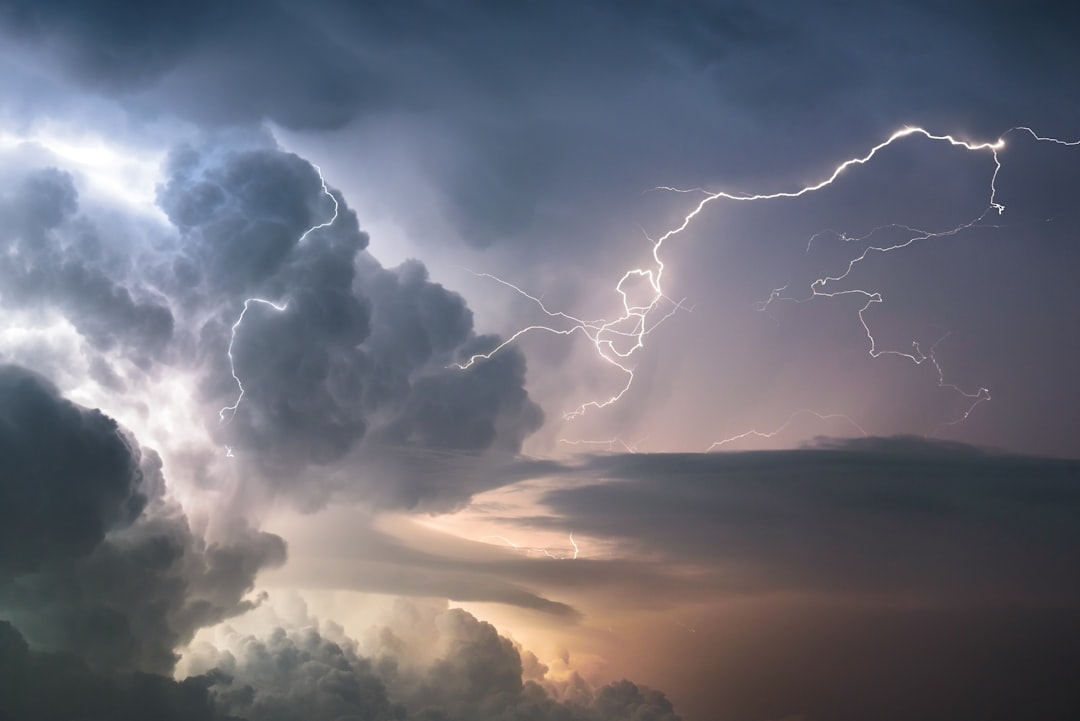
Understanding Severe Weather Trends in the United States
Severe weather is becoming an increasingly pressing issue across the United States. From hurricanes to tornadoes, the extreme weather patterns have far-reaching implications for communities, infrastructure, and the environment.
What Is Severe Weather?
Severe weather is characterized by significant atmospheric disturbances that can lead to damaging events such as storms, heavy rainfall, snow, and hurricanes. The National Weather Service categorizes severe weather as any weather that poses a risk to lives and property. This includes tornadoes, floods, hurricanes, blizzards, and extreme heat.
Recent Trends in Severe Weather
In recent years, the U.S. has experienced a notable increase in severe weather incidents. According to the National Oceanic and Atmospheric Administration (NOAA), the number of billion-dollar weather disasters has increased significantly, highlighting the rising frequency of extreme weather events.
Hurricanes and Tropical Storms
The Atlantic hurricane season has become increasingly active, with more frequent and intense storms. For example, Category 4 and 5 hurricanes are occurring more often, devastating coastal communities. The impacts of hurricanes can be catastrophic, resulting in loss of life, destruction of infrastructure, and long-term economic repercussions.
Tornadoes
The Great Plains, often referred to as “Tornado Alley,” face an alarming increase in tornado activity. While tornado occurrence can vary year to year, the severity and destructiveness of these storms are on the rise. Scientists believe climate change may play a role in this trend, as atmospheric conditions become more conducive to powerful storm formation.
Flooding Events
Flooding has become one of the most common weather hazards in the U.S. Climate change, urbanization, and changing precipitation patterns are contributing to increased flooding risks, particularly in urban areas. Heavy rainfall events lead to flash floods, which can quickly overwhelm drainage systems, posing risks to life and property.
Impact of Severe Weather
The impact of severe weather extends beyond immediate physical damage. Communities affected by hurricanes, tornadoes, and floods often face long recovery times. The economic burden can strain local governments and emergency services, causing delays in recovery and rebuilding efforts. Mental health issues also arise as affected individuals deal with trauma and loss.
Preparing for Severe Weather
Preparation is crucial in mitigating the impacts of severe weather. Here are some key steps you can take:
- Create an Emergency Kit: Include essentials such as food, water, medications, and first aid supplies.
- Stay Informed: Monitor local weather reports and alerts from the National Weather Service.
- Develop a Family Plan: Ensure all family members know what to do in case of severe weather, including evacuation routes and meeting points.
- Consider Home Improvements: Invest in protective measures like storm shutters or reinforced roofs, and ensure your home is built to withstand severe weather.
The Role of Climate Change
Many experts believe that climate change is exacerbating the frequency and intensity of severe weather events. Rising global temperatures contribute to increased moisture in the atmosphere, fuelling storms and heavy rainfall. As climate change continues to impact weather patterns, serious consideration must be given to how we as a society prepare for these changes.
Conclusion
Severe weather trends in the United States are a growing concern that requires immediate attention and action. By understanding the risks and preparing adequately, we can better protect ourselves and our communities from the devastating effects of severe weather.
Read Also:
Understanding the Recent Parking Garage Collapse in Philadelphia
Source:
Google Trends
{“@context”:”https://schema.org”,”@type”:”FAQPage”,”mainEntity”:[{“@type”:”Question”,”name”:”What are the different types of severe weather?”,”acceptedAnswer”:{“@type”:”Answer”,”text”:”Severe weather includes hurricanes, tornadoes, floods, blizzards, and extreme heat events.”}},{“@type”:”Question”,”name”:”How can I prepare for severe weather events?”,”acceptedAnswer”:{“@type”:”Answer”,”text”:”You can prepare by creating an emergency kit, staying informed about weather updates, developing a family emergency plan, and reinforcing your home against storms.”}}]}