


Current Israel-Iran Ceasefire: What You Need to Know
Understanding the Israel-Iran Ceasefire
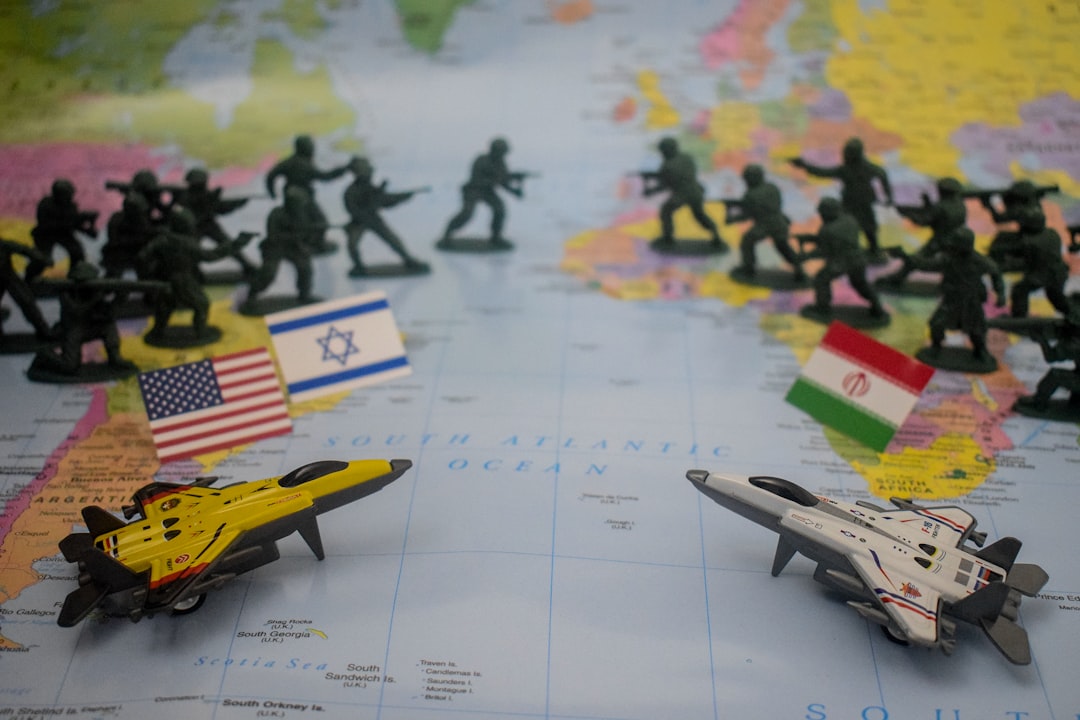
The geopolitical landscape of the Middle East is ever-shifting, and the recent talks around a ceasefire between Israel and Iran have captured the attention of many, particularly in the United States. This blog post delves into the intricacies of the Israel-Iran ceasefire, its implications, and why it matters.
What Led to the Ceasefire Talks?
Recent escalations in military tensions, including missile strikes and cyber warfare, have sparked ongoing conflicts between Israel and Iran. Both countries have accused each other of aggression, leading to a need for a diplomatic resolution. Ceasefire talks were largely influenced by international pressure and the desire for stability in the region.
The Role of the United States
The United States has significantly influenced Middle Eastern geopolitics, especially concerning Israel and Iran. The Biden administration has advocated for renewed diplomacy, emphasizing the importance of de-escalation in the region. By potentially backing the ceasefire, the U.S. aims to maintain its alliances while promoting peace.
Implications of the Ceasefire
Should a ceasefire be officially established, it may lead to several implications:
- Reduction in Military Conflicts: A ceasefire could drastically reduce military engagements between Israel and Iran, providing much-needed relief to civilians suffering from repercussions of these conflicts.
- Impact on Global Politics: A stable ceasefire could alter power dynamics within the Middle East, potentially shifting alliances and contributing to broader international peace efforts.
- Humanitarian Benefits: With decreased military activity, humanitarian aid can reach those affected by the conflict more efficiently, providing much-needed resources and support.
Challenges Ahead
While the concept of a ceasefire is promising, numerous challenges remain. Deep-seated mistrust, ongoing proxy battles in neighboring countries, and internal political factions may complicate the peace process. Furthermore, extremist groups on both sides may not abide by a ceasefire agreement, thus posing significant risks to any truce.
Conclusion: The Road Ahead
The prospect of a ceasefire between Israel and Iran is both hopeful and fraught with obstacles. Continued dialogue is essential to find common ground and ensure stability in the region. As discussions evolve, it remains crucial for nations, especially the U.S., to support diplomatic measures aimed at lasting peace.
Read Also:
The Musical Journey of Mick Fleetwood: A Beat that Resonates
Source:
Google Trends
{“@context”:”https://schema.org”,”@type”:”FAQPage”,”mainEntity”:[{“@type”:”Question”,”name”:”What is the current status of the ceasefire between Israel and Iran?”,”acceptedAnswer”:{“@type”:”Answer”,”text”:”As of now, ceasefire talks are ongoing, with both nations showing interest in reducing military hostilities.”}},{“@type”:”Question”,”name”:”How does this ceasefire impact U.S. foreign policy?”,”acceptedAnswer”:{“@type”:”Answer”,”text”:”It may influence the U.S.’s stance in the Middle East, emphasizing diplomacy and peace while securing its alliances.”}}]}