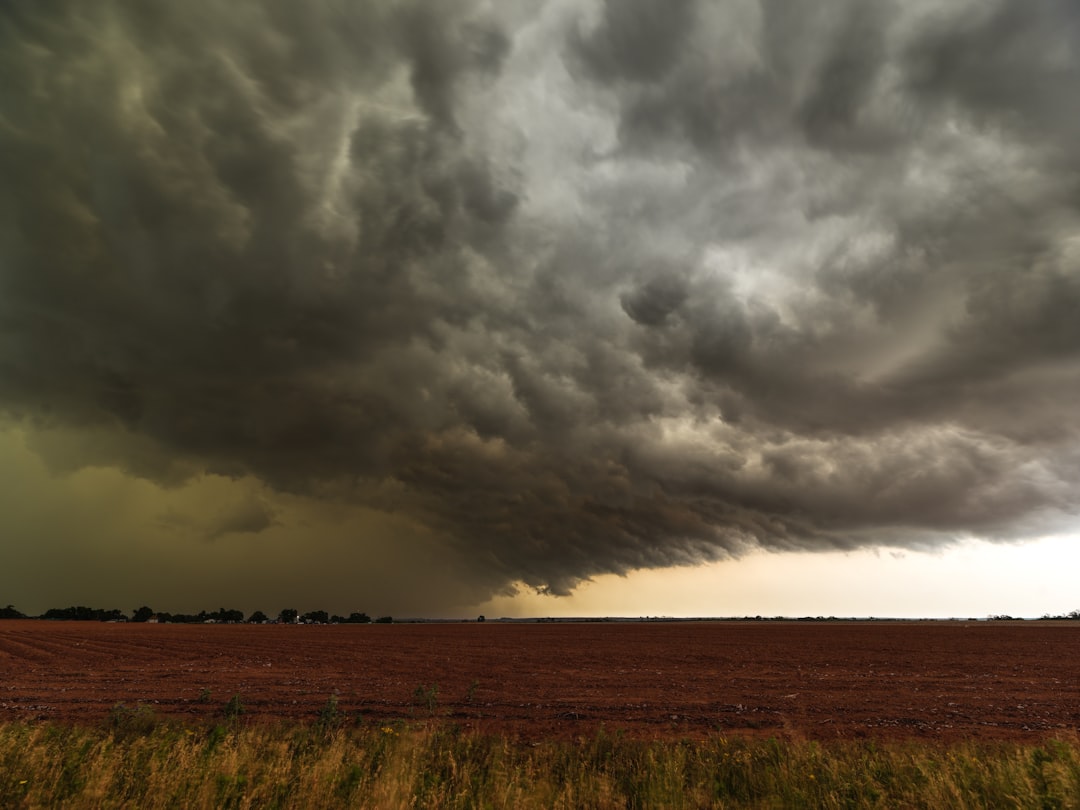



Your Comprehensive Guide to Seattle Weather: Trends and Insights
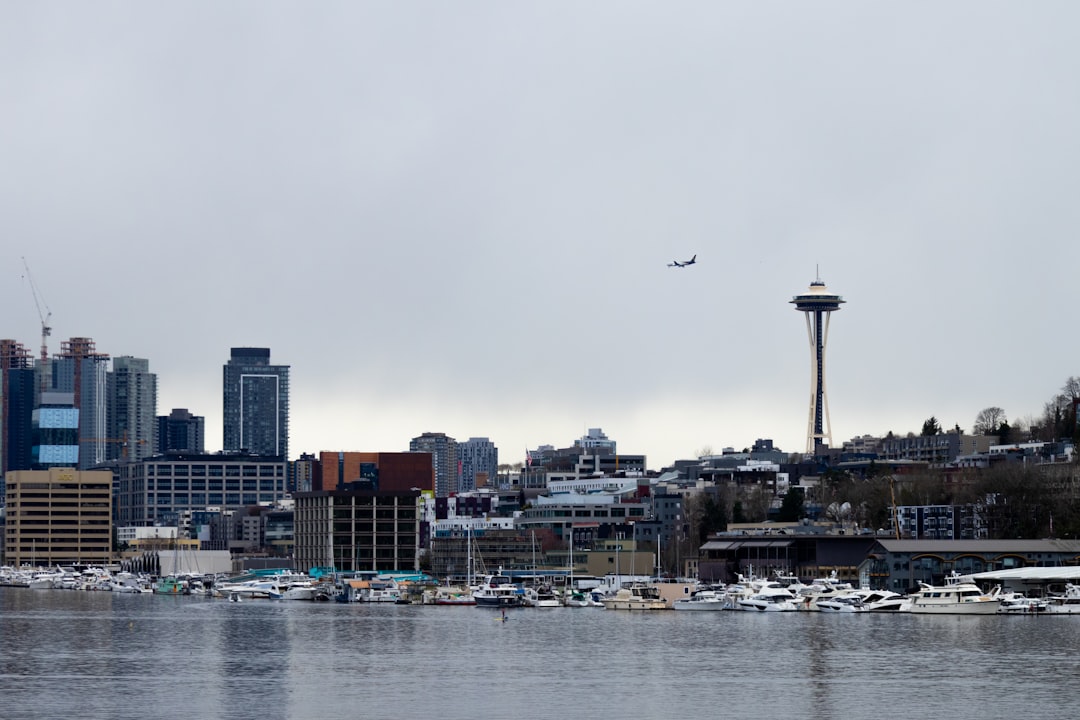
Seattle Weather: An Overview
Seattle, known for its stunning landscapes and vibrant culture, is equally famous for its unique weather patterns. The city experiences a marine west coast climate, characterized by mild, wet winters and cool, dry summers. Understanding Seattle weather is crucial for both residents and visitors alike, especially as it has become a trending topic across the United States.
Seattle’s Climate Throughout the Seasons
Winter
From December to February, Seattle’s winter is typically overcast and rainy, with average highs around 45°F (7°C) and lows near 36°F (2°C). Rainfall during this season averages about 5 inches per month. While snow is rare, it does occur occasionally, creating a magical, albeit cold, landscape.
Spring
Spring in Seattle, from March to May, brings gradual warming and blooming flowers. Average temperatures range from 48°F (9°C) in March to 65°F (18°C) in May. Rainfall decreases, making it a great time to explore the outdoors as the city starts to shake off winter’s chill.
Summer
Summer is a beloved season in Seattle, where the sun shines brightly from June to August. With average highs of 75°F (24°C) to 80°F (27°C), it’s perfect for outdoor activities. Rainfall is sparse, and locals enjoy festivals, sailing, and hiking the stunning mountains that surround the city.
Fall
Fall, from September to November, marks a return to cooler temperatures and increased rainfall. September still holds onto summer-like temperatures, but by November, highs can drop to around 50°F (10°C). Fall foliage in Seattle is breathtaking, making it a great time for photography and scenic drives.
Trends in Seattle Weather
Recently, there has been growing interest in the changes in Seattle’s weather patterns. With climate change evident globally, Seattle is not exempt from experiencing shifts in its typical weather. Increased temperatures, variations in rainfall patterns, and the occurrence of more extreme weather events have become a focal point for discussions among locals and scientists.
Impact of Climate Change
Climate studies indicate that Seattle has seen a rise in average temperatures over the past few decades. This warming has implications for water availability, snowpack levels in the nearby Cascades, and even the timing of the blooming seasons for local flora.
Essential Tips for Navigating Seattle’s Weather
- Layer Up: Weather can change quickly, especially in spring and fall. Always dress in layers to stay comfortable.
- Stay Informed: Utilize local weather apps and websites to keep track of current conditions, particularly in winter.
- Embrace the Rain: A waterproof jacket and proper footwear can help you enjoy Seattle’s beauty, even on gray days.
- Plan Ahead: For summer outings, plan activities early in the day to make the most of the pleasant weather.
Conclusion
Whether you’re a lifelong resident or a first-time visitor, understanding Seattle weather can enhance your experience in this vibrant city. As Seattle continues to trend in discussions about climate, staying informed will not only help you plan your activities but also contribute to broader efforts to combat climate change.
Read Also:
The Legendary Career of Dirk Nowitzki: An NBA Icon
Source:
Google Trends
{“@context”:”https://schema.org”,”@type”:”FAQPage”,”mainEntity”:[{“@type”:”Question”,”name”:”What is Seattle’s typical annual rainfall?”,”acceptedAnswer”:{“@type”:”Answer”,”text”:”Seattle receives about 37 inches of rainfall annually, with most precipitation occurring in fall and winter.”}},{“@type”:”Question”,”name”:”How do summer temperatures in Seattle compare to other cities?”,”acceptedAnswer”:{“@type”:”Answer”,”text”:”Summer temperatures in Seattle are relatively mild, averaging 75u00b0F (24u00b0C), which is cooler than many other cities in the U.S.”}}]}