
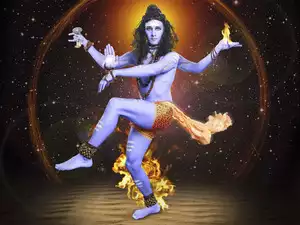


The Dark Wizard: Unraveling the Fascination with Dark Fantasy in America
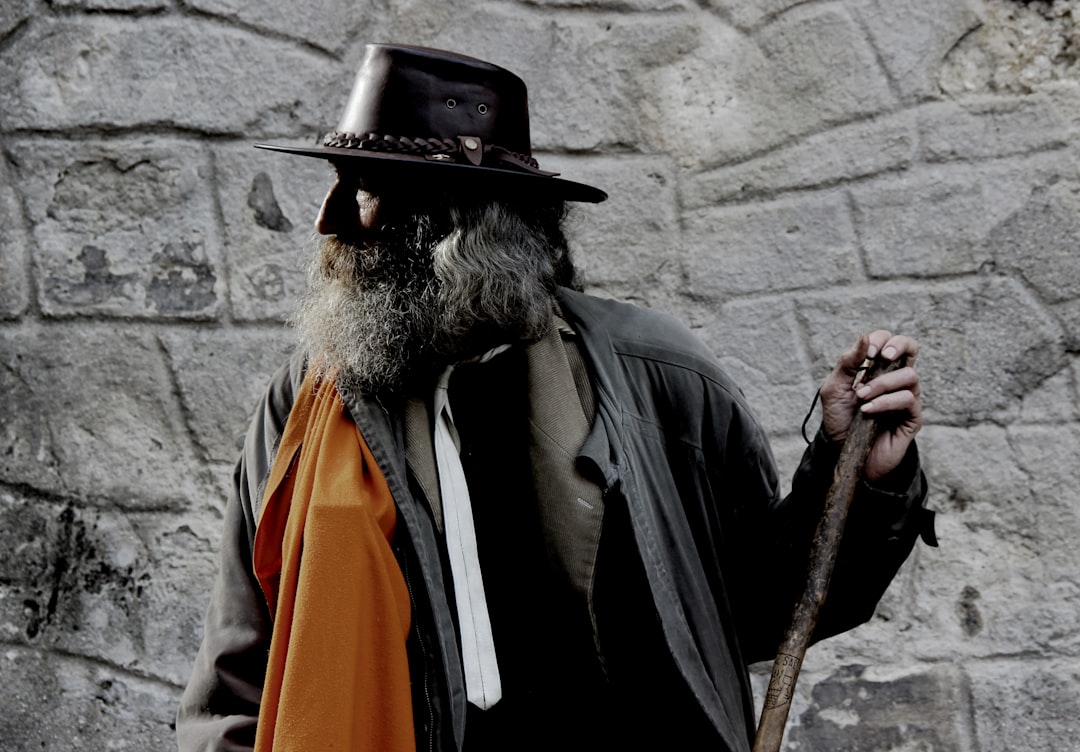
The Dark Wizard: Unraveling the Fascination with Dark Fantasy in America
In recent years, the figure of the dark wizard has captured the imagination of audiences across the United States. With its roots deeply embedded in fantasy literature, movies, and gaming culture, the dark wizard archetype continues to evolve, reflecting both our fears and desires. But what drives this trend, and why do we find ourselves enchanted by the dark side of magic?
The Allure of the Dark Wizard
Dark wizards, often portrayed as powerful and malevolent sorcerers, embody a sense of forbidden knowledge and unrivaled power. They frequently serve as antagonists in stories, leading an audience to root for the heroes in their battle against evil. Yet, it’s not just their wickedness that fascinates; it’s the complexity of their characters. Many dark wizards are portrayed with tragic backstories, making them more relatable and human.
Popular Dark Wizards in Modern Media
From J.K. Rowling’s Voldemort to the enigmatic figures in Netflix’s series adaptations, the portrayal of dark wizards has significantly influenced pop culture. Their characteristics often blend charisma with fear, creating figures that audiences are undeniably drawn to.
For instance, in the Harry Potter series, Voldemort’s backstory, vulnerabilities, and motivations offer a glimpse into why he chose the dark path. Similarly, in television series like Game of Thrones, characters like Melisandre invoke a deep interest in obscure magic and the consequences it brings.
The Impact of Social Media on the Trend
Platforms such as TikTok, Instagram, and Twitter have become breeding grounds for discussions and fan theories about dark wizards. Hashtags like #DarkWizard and #FantasyFiction have spurred conversations that keep the trend alive. User-generated content, from fan art to memes, continuously promotes the dark wizard archetype, creating a community that thrives on shared interests.
Why We Love a Good Anti-Hero
The dark wizard often embodies the anti-hero trope. In storytelling, these characters take us on journeys that challenge our understanding of morality. They show us that power corrupts, and the fine line between good and evil can blur under the right circumstances. This moral ambiguity not only sparks our curiosity but also encourages deep reflection on our own values.
Embracing the Darkness
Alluring as they may be, dark wizards offer more than just a villainous role; they symbolize larger societal themes, such as the struggle for power, the temptation of absolute authority, and the price of ambition. This complexity is what makes them relevant in today’s conversations about ethics and morality.
Upcoming Projects Featuring Dark Wizards
As the trend continues to rise, various upcoming projects promise to delve deeper into the lives and motivations of dark wizards. Movies, series, and even video games focusing on their lore are in development, generating excitement and anticipation. Keeping an eye on these adaptations can offer fans fresh perspectives on these beloved yet feared characters.
Conclusion
In summary, the trend of dark wizards in the United States resonates on many levels. It reflects our allure for power, the complexity of human nature, and our love for rich, fantastical storytelling. Whether you adore them or fear them, one thing is certain: dark wizards are not just figments of our imagination but reflections of our inner struggles.
Read Also:
Shannon Elizabeth: The Resurgence of a Hollywood Star
Source:
Google Trends
{“@context”:”https://schema.org”,”@type”:”FAQPage”,”mainEntity”:[{“@type”:”Question”,”name”:”What is a dark wizard?”,”acceptedAnswer”:{“@type”:”Answer”,”text”:”A dark wizard is typically a character in fantasy settings who uses magic for evil or malicious purposes, often serving as an antagonist.”}},{“@type”:”Question”,”name”:”Why are dark wizards popular in storytelling?”,”acceptedAnswer”:{“@type”:”Answer”,”text”:”They symbolize power and moral ambiguity, often showcasing complex backstories that humanize them, making for a compelling narrative.”}}]}