


Understanding Houston Weather: Your Essential Guide
Understanding Houston Weather: Your Essential Guide
Houston, Texas, is known for its vibrant culture, bustling economy, and, of course, its unique weather patterns. Whether you’re a resident or a visitor, understanding the weather in Houston can help you plan your day-to-day activities better. In this article, we’ll delve into the factors that influence Houston’s weather and what you can expect throughout the year.
General Climate Overview
Houston experiences a humid subtropical climate, characterized by hot summers, mild winters, and significant humidity. The city’s weather is heavily influenced by its proximity to the Gulf of Mexico, which brings about unique rainfall patterns and temperature variations.
Seasonal Breakdown
Spring
Spring in Houston runs from March to May, with temperatures gradually warming up. Average daytime temperatures range from the mid-60s to the low 80s°F. This season sees a fair amount of rain, particularly in April, when thunderstorms are common.
Summer
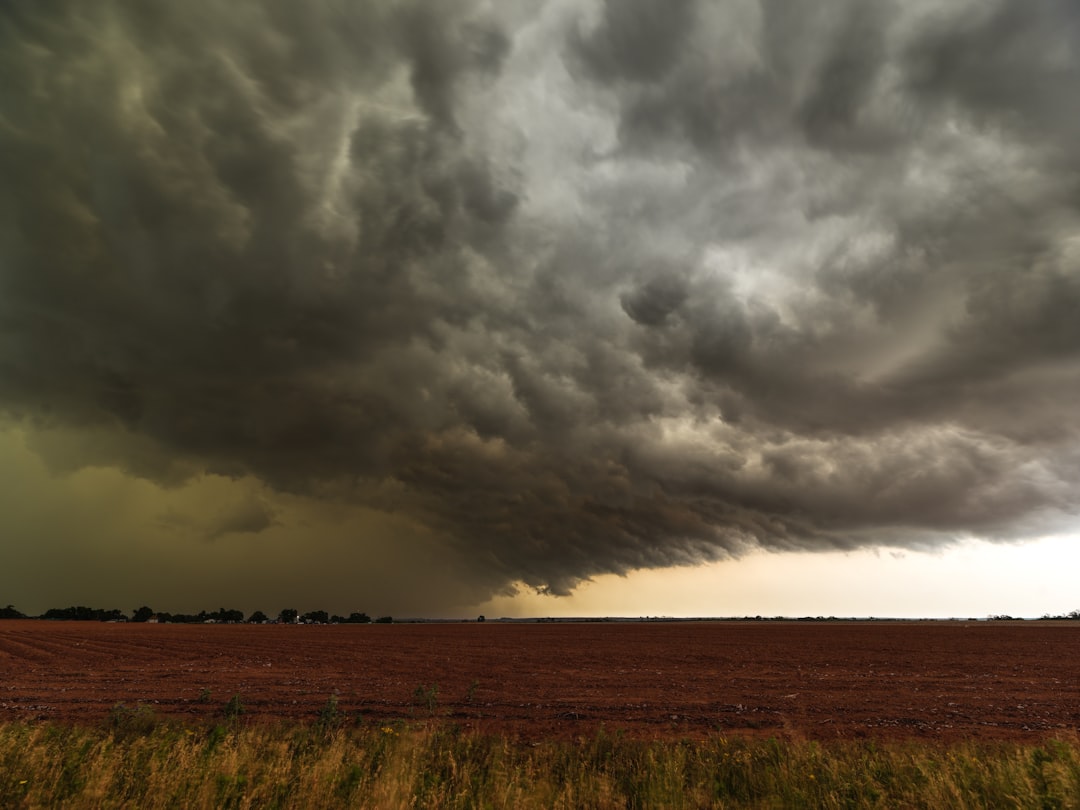
Summer, spanning from June to August, is characterized by high heat and humidity. Temperatures often soar into the 90s°F, making it the hottest season. Thunderstorms and occasional hurricanes may lead to sudden downpours, so it’s wise to keep an eye on the weather forecasts during this time.
Fall
Fall (September to November) sees a gradual cooling with temperatures dropping from the 90s°F in September to the mid-60s in November. This season can still experience tropical storms, but they are less frequent than in summer.
Winter
Winter months, from December to February, are generally mild in Houston. Average temperatures can dip to the low 40s°F at night, while daytime readings hover between the 50s and 60s°F. Snow is a rare occurrence, but it’s not completely unheard of.
Understanding Humidity and Rainfall
One of the defining features of Houston weather is its humidity, especially during the summer months. The city often ranks among the most humid areas in the United States. This humidity can make temperatures feel significantly hotter than they actually are. Rainfall is also a critical aspect, with Houston receiving around 50 inches of rain annually, mainly during the spring and summer months.
Preparing for Weather Events
Residents and visitors must be prepared for severe weather events, especially during hurricane season (June to November). Following local weather forecasts and having a safety plan in place can help mitigate risks associated with storms or flooding.
Weather Resources
For accurate and up-to-date information, residents and travelers in Houston should consider utilizing various weather resources. Websites like the National Weather Service (NWS) and local news stations provide reliable forecasts and updates on severe weather.
Conclusion
Houston weather can be unpredictable, but understanding its patterns can help you make informed decisions about your activities. Whether you’re attending a sports event in the summer or enjoying a festival in the fall, being prepared for the climate will enhance your experience in this vibrant city.
Read Also:
Bruce Brown: The Rising Star in American Cinema
Source:
Google Trends
{“@context”:”https://schema.org”,”@type”:”FAQPage”,”mainEntity”:[{“@type”:”Question”,”name”:”What is the best time to visit Houston based on weather?”,”acceptedAnswer”:{“@type”:”Answer”,”text”:”The best time to visit Houston is during the spring (March to May) or fall (September to November) when temperatures are mild and the humidity is lower.”}},{“@type”:”Question”,”name”:”Does it snow in Houston?”,”acceptedAnswer”:{“@type”:”Answer”,”text”:”Snow is very rare in Houston; however, light snowfall can occur occasionally during severe winter weather.”}}]}