


Everything You Need to Know About the Lyrids Meteor Shower 2023
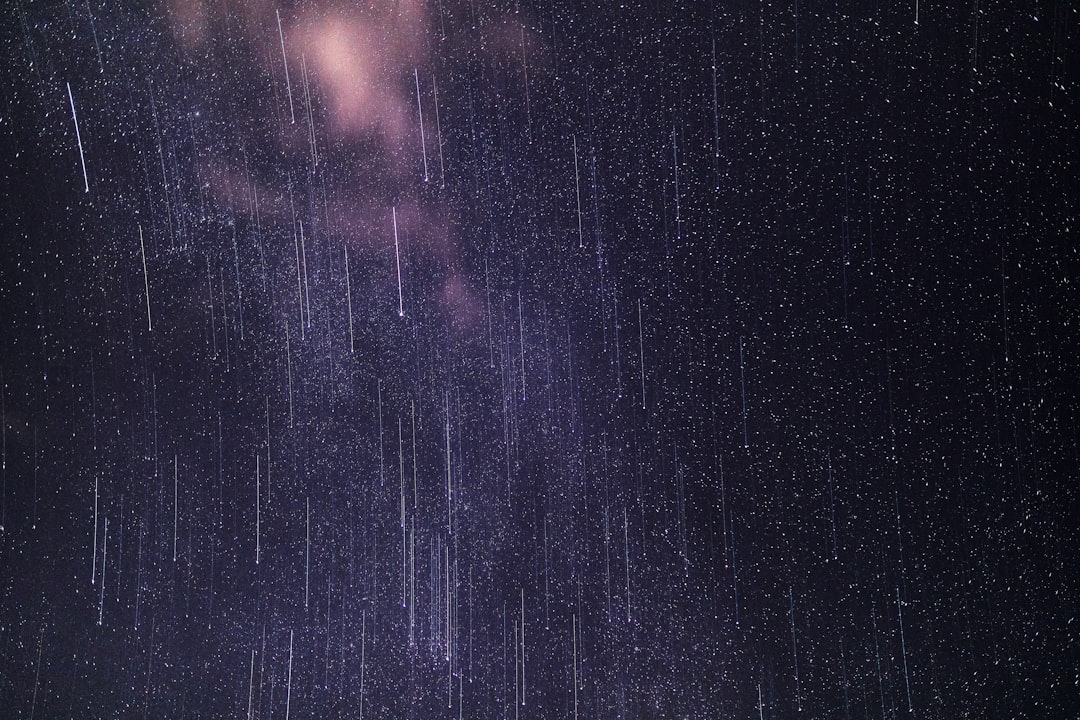
The Lyrids Meteor Shower: A Celestial Spectacle You Don’t Want to Miss
As spring unfolds, one of the most anticipated astronomical events occurs—the Lyrids meteor shower. This annual display is set to grace the night skies in 2023, offering a spectacular celestial show for stargazers across the United States.
When to See the Lyrids Meteor Shower 2023
The Lyrids are expected to peak between April 16 and April 25, with the best viewing conditions occurring on the morning of April 22. Early mornings just before dawn are prime time for watching meteors streak across the sky. However, dedicated observers can catch glimpses of the shower on any night during this window.
Understanding the Lyrids Meteor Shower
The Lyrids are one of the oldest recorded meteor showers, first documented by Chinese astronomers over 2,500 years ago. Each year, the Earth passes through the debris left behind by the comet C/1861 G1 Thatcher, which is the source of the Lyrids. As tiny particles enter our atmosphere at high speeds, they burn up and create stunning trails of light.
How to Observe the Lyrids Meteor Shower
To fully enjoy the Lyrids meteor shower, consider these tips:
- Find a Dark Location: Leave city lights behind and head to darker areas away from urban pollution.
- Settle In: Bring blankets or chairs to sit back comfortably and enjoy the show.
- Look Up: The meteors can appear in any part of the sky, so it’s essential to take a good look around.
- Be Patient: Allow your eyes about 20 minutes to adjust to the darkness for optimal viewing.
What to Expect: The Lyrids’ Unique Characteristics
While the Lyrids may not be the most active meteor shower, it is renowned for its bright and fast meteors, with speeds reaching up to 110,000 miles per hour. Typically, observers can expect to see around 10 to 20 meteors per hour at peak times. The Lyrids can also produce occasional fireballs, which are larger meteors that appear particularly bright.
Why the Lyrids Matter
Meteor showers, like the Lyrids, provide a unique opportunity to connect with the cosmos. They remind us of our place in the universe and inspire awe about the natural wonders of the world. The Lyrids are not only stunning to behold but also serve as an educational experience about astronomy and the workings of our solar system.
Conclusion: Don’t Miss the Lyrids Meteor Shower 2023
This April, take a moment to wander outside and witness the Lyrids meteor shower. Whether you’re a seasoned astronomer or a curious novice, the Lyrids offer a wonderful opportunity to experience the beauty of our night sky. Spread the word and gather friends and family for this exciting celestial event!
Read Also:
New Zealand vs Bangladesh: A Trending Rivalry in U.S. Cricket
Source:
Google Trends
{“@context”:”https://schema.org”,”@type”:”FAQPage”,”mainEntity”:[{“@type”:”Question”,”name”:”What are the Lyrids meteor shower?”,”acceptedAnswer”:{“@type”:”Answer”,”text”:”The Lyrids meteor shower is an annual celestial event resulting from debris left by comet C/1861 G1 Thatcher.”}},{“@type”:”Question”,”name”:”When is the best time to see the Lyrids?”,”acceptedAnswer”:{“@type”:”Answer”,”text”:”The peak of the Lyrids meteor shower will occur between April 16 and April 25, with the best viewing on April 22.”}},{“@type”:”Question”,”name”:”How can I best observe the Lyrids?”,”acceptedAnswer”:{“@type”:”Answer”,”text”:”Find a dark location away from city lights, sit back comfortably, and allow your eyes to adjust to the dark for optimal viewing.”}},{“@type”:”Question”,”name”:”How many meteors can I expect to see?”,”acceptedAnswer”:{“@type”:”Answer”,”text”:”Typically, observers can see 10 to 20 meteors per hour at peak times during the Lyrids.”}}]}