


Understanding San Francisco Weather: Trends and Insights
Understanding San Francisco Weather: Trends and Insights
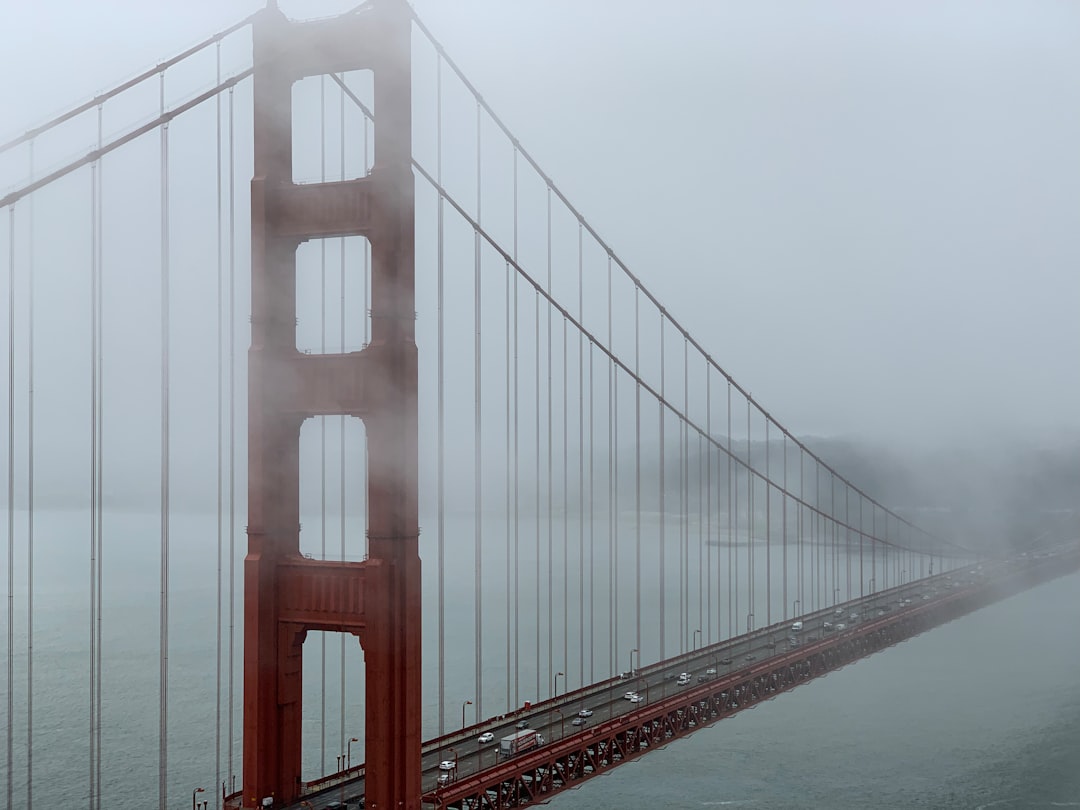
San Francisco, renowned for its iconic Golden Gate Bridge and diverse culture, is equally famous for its unique weather. Located on the coast of California, the city experiences a Mediterranean climate characterized by cool summers, mild winters, and a frequent phenomenon known as fog. In this blog post, we will delve into the trending aspects of San Francisco weather, how it affects daily life, and some tips for visitors.
The Climate of San Francisco
The Bay Area boasts a climate that is moderated by its proximity to the Pacific Ocean. San Francisco typically enjoys mild temperatures year-round. The average temperature ranges from 51°F in winter to 64°F in summer, with fog rolling in during the late spring and summer months. This fog, locally known as ‘Karl’, often arrives in the late afternoon, offering a refreshing contrast to the city’s warmth.
Current Weather Trends in San Francisco
Recently, San Francisco’s weather patterns have been trending due to various climatic phenomena. An influx of heatwaves has been noted, particularly in the summer months, pushing temperatures slightly above the historical averages. According to climate scientists, these fluctuations can be attributed to both local and global environmental factors.
Impacts on Daily Life
The variable weather can lead to challenges for residents and visitors alike. Cold winds and sudden temperature shifts necessitate layers, making it essential for locals to keep a light jacket handy at all times. For those who prefer sunbathing or outdoor activities, it’s crucial to choose the right time of day, ideally in the morning when the sun is out and the winds are calmer.
When to Visit San Francisco
Understanding the weather is key to planning your visit to San Francisco. The best time to explore the city is during the fall (September to November) when the weather is pleasant, and the fog is significantly reduced. Spring can also be delightful, especially for outdoor activities like hiking in the nearby Marin Headlands or a stroll through Golden Gate Park.
Tips for Navigating San Francisco Weather
- Layer Up: The fluctuating temperatures call for versatile clothing options. Dress in layers to easily adjust to changes throughout the day.
- Carry a Jacket: Always bring a light jacket or sweater. The fog can roll in unexpectedly, bringing a chill.
- Stay Hydrated: Despite the cooler temperatures, hydration is key. Carry a water bottle, particularly if you’re exploring outdoor attractions.
- Check the Forecast: Reliable weather apps or local news websites can offer accurate forecasts, helping you plan your day effectively.
Conclusion
In summary, San Francisco’s weather is characterized by mild temperatures, oceanic influences, and notable fog. Understanding these patterns can greatly enhance your experience, whether you are a resident or a tourist. Embrace the quirks of SF weather, and you may find that they become part of the city’s charm and allure.
Read Also:
Seattle Seahawks: The Rising Tide of Success in the NFL
Source:
Google Trends
{“@context”:”https://schema.org”,”@type”:”FAQPage”,”mainEntity”:[{“@type”:”Question”,”name”:”What is the average temperature in San Francisco?”,”acceptedAnswer”:{“@type”:”Answer”,”text”:”The average temperature in San Francisco ranges from 51u00b0F in winter to 64u00b0F in summer.”}},{“@type”:”Question”,”name”:”When is the best time to visit San Francisco?”,”acceptedAnswer”:{“@type”:”Answer”,”text”:”The best time to visit San Francisco is during the fall (September to November) when the weather is typically pleasant.”}}]}