


Understanding Chicago Weather: A Comprehensive Guide
Understanding Chicago Weather: A Comprehensive Guide
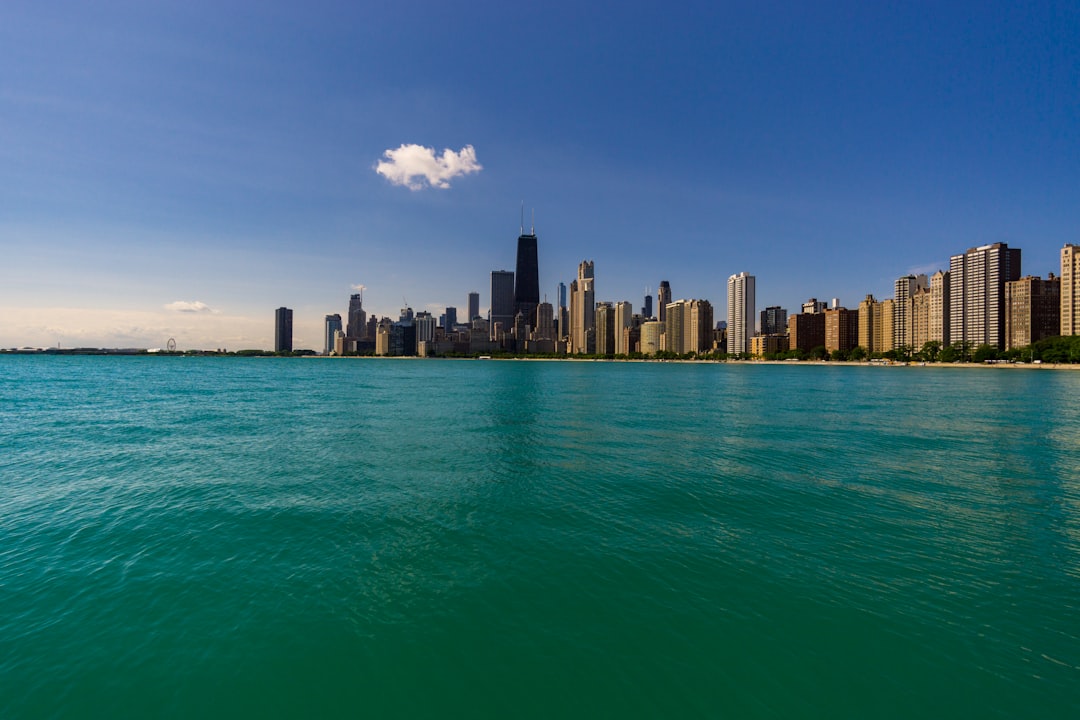
Chicago, known for its stunning skyline and vibrant culture, is also famous for its distinct weather patterns. If you’re planning a visit or a move, understanding the city’s climate can significantly enhance your experience. In this article, we’ll break down what to expect throughout the year, key seasonal changes, and essential tips for navigating the Windy City’s climate.
Year-Round Overview of Chicago’s Weather
Chicago experiences a humid continental climate, characterized by four distinct seasons: cold winters, warm summers, and transitions during spring and fall. Each season brings unique weather conditions that shape the lifestyle and activities in the city.
Winter: Chilling Temperatures and Heavy Snow
From December to February, temperatures in Chicago can plummet. It’s not unusual for the mercury to dip below freezing, and heavy snowfall can lead to beautiful winter landscapes but also challenging travel conditions. The average winter temperature hovers around 20°F (-6°C) to 30°F (-1°C).
Spring: A Welcoming Bloom
As winter thaws, spring (March to May) brings a welcome change with temperatures ranging from 40°F (4°C) to 70°F (21°C). This season is marked by occasional rain showers and the blooming of flowers, making it a perfect time for outdoor activities. Spring in Chicago is also known for its unpredictable weather; a sunny day could turn to rain in a matter of hours.
Summer: Hot and Humid
June to August features warm temperatures, typically ranging from 70°F (21°C) to 90°F (32°C), combined with high humidity levels. The heat can be oppressive, making air conditioning a must in many buildings. Chicagoans embrace summer with festivals, lakefront activities, and rooftop bars, making the most of the vibrant city life.
Fall: A Colorful Transition
From September to November, Chicago dons its autumn attire with beautiful fall foliage and milder temperatures. The weather begins to cool, typically from 60°F (16°C) in September to 40°F (4°C) in November. Fall is an excellent time for festivals and outdoor events before the harsh winter settles in.
Severe Weather Alerts
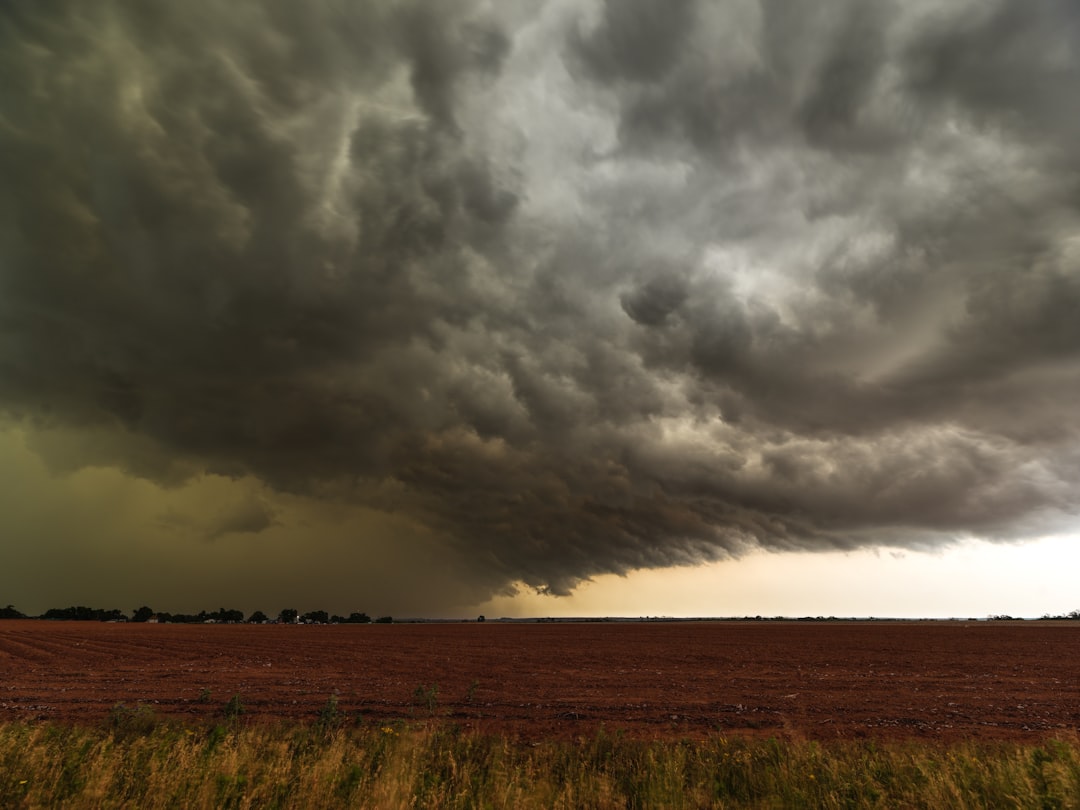
Chicago is also prone to severe weather events, including thunderstorms, tornadoes, and extreme cold. It’s crucial to stay informed about weather alerts and warnings during these periods. The city has a comprehensive emergency management system in place to ensure the safety of its residents and visitors.
Tips for Navigating Chicago’s Weather
- Layer Up in Winter: With frigid temperatures, layering is essential. Invest in a quality winter coat, thermal socks, and accessories like hats and gloves.
- Stay Hydrated in Summer: Summer heat can be draining. Always carry water, wear light clothing, and take breaks from the sun.
- Don’t Let Rain Ruin Your Fun: Spring and fall often bring rain. Keep a compact umbrella or raincoat handy to enjoy outdoor activities regardless of the weather.
Conclusion
Understanding Chicago weather is key to fully enjoying your time in this vibrant city. By being prepared for various conditions, you can dive into the rich experiences that Chicago has to offer year-round, from summer festivals to winter markets. Embrace the changing seasons, and you’ll discover a city that is alive with culture, regardless of the weather!
Read Also:
The Future of Transportation: James Peoples Transfers Penn State
Source:
Google Trends
{“@context”:”https://schema.org”,”@type”:”FAQPage”,”mainEntity”:[{“@type”:”Question”,”name”:”What is the best time to visit Chicago?”,”acceptedAnswer”:{“@type”:”Answer”,”text”:”The best time to visit Chicago is during spring (March to May) and fall (September to November) when the weather is mild and pleasant.”}},{“@type”:”Question”,”name”:”How cold does it get in Chicago during winter?”,”acceptedAnswer”:{“@type”:”Answer”,”text”:”During winter, temperatures in Chicago can drop below freezing, averaging between 20u00b0F (-6u00b0C) to 30u00b0F (-1u00b0C).”}}]}