


Exploring Omaha Weather: Your Ultimate Guide to Current Trends
Understanding Omaha Weather: A Deep Dive into Current Trends
Omaha, Nebraska, is known for its diverse weather conditions, which can change rapidly throughout the year. Whether you are a resident or just planning to visit, it’s essential to stay updated on Omaha weather trends. In this blog post, we’ll explore the key aspects of Omaha’s climate, seasonal variations, and tips for dealing with its conditions.
Year-Round Weather Overview
The weather in Omaha varies significantly from season to season. Summers are typically hot and humid, while winters can be cold and snowy. Spring and fall are transitional seasons that can be unpredictable. On average, Omaha experiences:
- Winter (December – February): Average temperatures range from 15°F to 30°F, with snow accumulation often exceeding 20 inches.
- Spring (March – May): Temperatures gradually rise, ranging from the mid-30s to low 70s. This season also brings the potential for thunderstorms.
- Summer (June – August): Expect highs in the upper 80s and low 90s with high humidity levels.
- Fall (September – November): Temperatures drop from the 70s in September to the 30s by November, with beautiful fall foliage.
Current Omaha Weather Trends
As of October 2023, Omaha’s weather is experiencing a noticeable trend towards more variability due to climate change. Residents and long-term visitors have noticed fluctuations in temperature and precipitation patterns. For example, 2023 has brought unusual warmth extending further into autumn compared to previous years, leading to questions about what this means for winter.
Impacts of Climate Change
Experts suggest that climate change may be contributing to harsher weather events and longer periods of extreme temperatures. Rainfall patterns are also changing, leading to periods of drought followed by intense rainfall. Residents should prepare for these shifts by staying informed through local weather services and updates.
How to Prepare for Omaha’s Weather
Being prepared is key to coping with the diverse Omaha weather. Here are some tips:
- Stay Informed: Use reliable weather apps or local news outlets to get real-time updates.
- Dress in Layers: Since temperatures can vary greatly from morning to evening, dressing in layers is always a good idea.
- Emergency Kit: Prepare an emergency weather kit that includes essentials like flashlights, batteries, food, and water, especially during severe weather seasons.
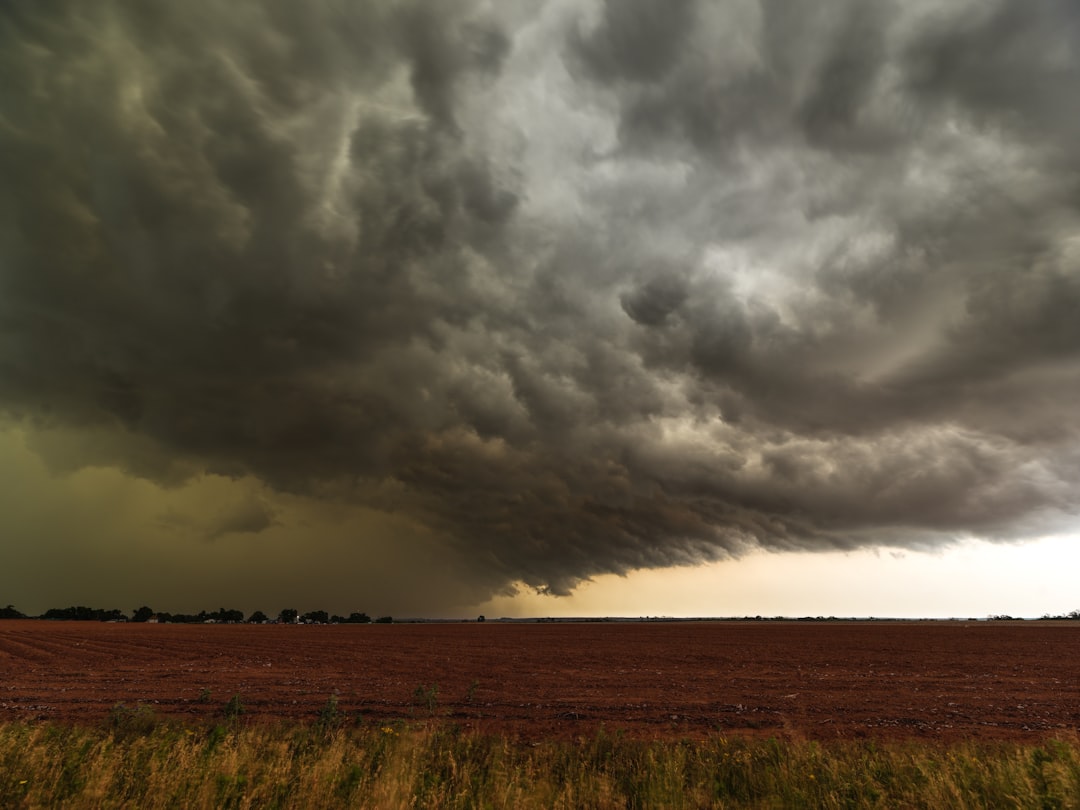
- Be Aware of Severe Weather Alerts: Omaha is prone to thunderstorms and tornadoes, particularly in the spring and summer. Familiarize yourself with local alert systems.
In Conclusion
Omaha weather is as complex as it is captivating. Understanding the current trends and preparing adequately can help residents and visitors alike enjoy their time in this vibrant city, regardless of the season. By staying informed and adapting to changes, you can make the most of everything Omaha has to offer.
Read Also:
Lipscomb Basketball: A Rising Force in College Hoops
Source:
Google Trends
{“@context”:”https://schema.org”,”@type”:”FAQPage”,”mainEntity”:[{“@type”:”Question”,”name”:”What is the average temperature in Omaha during winter?”,”acceptedAnswer”:{“@type”:”Answer”,”text”:”The average temperature in Omaha during winter ranges from 15u00b0F to 30u00b0F.”}},{“@type”:”Question”,”name”:”How often does Omaha experience thunderstorms?”,”acceptedAnswer”:{“@type”:”Answer”,”text”:”Omaha experiences thunderstorms primarily during the spring and summer months.”}},{“@type”:”Question”,”name”:”What should I include in my emergency weather kit?”,”acceptedAnswer”:{“@type”:”Answer”,”text”:”Your emergency weather kit should include flashlights, batteries, food, water, and any necessary medications.”}}]}