


Dallas Weather: A Comprehensive Guide to the Climate in the Lone Star State

Exploring Dallas Weather: Your Ultimate Guide
Dallas, Texas, is known for its vibrant culture, bustling economy, and diverse population. However, one of the key factors that shapes life in this city is its weather. Understanding Dallas weather is essential for both residents and visitors to prepare for the seasonal changes.
Climate Overview
Dallas is characterized by a humid subtropical climate, which means hot summers, mild winters, and plenty of sunshine throughout the year. This climate type is ideal for those who enjoy outdoor activities, as the city offers numerous parks, recreational areas, and events year-round.
Seasonal Breakdown of Dallas Weather
Spring (March to May)
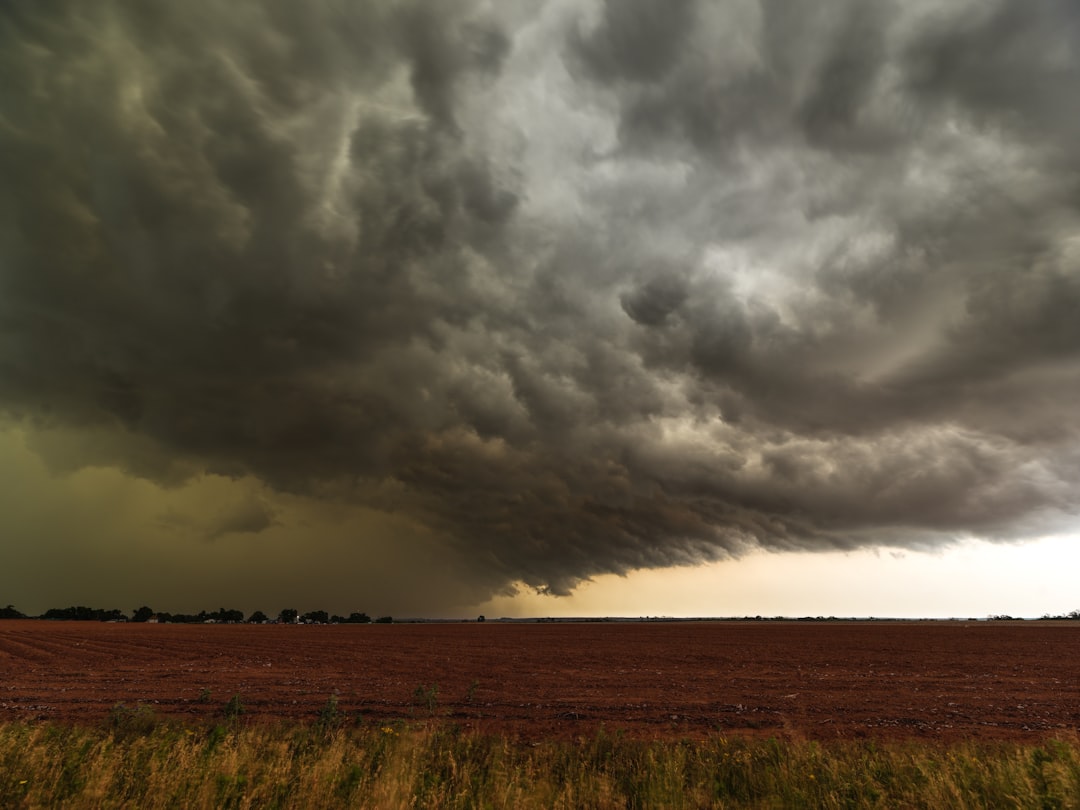
Spring in Dallas is one of the most pleasant times of the year. Temperatures start to rise, averaging between 60°F (15°C) to 80°F (27°C). However, spring also brings severe thunderstorms, and it’s common to experience heavy rainfall during this season. Residents should stay updated on weather forecasts, especially during April and May when tornadoes are more likely to occur.
Summer (June to August)
Summers in Dallas can be scorching, with temperatures frequently climbing above 95°F (35°C). The city experiences high humidity levels, which can make it feel even hotter. Despite the heat, summer offers a vibrant atmosphere filled with outdoor concerts, festivals, and sports events. Those spending time outdoors should stay hydrated and wear sunscreen to protect themselves from the intense sun.
Fall (September to November)
Fall is another beautiful season in Dallas, with temperatures gradually cooling down from the summer highs. September still sees some warm days, but by November, temperatures typically range from 45°F (7°C) to 70°F (21°C). The changing leaves and mild temperatures make this an ideal time for outdoor activities like hiking or visiting local parks.
Winter (December to February)
Winters in Dallas are relatively mild compared to many other parts of the country. Average temperatures range from 30°F (-1°C) to 60°F (16°C). While snowfall is infrequent, it does occur occasionally, and the city is equipped to handle it. Winter is a great time to enjoy indoor activities, including visiting art galleries, museums, and local dining spots.
Weather Trends and Climate Change
In recent years, Dallas has experienced noticeable changes in its weather patterns. With climate change affecting global temperatures, the region has seen more extreme heat events and unpredictable weather. It’s essential for residents to stay informed about these trends, ensuring they are prepared for both hotter summers and unexpected winter weather.
Tips for Navigating Dallas Weather
- Always check the weather forecast before planning your day, especially in spring and summer.
- Invest in sun protection measures, such as sunscreen and UV-protective clothing.
- Stay hydrated during the hot months, and avoid outdoor activities during the peak heat hours.
- Be aware of any severe weather alerts, particularly during the spring storm season.
Conclusion
Dallas weather is a blend of heat, sunshine, and occasional storms that shapes the lifestyle of its residents. By understanding the seasonal changes and staying informed, you can make the most of your time in this dynamic city. Whether you’re visiting or call Dallas home, knowing what to expect out of the weather will enhance your experience.
Read Also:
Your Complete Guide to Cincinnati Weather: Trends and Insights
Source:
Google Trends
{“@context”:”https://schema.org”,”@type”:”FAQPage”,”mainEntity”:[{“@type”:”Question”,”name”:”What is the average temperature in Dallas during summer?”,”acceptedAnswer”:{“@type”:”Answer”,”text”:”Summer temperatures in Dallas can soar above 95u00b0F (35u00b0C), making it one of the hottest times of the year.”}},{“@type”:”Question”,”name”:”Does it snow in Dallas?”,”acceptedAnswer”:{“@type”:”Answer”,”text”:”While snowfall is infrequent, Dallas can experience light snow during the winter months.”}},{“@type”:”Question”,”name”:”What months are the rainy season in Dallas?”,”acceptedAnswer”:{“@type”:”Answer”,”text”:”Typically, April and May are the rainiest months in Dallas, with frequent thunderstorms.”}},{“@type”:”Question”,”name”:”How can I prepare for severe weather in Dallas?”,”acceptedAnswer”:{“@type”:”Answer”,”text”:”Stay informed by following local weather updates, have an emergency kit ready, and know your safe locations during storms.”}}]}