


Understanding Watch vs Warning: Essential Weather Alerts in the United States
Understanding Watch vs Warning: Essential Weather Alerts in the United States
In the United States, the difference between a weather watch and a warnings is crucial for safeguarding lives and property. With extreme weather becoming increasingly common, understanding these terms can help you prepare appropriately.
What is a Weather Watch?
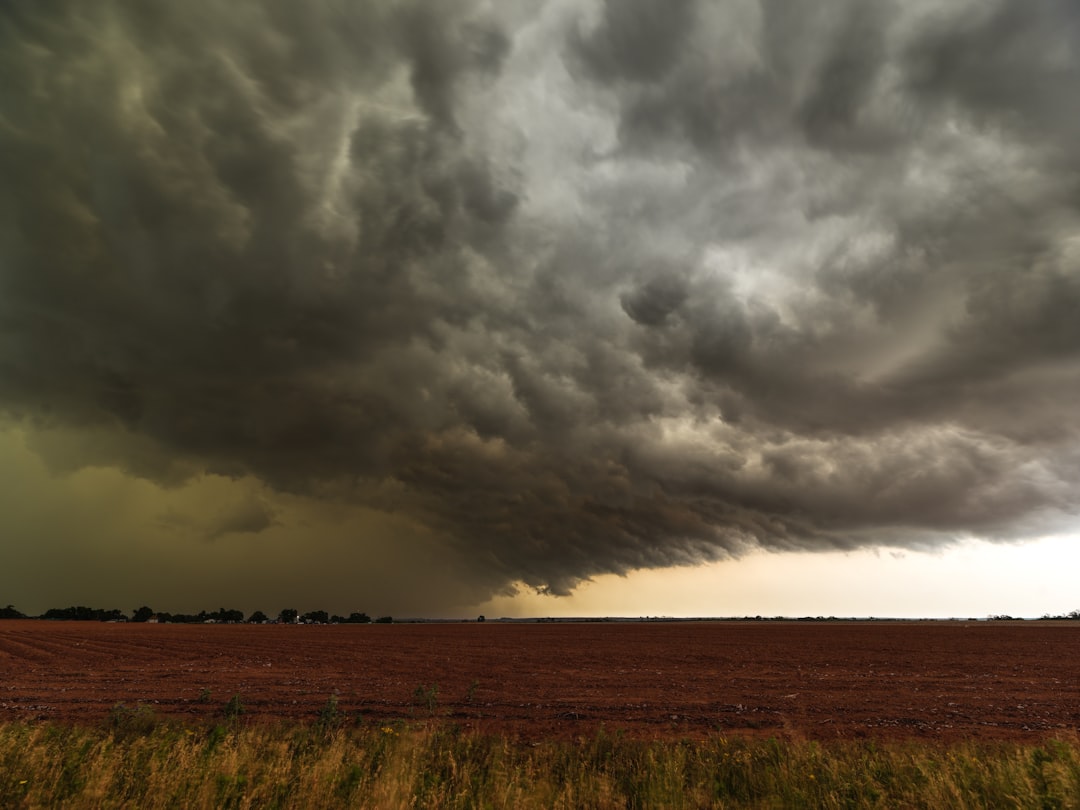
A weather watch means conditions are favorable for the development of severe weather. When a watch is issued, it indicates that meteorologists are forecasting potentially dangerous weather, such as tornadoes or thunderstorms. This does not mean that the hazardous weather is currently occurring; rather, it is a heads-up to stay alert and prepare.
What is a Weather Warning?
A weather warning, on the other hand, indicates that severe weather is either occurring or imminent. This means that immediate action is required as you might experience dangerous conditions shortly. A warning is a clear signal to seek shelter, evacuate, or take necessary precautions.
Types of Watches and Warnings
There are various types of watches and warnings generated for different weather conditions. Below are some common examples:
- Tornado Watch: Indicates that conditions are right for tornado formation.
- Tornado Warning: Issued when a tornado has been sighted or indicated by radar.
- Severe Thunderstorm Watch: Conditions are favorable for severe thunderstorms.
- Severe Thunderstorm Warning: Severe thunderstorms are occurring or are imminent.
- Flood Watch: Conditions are right for flooding to occur.
- Flood Warning: Flooding is occurring or expected in the near future.
How to Prepare for Watches and Warnings
Preparation is key when it comes to severe weather alerts. Here are some tips to help you get ready:
- Stay Informed: Follow local news or weather radio for updates on watches and warnings.
- Create an Emergency Plan: Have a plan for where to go and what to do in case of severe weather.
- Gather Supplies: Keep an emergency kit ready with essentials like food, water, medications, and a flashlight.
- Know Your Community’s Alert System: Many communities have alert systems that will notify you of severe weather via text or email.
Conclusion
Understanding the difference between a watch and a warning is essential for your safety and preparedness during extreme weather events. By recognizing these alerts and taking appropriate action, you can protect yourself and your loved ones from nature’s fury.
In the ever-evolving climate landscape, being educated and prepared is more important than ever. Stay informed, stay prepared, and remember: a watch means to watch out, while a warning means to take action.
Read Also:
Embracing the Out and Out Strands: The Latest Trend in the United States
Source:
Google Trends
{“@context”:”https://schema.org”,”@type”:”FAQPage”,”mainEntity”:[{“@type”:”Question”,”name”:”What should I do during a weather watch?”,”acceptedAnswer”:{“@type”:”Answer”,”text”:”During a weather watch, stay informed and be prepared to take action if a warning is issued.”}},{“@type”:”Question”,”name”:”Is a watch more serious than a warning?”,”acceptedAnswer”:{“@type”:”Answer”,”text”:”No, a weather watch indicates possible severe weather, while a warning indicates that severe weather is occurring or imminent.”}}]}