

Chasing the Northern Lights: A Guide to Spectacular Displays in the United States
The Northern Lights: A Breathtaking Natural Phenomenon
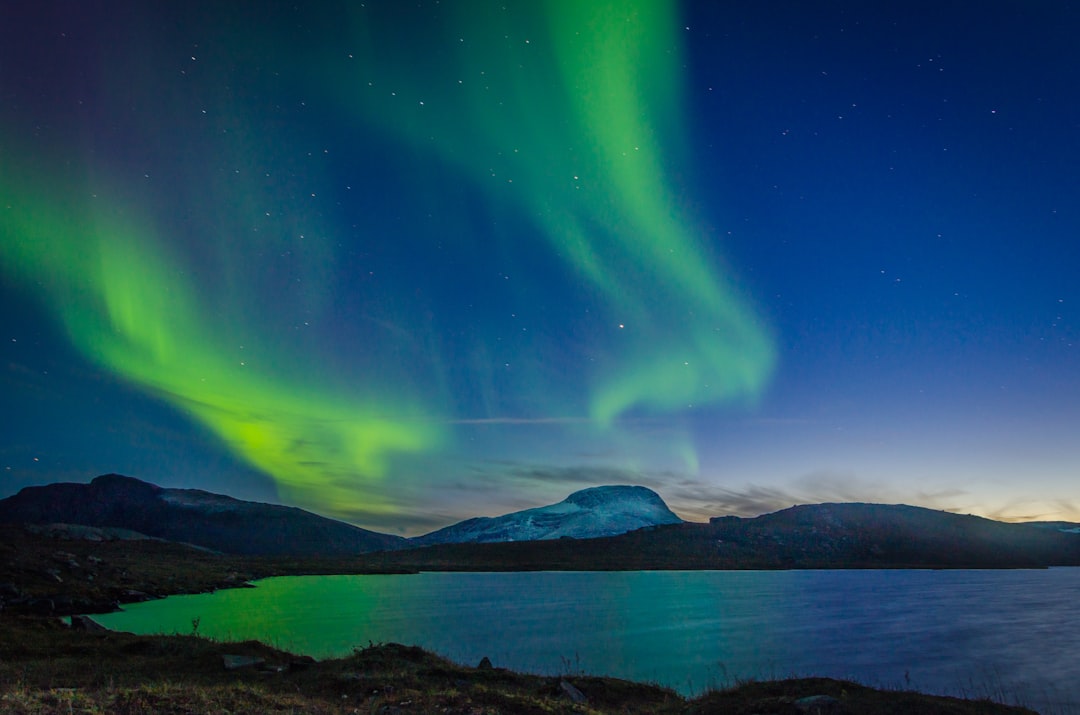
The Northern Lights, or Aurora Borealis, are one of nature’s most stunning displays. These colorful lights paint the night sky with shades of green, purple, and pink, captivating viewers in the northern latitudes. While traditionally associated with places like Norway and Iceland, the Northern Lights are becoming increasingly visible across parts of the United States, especially during peak seasons.
Understanding the Northern Lights
The Northern Lights are caused by solar wind particles colliding with the Earth’s magnetic field. This interaction creates the spectacular light displays seen in polar regions. The best time to view the Northern Lights in the U.S. is during the winter months, typically from November to March, when the nights are longer and darker.
Top Locations in the U.S. to View the Northern Lights
If you’re eager to witness this magical phenomenon, here are some of the best locations in the United States:
- Fairbanks, Alaska: Known as one of the best spots in the world to see the Northern Lights, Fairbanks offers frequent auroral displays and numerous tour options.
- Anchorage, Alaska: Easily accessible and often subject to auroras, Anchorage is perfect for those who want to experience city life as well as nature’s wonders.
- Whitefish, Montana: The Flathead Valley’s clear skies make Whitefish a prime location to catch a glimpse of the auroras with enchanting mountain backdrops.
- Yellowstone National Park: This national park provides a unique opportunity to see the Northern Lights in a stunning geothermal landscape.
- Lake Superior, Minnesota: The North Shore of Lake Superior offers beautiful scenic views and opportunities to experience the auroras along the waters.
How to Enhance Your Northern Lights Experience
To optimize your chances of seeing the Northern Lights, consider the following tips:
- Check the Forecast: Websites and apps like Aurora Forecast or Space Weather can help predict auroral activity.
- Stay Away from City Lights: Light pollution can hinder your view. Head to remote areas where the skies are dark.
- Dress Warmly: Temperatures can drop significantly in Northern latitudes during winter. Dress in layers to stay comfortable.
- Be Patient: The Northern Lights are unpredictable. Bring warm food, drinks, and a cozy blanket while you wait.
Photographing the Northern Lights
If you’re an aspiring photographer, capturing the Northern Lights can be incredibly rewarding. To photograph the auroras, use a camera with manual settings. A tripod and a remote shutter will help avoid shaking, while a wide aperture and long exposure will capture the vibrancy of the lights.
Conclusion: The Allure of the Northern Lights
The Northern Lights continue to draw visitors in search of adventure and beauty. The thrill of witnessing this natural spectacle is something that stays with you long after you leave. Whether you’re planning a trip or simply want to learn more, the Northern Lights are undoubtedly one of nature’s most spectacular gifts.
Read Also:
Paradise Season 3: Everything You Need to Know About the Hit Show Trending in the U.S.
Source:
Google Trends
{“@context”:”https://schema.org”,”@type”:”FAQPage”,”mainEntity”:[{“@type”:”Question”,”name”:”When is the best time to see the Northern Lights in the U.S.?”,”acceptedAnswer”:{“@type”:”Answer”,”text”:”The best time to see the Northern Lights in the U.S. is during the winter months, from November to March, when nights are longer.”}},{“@type”:”Question”,”name”:”What equipment do I need to photograph the Northern Lights?”,”acceptedAnswer”:{“@type”:”Answer”,”text”:”To photograph the Northern Lights, you need a camera with manual settings, a tripod, and a remote shutter for stabilization.”}}]}