



The Origin of the Seven Deadly Sins: A Deep Dive
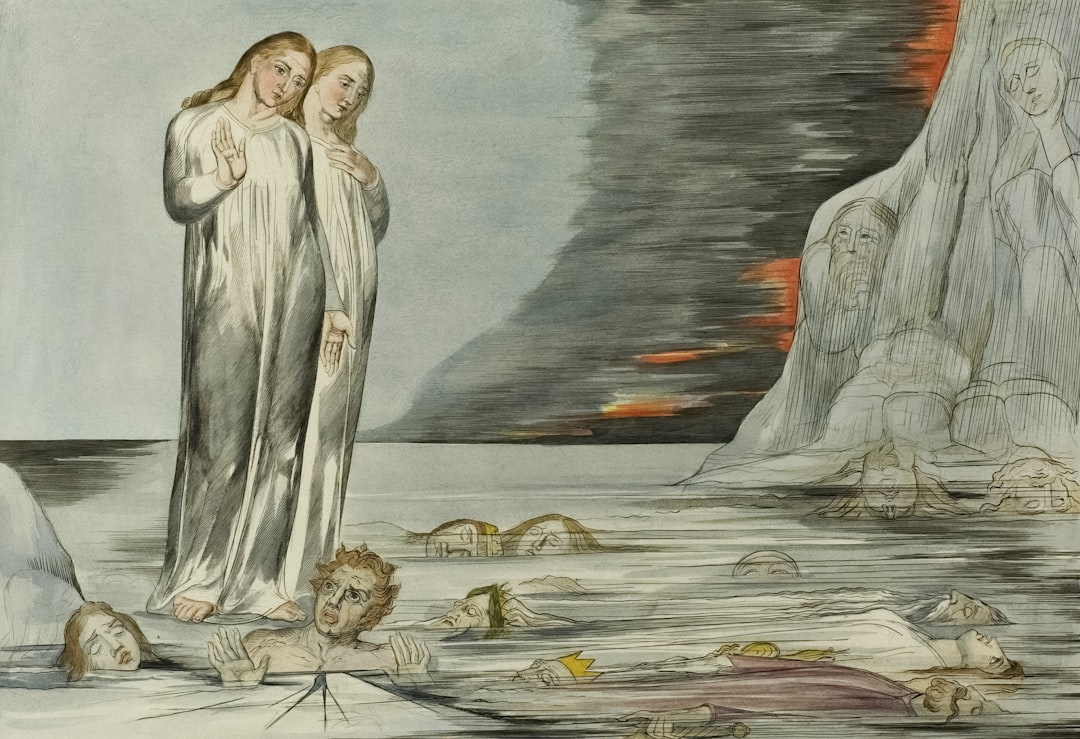
The Origin of the Seven Deadly Sins
The Seven Deadly Sins are a powerful concept that has permeated various aspects of culture, literature, and religion throughout the ages. But where did this idea actually originate? This post explores the historical roots of these sins and their evolution over time, particularly in the context of American society today.
Understanding the Seven Deadly Sins
First, let’s briefly define what the Seven Deadly Sins are: Lust, Gluttony, Greed, Sloth, Wrath, Envy, and Pride. These sins are considered vices in Christian theology and are thought to lead to further sinful behavior.
Historical Context
The concept of deadly sins can be traced back to early Christian teachings. The term itself was popularized by Pope Gregory I in the 6th century, but the ideas surrounding sin existed much earlier. Church fathers like Augustine of Hippo discussed various vices, laying the groundwork for later interpretations. Gregory’s list of seven was designed to categorize and simplify the discussion of sins, making them more accessible to the laity.
From Theology to Culture
Over the centuries, the Seven Deadly Sins transitioned from classroom discussions and theological debates to broader cultural significance. The Middle Ages saw the creation of visual representations, such as paintings and illustrations, that depicted the sins and their implications. With the advent of the Renaissance, these illustrations became more artistic and complex, influencing literature and performances.
The Sins in American Culture
In modern American culture, the Seven Deadly Sins have taken on new meaning. Movies, television shows, and literature have popularized these concepts in ways that resonate with contemporary audiences. From films like “Seven” to the plethora of novels that explore these themes, these vices have become symbols of human flaws and societal issues.
Why are the Seven Deadly Sins Relevant Today?
In today’s fast-paced world, themes of excess, ambition, and human shortcomings resonate strongly. Whether it’s social media influencing gluttony through consumerism or the portrayal of greed in corporate culture, the Seven Deadly Sins provide a framework for understanding contemporary moral dilemmas. Moreover, these themes encourage introspection and self-awareness in a society that often promotes superficial values.
The Seven Deadly Sins in the Digital Age
As we navigate an increasingly digital world, the manifestation of the Seven Deadly Sins is more prevalent than ever. Online platforms often magnify these issues, making it crucial for individuals to recognize and reflect on their behaviors. In a landscape dominated by likes and shares, Lust and Envy can morph into social media addiction and comparison culture, leading to real-world dissatisfaction.
Conclusion
The Seven Deadly Sins originated in early Christian thought, but they have evolved into potent symbols within modern American culture. By reflecting on these vices and their implications, we can gain valuable insights into our own values and societal norms. Understanding their origins and relevance today not only enlightens us about human nature but also encourages us to foster personal growth.
Read Also:
Your Comprehensive Guide to Los Angeles Weather
Source:
Google Trends
{“@context”:”https://schema.org”,”@type”:”FAQPage”,”mainEntity”:[{“@type”:”Question”,”name”:”What are the Seven Deadly Sins?”,”acceptedAnswer”:{“@type”:”Answer”,”text”:”The Seven Deadly Sins are Lust, Gluttony, Greed, Sloth, Wrath, Envy, and Pride, considered key vices in Christian theology.”}},{“@type”:”Question”,”name”:”How did the concept of the Seven Deadly Sins originate?”,”acceptedAnswer”:{“@type”:”Answer”,”text”:”The concept originated in early Christian thought, popularized by Pope Gregory I in the 6th century as a way to categorize vices.”}}]}