


The Spectacular Meteor Shower: A Celestial Event to Catch in the U.S.
Experience the Magic of Meteor Showers in the US
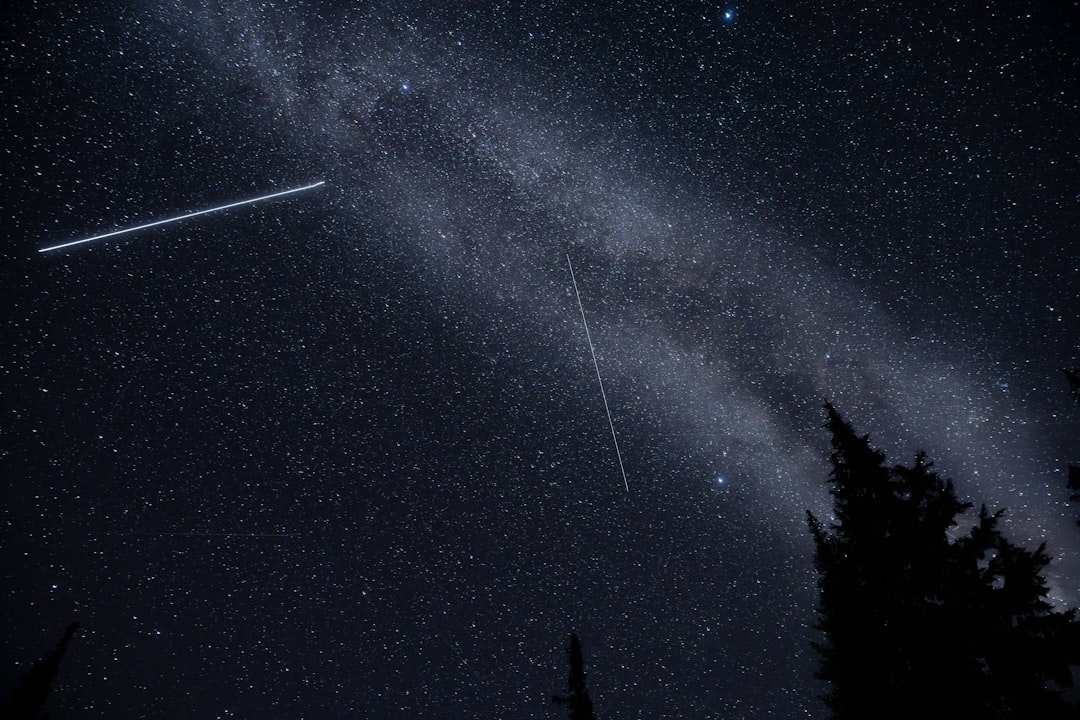
Every year, skywatchers across the United States wait in eager anticipation for meteor showers—one of the most enchanting natural phenomena. As debris from comets and asteroids enters our atmosphere, they disintegrate, creating a stunning display of shooting stars across the night sky. This blog will guide you through everything you need to know about the upcoming meteor shower events, how to view them, and why they are a must-see this season.
What is a Meteor Shower?
A meteor shower occurs when Earth passes through the trail of debris left behind by a comet or asteroid. When these small bits of material enter our atmosphere at high speeds, they burn up, creating bright streaks of light in the sky. Depending on the rate of meteors, these showers can be captivating experiences for both seasoned astronomers and casual observers.
Major Meteor Showers to Watch For
Several meteor showers are prominent throughout the year in the United States. Here are the top three you won’t want to miss:
- Perrseids: Occurring from July 14 to August 24, peaking around August 12-13, the Perseids are known for bright meteors and a chance of fireballs.
- Geminids: Taking place from December 4 to December 17, peaking around December 13-14, Geminids are one of the most reliable and prolific showers, often producing 120 meteors per hour.
- Leonids: With a peak typically around November 17-18, the Leonids can produce spectacular storms in certain years, offering over 20 meteors a minute.
Best Viewing Conditions
To ensure the best experience during a meteor shower:
- Location: Find a dark area, away from city lights—state parks and open fields provide great visibility.
- Timing: Meteor showers are best viewed after midnight when the sky is darkest.
- Comfort: Bring a blanket or a reclining chair to lay back and watch the sky comfortably.
- Weather Check: Make sure to check weather conditions before heading out.
Why Meteor Showers Matter
Meteor showers are not just beautiful spectacles; they hold significant scientific value. By studying meteor trails, scientists gain insight into the composition of our solar system. Additionally, meteor showers can help educate the public, fostering interest in astronomy and science.
Conclusion
Whether you’re an avid astronomer or simply enjoy stargazing, witnessing a meteor shower is a magical experience that ties humanity to the cosmos. Mark your calendars for the upcoming meteor showers, gather your friends and family, and prepare to be awed by the natural beauty of the universe.
Read Also:
Discovering Grand Central: A Timeless Icon in the Heart of New York City
Source:
Google Trends
{“@context”:”https://schema.org”,”@type”:”FAQPage”,”mainEntity”:[{“@type”:”Question”,”name”:”What is the best time to view meteor showers?”,”acceptedAnswer”:{“@type”:”Answer”,”text”:”The best time to view meteor showers is after midnight when the sky is darkest.”}},{“@type”:”Question”,”name”:”How can I see a meteor shower?”,”acceptedAnswer”:{“@type”:”Answer”,”text”:”Find a dark area away from city lights, lay back, and watch the sky, preferably during the peak of the meteor shower.”}}]}