


Understanding Tornado Warnings: What You Need to Know
Tornado Warnings: Your Comprehensive Guide
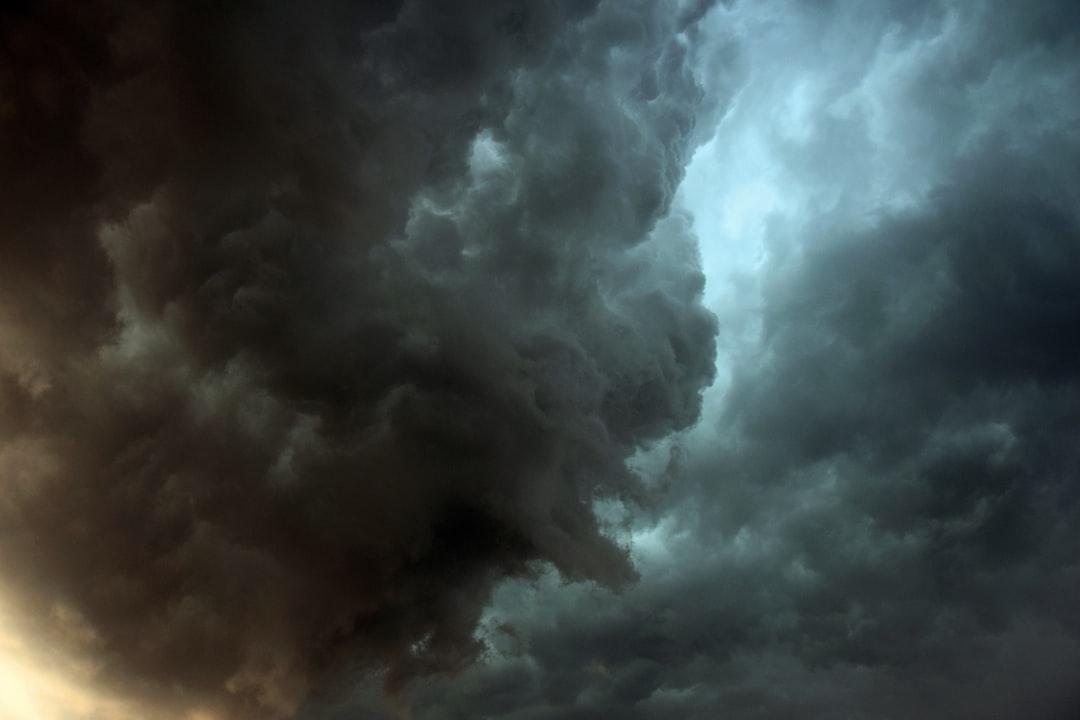
Tornado season is upon us, and in the United States, living in certain areas means being familiar with the term ‘Tornado Warning.’ Understanding what this entails and how to respond can save lives. This blog will discuss what a tornado warning is, the differences between watches and warnings, and how you can stay safe during these severe weather events.
What is a Tornado Warning?
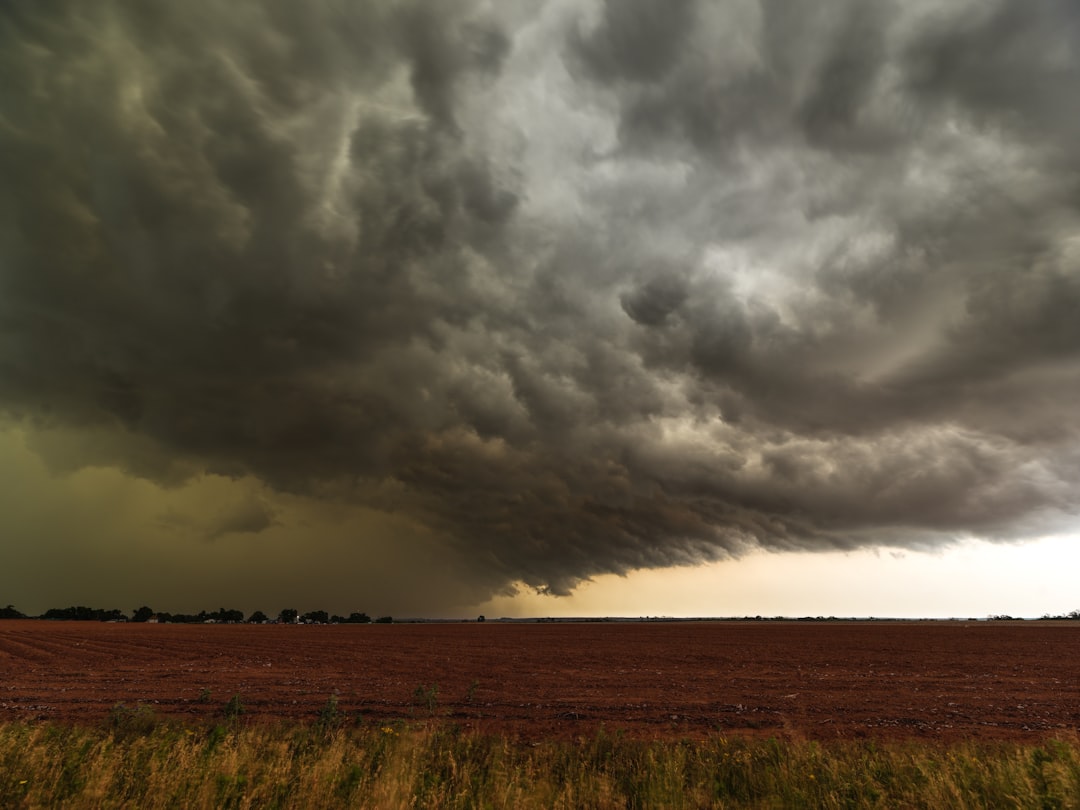
A tornado warning is issued by the National Weather Service (NWS) and indicates that a tornado has been sighted or indicated by radar. When you receive a tornado warning, it means that you need to take action immediately—seek shelter and prepare for potential destruction.
Differentiating Between Tornado Watches and Warnings
Many people confuse tornado watches with warnings. A tornado watch means that conditions are favorable for tornadoes to develop in your area, while a tornado warning indicates that a tornado is occurring or imminent. Understanding these differences is critical for your safety.
Emergency Preparedness for Tornado Season
Preparation is vital when it comes to severe weather. Here are a few steps you can take:
- Stay Informed: Monitor local weather reports and download weather apps that send alerts directly to your phone.
- Create a Communication Plan: Establish a plan with family members on where to go during a tornado warning.
- Build an Emergency Kit: Prepare a kit that includes food, water, a flashlight, batteries, a first-aid kit, and important documents.
- Identify Safe Shelters: Know where to find interior rooms or basements in your home, or identify nearby storm shelters.
What to Do During a Tornado Warning
When a tornado warning is issued, follow these steps to ensure your safety:
- Seek Shelter Immediately: Go to a designated storm shelter, basement, or an interior room on the lowest floor, away from windows.
- Protect Yourself: Use pillows, blankets, or a mattress to shield yourself from debris.
- Listen for Updates: Stay tuned to weather radio or mobile apps for ongoing information.
- Do Not Leave Until It’s Safe: Wait for local authorities to issue an all-clear before coming out of your shelter.
Post-Tornado Safety Tips
After a tornado has passed, safety remains paramount. Here are some important tips:
- Assess Your Surroundings: Carefully check your property for damages, but avoid fallen power lines.
- Seek Help if Needed: Contact emergency services if you encounter anyone injured.
- Document Damage: If safe, take photos for insurance purposes.
Conclusion
Tornado warnings are a crucial element of severe weather preparedness in the United States. By understanding what a tornado warning means and how to respond effectively, you can enhance your safety and that of your loved ones. Stay informed, stay safe, and be prepared for the unpredictable nature of severe weather!
Read Also:
Understanding Power Outages: What You Need to Know Nearby
Source:
Google Trends
{“@context”:”https://schema.org”,”@type”:”FAQPage”,”mainEntity”:[{“@type”:”Question”,”name”:”What should I do if I receive a tornado warning?”,”acceptedAnswer”:{“@type”:”Answer”,”text”:”You should seek shelter immediately in a safe location such as a basement or an interior room away from windows.”}},{“@type”:”Question”,”name”:”How are tornado warnings issued?”,”acceptedAnswer”:{“@type”:”Answer”,”text”:”Tornado warnings are issued by the National Weather Service when a tornado has been sighted or indicated by weather radar.”}},{“@type”:”Question”,”name”:”What’s the difference between a tornado watch and a tornado warning?”,”acceptedAnswer”:{“@type”:”Answer”,”text”:”A tornado watch indicates that conditions are favorable for tornadoes, while a tornado warning means that a tornado has been sighted or indicated.”}}]}