


Winter Storm Warning: What You Need to Know
Winter Storm Warning: What You Need to Know
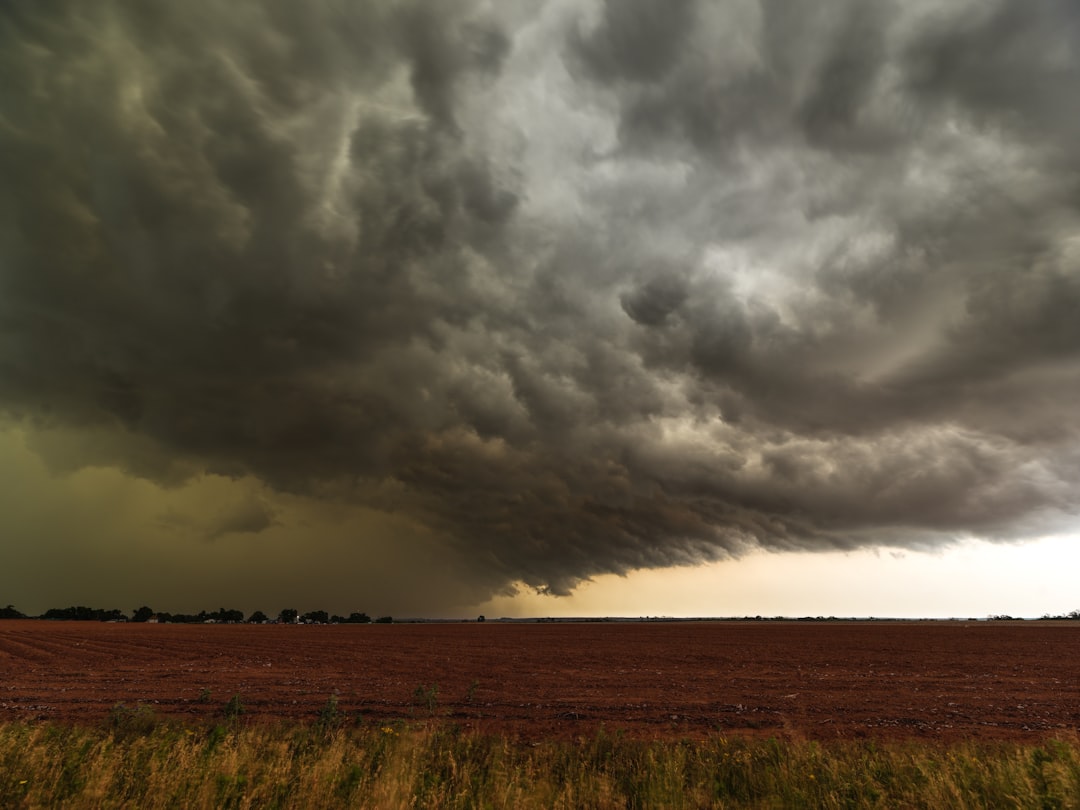
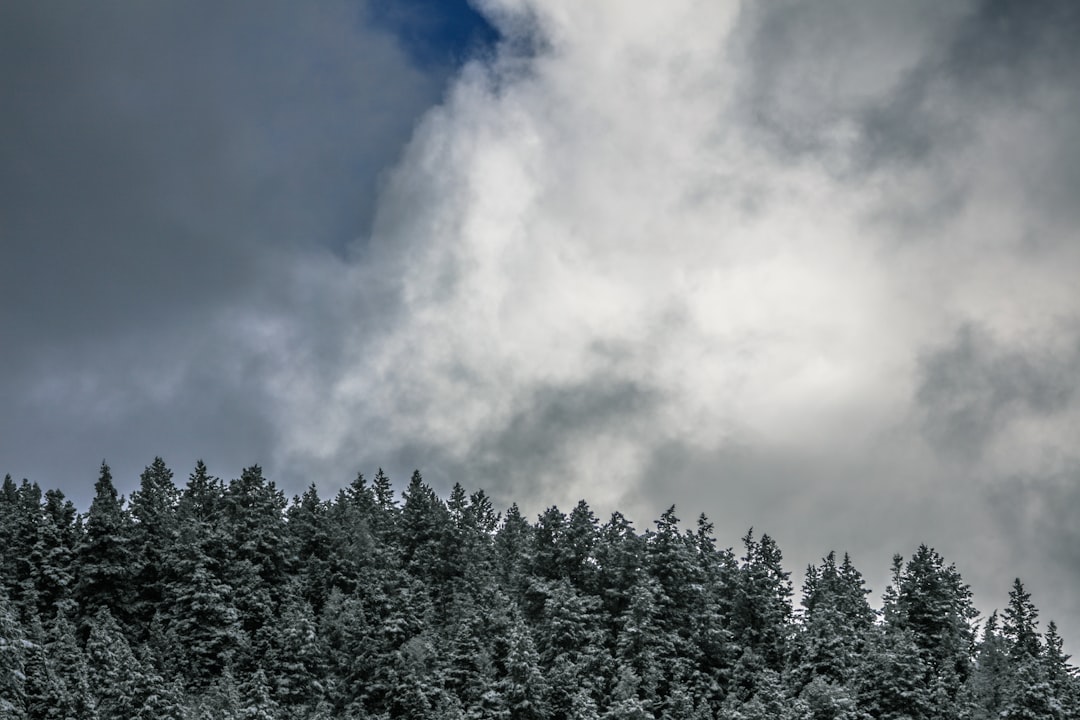
As the winter season approaches, many regions in the United States brace for the potential impacts of severe weather conditions. One of the most critical alerts issued during this time is the ‘Winter Storm Warning.’ Understanding what this means can help you prepare for the impending weather and ensure your safety.
What is a Winter Storm Warning?
A Winter Storm Warning is issued by the National Weather Service (NWS) when a significant winter weather event is expected to produce hazardous conditions. Typically, this includes heavy snowfall, ice accumulation, or a combination of both, often resulting in difficult travel conditions and potential power outages.
What to Expect During a Winter Storm Warning
During a winter storm warning, residents can expect:
- Heavy Snowfall: Accumulations can vary significantly, but heavy snow often leads to reduced visibility and difficult driving conditions.
- Ice Accumulation: Ice can create hazardous road conditions and lead to downed power lines.
- Strong Winds: Winds can exacerbate the impacts of snow and ice, leading to blowing snow and further reducing visibility.
Preparing for a Winter Storm Warning
Preparation is key when a winter storm warning is issued. Here are some essential tips to help you get ready:
- Stay Informed: Monitor local weather updates through reliable sources such as the NWS or local news outlets.
- Emergency Kit: Prepare an emergency kit with essentials like food, water, first aid supplies, and a flashlight.
- Winterize Your Vehicle: Ensure your vehicle is winter-ready with proper tires, antifreeze, and an emergency kit.
- Stay Indoors: During severe weather, stay home if possible to avoid dangerous travel conditions.
Safety Tips During a Winter Storm
When a winter storm warning is in effect, safety should be your top priority. Here are some vital safety tips to follow:
- Avoid Travel: If possible, stay off the roads. If travel is necessary, keep an emergency kit in your vehicle.
- Stay Warm: Use extra blankets, wear layers, and ensure your heating systems are functioning properly.
- Power Outages: Be prepared for power outages by having backup supplies and knowing how to safely use generators.
After the Storm: What to Do
Once the winter storm passes, it’s important to take some initial steps:
- Assess Your Property: Look for any damage and report downed power lines to utilities.
- Clear Snow Safely: Use a snow shovel to clear driveways and sidewalks, taking breaks to prevent exhaustion.
Conclusion
Winter storm warnings are a serious indication that hazardous weather is on the way. By staying informed and prepared, you can keep yourself and your loved ones safe during these challenging conditions.
Read Also:
Understanding the UVA Bomb Threat: What You Need to Know
Source:
Google Trends
{“@context”:”https://schema.org”,”@type”:”FAQPage”,”mainEntity”:[{“@type”:”Question”,”name”:”What should I include in my winter emergency kit?”,”acceptedAnswer”:{“@type”:”Answer”,”text”:”Your winter emergency kit should include food, water, first aid supplies, medications, a flashlight, batteries, and blankets.”}},{“@type”:”Question”,”name”:”How can I prepare my home for a winter storm?”,”acceptedAnswer”:{“@type”:”Answer”,”text”:”Ensure your heating systems are working, insulate your pipes, keep a supply of blankets and food, and have a backup power source if possible.”}}]}