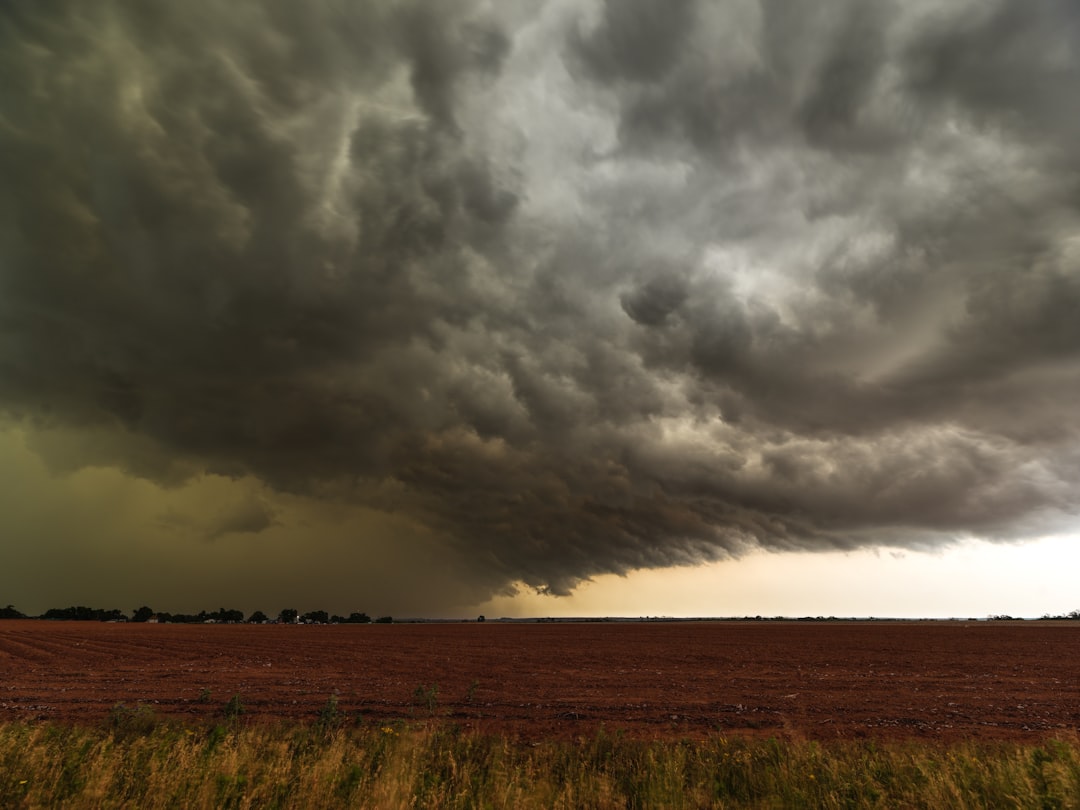



Understanding the Severe Weather Outbreak: Trends and Impact in the United States
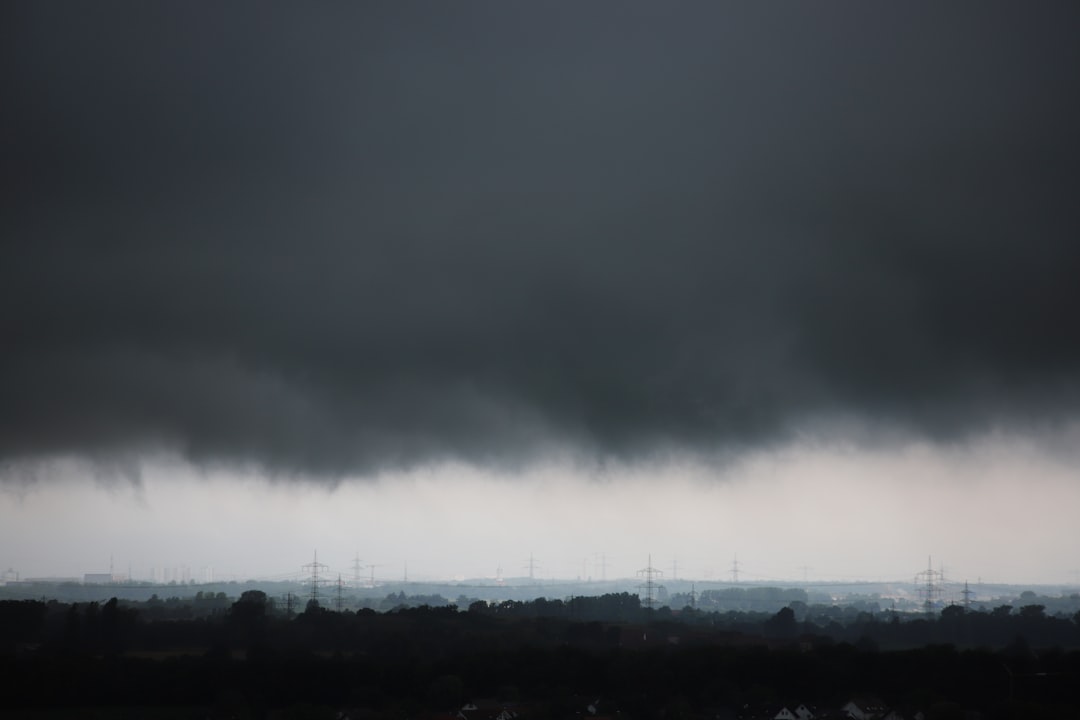
Understanding the Severe Weather Outbreaks in the United States
In recent years, the United States has experienced increasingly frequent and intense severe weather outbreaks, leading to serious consequences for communities and the environment. From tornadoes to damaging winds and heavy rainfall, understanding these phenomena is crucial for preparedness and safety.
What is a Severe Weather Outbreak?
A severe weather outbreak refers to a significant occurrence of severe weather events within a specific region over a short period. These outbreaks often include thunderstorms, tornadic activity, hail storms, and excessive rainfall, posing threats to life and property.
Recent Trends in Severe Weather Events
The trend of severe weather outbreaks in the U.S. is alarming. According to data from the National Weather Service (NWS), the number of severe thunderstorms has doubled over the past three decades due to climatic changes. Meteorological factors, including warmer temperatures and increased humidity, contribute significantly to the intensity and frequency of these events.
Impact of Severe Weather Outbreaks
Severe weather outbreaks can have catastrophic consequences. In addition to loss of life, they can result in widespread property damage, disrupt infrastructure, and have long-term effects on local economies. For instance, in 2021, a severe tornado outbreak resulted in extensive devastation across several states, highlighting the critical need for effective emergency response systems.
Preparedness and Safety Measures
Preparedness is key in mitigating the impacts of severe weather. Here are some essential safety measures:
- Stay Informed: Keep up with weather updates via reliable sources such as the National Weather Service or local meteorologists.
- Emergency Kits: Prepare an emergency kit that includes essentials such as water, non-perishable food, medications, and important documents.
- Community Plans: Ensure you and your family are aware of community emergency plans and evacuation routes.
- Safe Spots: Identify safe locations in your home or workplace where you can take shelter during severe weather.
The Role of Climate Change
Climate change plays a significant role in the increasing frequency of severe weather outbreaks. Rising global temperatures fuel instability in the atmosphere, leading to more intense and unpredictable weather patterns. The awareness of climate change’s impact can encourage individuals and communities to advocate for more sustainable practices to mitigate its effects.
Conclusion: The Importance of Awareness and Preparedness
As severe weather patterns continue to trend upward in the United States, awareness and preparedness are vital. By understanding the nature of severe weather outbreaks and implementing safety measures, individuals can protect themselves and their communities from the devastating effects of these events.
Read Also:
The Rise of Online Lottery in the United States: A Trend to Watch
Source:
Google Trends
{“@context”:”https://schema.org”,”@type”:”FAQPage”,”mainEntity”:[{“@type”:”Question”,”name”:”What causes severe weather outbreaks?”,”acceptedAnswer”:{“@type”:”Answer”,”text”:”Severe weather outbreaks are influenced by atmospheric instability, warm and moist air, and the collision of different air masses, often exacerbated by climate change.”}},{“@type”:”Question”,”name”:”How can I prepare for a severe weather outbreak?”,”acceptedAnswer”:{“@type”:”Answer”,”text”:”Stay informed through weather updates, prepare an emergency kit, familiarize yourself with community plans, and identify safe spots in your home.”}}]}