


Everything You Need to Know About the Lyrids Meteor Shower 2024
The Lyrids Meteor Shower: A Celestial Spectacle
The Lyrids meteor shower is one of the oldest known meteor showers, with recorded observations dating back over 2,600 years. This spectacular natural phenomenon occurs annually, offering a breathtaking display for stargazers. As we approach the peak of the Lyrids in April 2024, let’s explore what you need to know about this celestial event.
When to Watch the Lyrids Meteor Shower
The Lyrids peak typically occurs around April 16-25, with the best viewing opportunities expected from April 22 to April 23 in 2024. During peak nights, viewers can expect to see anywhere from 10 to 20 shooting stars per hour under optimal conditions.
Where to View the Lyrids Meteor Shower
The best locations for watching the Lyrids meteor shower are areas with minimal light pollution, such as national parks or rural areas. Look towards the constellation Lyra, which will be rising in the northeast sky. For the best experience, find a spot away from city lights, lie back, and enjoy the show.
Understanding the Lyrids Meteor Shower
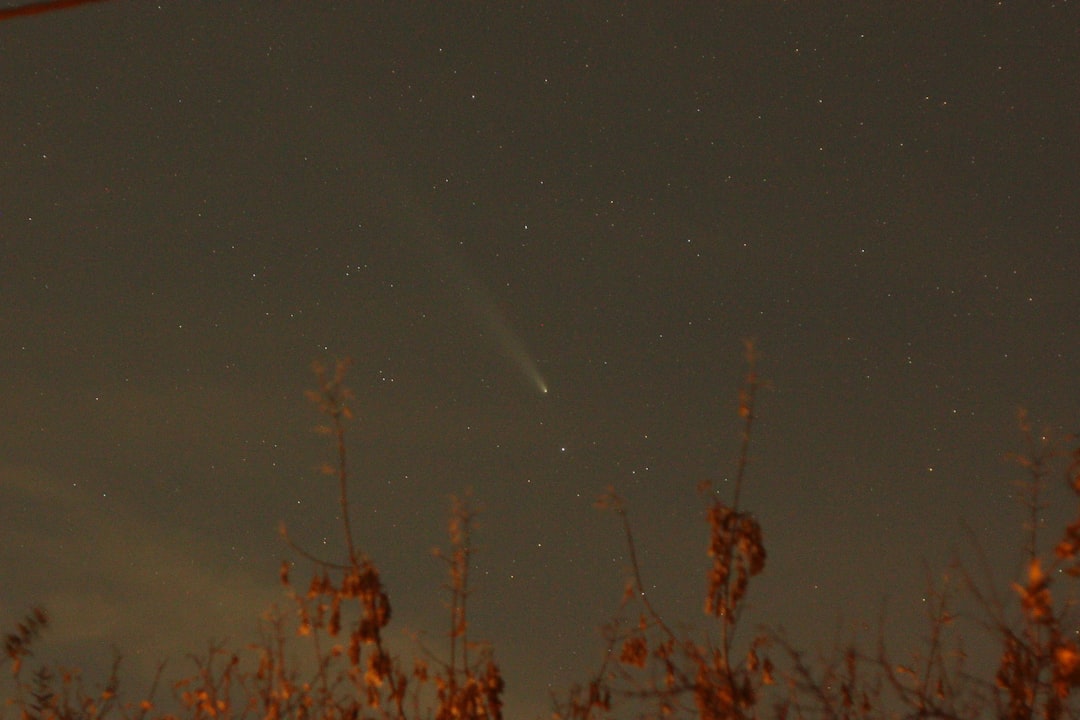
The Lyrids are produced by the debris left behind by comet C/1861 G1 (Thatcher). As Earth passes through this debris trail each April, particles enter our atmosphere and combust, creating the bright streaks we see in the sky. The Lyrids are known for their bright fireballs, which can light up the sky with stunning displays.
How to Prepare for the Lyrids
To make the most of your meteor-watching experience, here are some tips:
- Check the Weather: Ensure clear skies by checking the weather forecast ahead of time.
- Find a Dark Spot: The darker the location, the better your chances of seeing more meteors.
- Bring Comfortable Gear: Blankets, reclining chairs, and warm clothes can enhance your viewing experience.
- Be Patient: Give your eyes time to adjust to the dark, and don’t be discouraged if you don’t see a meteor immediately!
- Use Apps or Star Maps: Utilize stargazing apps or star maps to help locate constellations.
Myths and Legends of the Lyrids
<pThroughout history, the Lyrids have inspired myriad myths and tales. Ancient civilizations viewed meteors as omens from the gods. The Greeks associated the Lyrids with the lyre of Orpheus, while in ancient China, records of these meteors were linked to agricultural harvests.
Safety Tips for Viewing the Lyrids
<pWhile watching the meteor shower, it's important to stay safe. Here are a few quick tips:
- Stay Hydrated: Bring water and snacks for comfort during your night out.
- Use Bug Spray: Depending on your location, mosquitoes may be out, so be prepared!
- Inform Others of Your Plans: If you are heading out alone, let someone know where you will be.
Conclusion
The Lyrids meteor shower is a stunning celestial event that promises to mesmerize stargazers in the United States in April 2024. By preparing ahead of time, choosing the right location, and understanding what to expect, you can enjoy this annual spectacle. So grab a friend, head outside, and lose yourself in the beauty of the night sky!
Read Also:
NZ vs BAN: The Rising Cricket Rivalry Taking the United States by Storm
Source:
Google Trends
{“@context”:”https://schema.org”,”@type”:”FAQPage”,”mainEntity”:[{“@type”:”Question”,”name”:”What causes the Lyrids meteor shower?”,”acceptedAnswer”:{“@type”:”Answer”,”text”:”The Lyrids are caused by debris from comet C/1861 G1 (Thatcher) as Earth passes through its trail.”}},{“@type”:”Question”,”name”:”Can I see the Lyrids from the city?”,”acceptedAnswer”:{“@type”:”Answer”,”text”:”While it’s possible, viewing conditions are best in darker areas away from city lights to see more meteors.”}}]}