


Phoenix Weather: Your Ultimate Guide to the Desert Climate

Phoenix Weather: Your Ultimate Guide to the Desert Climate
Phoenix, Arizona, often beckons sun-seekers and adventure enthusiasts with its warm weather and stunning landscapes. But what can you actually expect from the Phoenix weather throughout the year? In this detailed guide, we’ll explore the climate patterns, seasonal changes, and some tips for navigating the intense temperatures.
Understanding Phoenix’s Climate
Located in the heart of the Sonoran Desert, Phoenix experiences a hot desert climate. This means that the summers are extremely hot, while winters are more moderate. The city receives very little rainfall, making it a prime location for outdoor activities nearly all year round.
Summer (June to September)
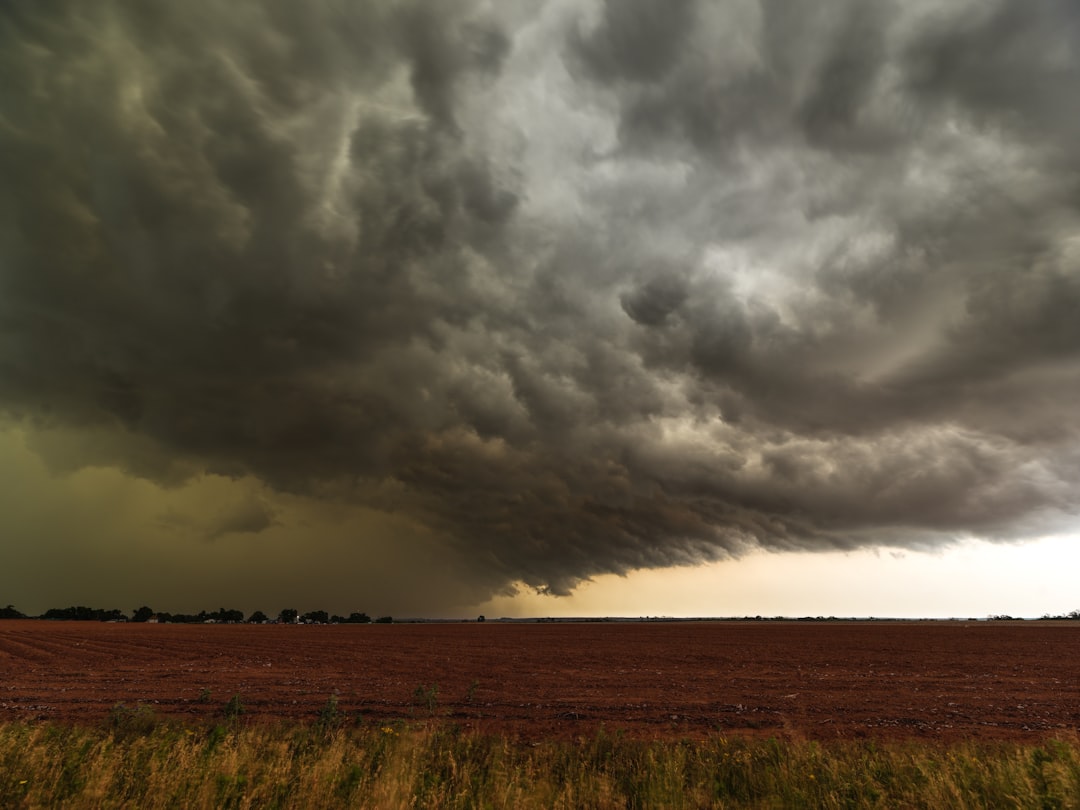
During the summer months, Phoenix weather can reach scorching highs. June marks the onset of summer with average temperatures climbing to the mid-100s°F (around 40°C). July and August are often the hottest months, with daily temperatures regularly exceeding 110°F (43°C). However, summer monsoons can bring brief, but heavy, rainfall and increased humidity, particularly in July and August.
Fall (October to November)
Once September fades into October, Phoenix begins to cool down, making this period one of the most enjoyable times to visit. Average temperatures in October hover around 80°F (27°C) during the day and drop to a pleasant 55°F (13°C) at night. This comfortable weather extends into November, offering ideal conditions for outdoor festivals, hiking, and golfing.
Winter (December to February)
Phoenix winters are mild compared to many regions across the United States, making it a popular winter retreat. Average high temperatures during December and January are about 65-70°F (18-21°C), while nighttime temperatures can dip to around 40°F (4°C). Although the chance of snowfall is virtually non-existent, occasional rain showers can occur.
Spring (March to May)
Spring marks a transition back to warmer temperatures in Phoenix. March introduces an average daytime temperature of about 75°F (24°C), which steadily climbs to over 90°F (32°C) by May. The bloom of wildflowers adds color to the desert scenery, making it a visually stunning period to explore local parks and trails.
What to Pack for Phoenix Weather
When visiting Phoenix, planning your wardrobe according to the weather can enhance your experience immensely. In the summer months, pack light, breathable clothing, along with sunscreen and a wide-brimmed hat to shield yourself from the blazing sun. If you’re visiting in winter or fall, layers are key as temperatures can vary significantly between day and night.
Outdoor Activities in Phoenix Weather
Phoenix’s favorable weather allows for a variety of outdoor activities year-round. From hiking the scenic trails of Camelback Mountain to enjoying a leisurely day at the Desert Botanical Garden, the city offers abundant recreation opportunities regardless of the season. The fall and spring months are peak seasons for outdoor excursions, while summer provides unique activities like early morning hikes and evening events under the stars.
Conclusion
In summary, understanding Phoenix’s weather patterns can help you make the most of your visit. Whether you’re drawn to the heat of the summer or the mild winters, Phoenix’s weather invites adventure. Make sure to stay hydrated and take necessary precautions under the desert sun!
Read Also:
Spencer Jones: The Rising Star Captivating Audiences Across the United States
Source:
Google Trends
{“@context”:”https://schema.org”,”@type”:”FAQPage”,”mainEntity”:[{“@type”:”Question”,”name”:”What is the hottest month in Phoenix?”,”acceptedAnswer”:{“@type”:”Answer”,”text”:”July is typically the hottest month in Phoenix, with average temperatures exceeding 110u00b0F (43u00b0C).”}},{“@type”:”Question”,”name”:”Can it rain in Phoenix during the summer?”,”acceptedAnswer”:{“@type”:”Answer”,”text”:”Yes, summer monsoons can bring brief but heavy rainfall, particularly in July and August.”}}]}