


The Escalating Tensions: Could Israel and Iran Be Heading to War?
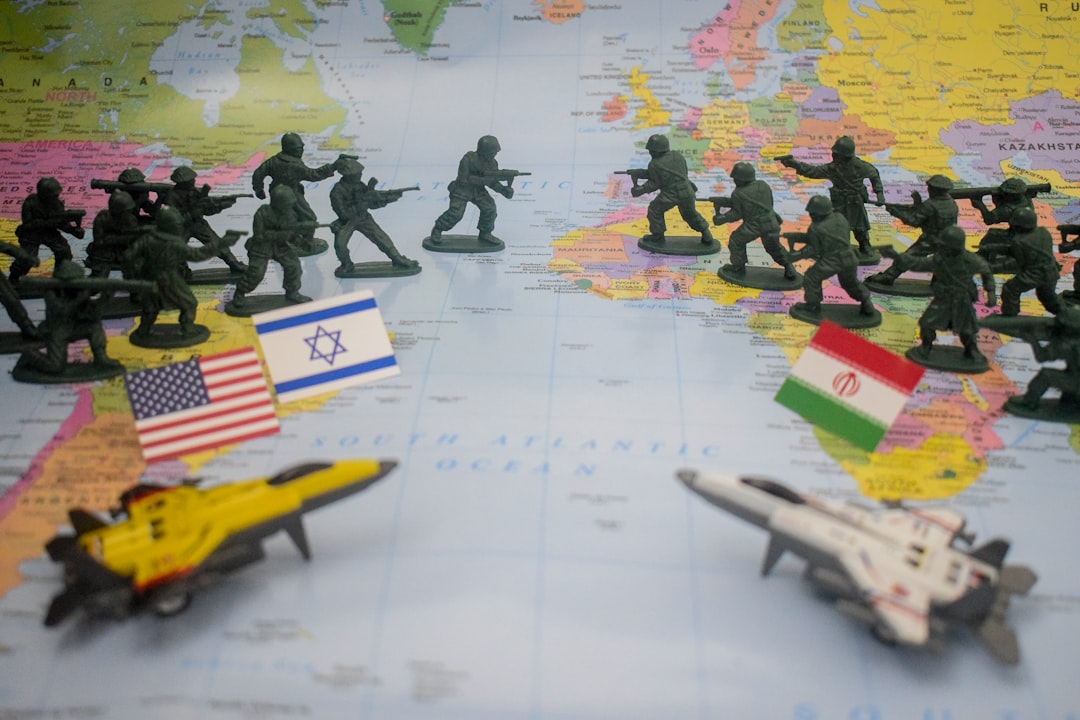
Understanding the Israel-Iran Conflict
The relationship between Israel and Iran has been tense for decades, marked by hostility and accusations. As of 2023, the potential for an outright war between these two nations has become a trending topic in the United States, attracting attention from policymakers, analysts, and the general public alike.
The Historical Backdrop
The roots of the conflict trace back to the 1979 Iranian Revolution, which led to the establishment of a theocratic regime that views Israel as an illegitimate state. Iran’s support for militant groups like Hezbollah and Hamas has only exacerbated these tensions.
Recent Developments
In recent months, Israel has ramped up its military operations against Iranian positions in Syria, where Iran has been establishing a military foothold. These actions are driven by the concern that a stronger Iranian presence could pose a direct threat to Israel’s security. In response, Iran has promised retaliation, which raises the stakes considerably.
The Role of the United States
The U.S. has traditionally been an ally of Israel, providing military support and strategic backing. In light of recent tensions, the Biden administration has been closely monitoring the situation. However, it’s crucial to recognize that any military engagement in this region also holds implications for U.S. interests.
Implications of a Potential War
If a war were to break out between Israel and Iran, it could have significant ramifications not just for the Middle East but globally. Countries across Europe and Asia are already bracing for the possibility of increased energy prices and wider geopolitical instability.
Public Sentiment in the U.S.
Polling indicates that public interest in the Israel-Iran conflict is high. Many American citizens are anxious about the potential for military conflict, while others are concerned about the implications of U.S. involvement. Activist groups on both sides of the debate are mobilizing in response to the escalation.
What Does This Mean for the Future?
In conclusion, the situation between Israel and Iran is particularly precarious, with a war becoming increasingly plausible. Stakeholders are urged to engage in diplomatic discussions to defuse tensions and prevent a larger-scale conflict. As the situation evolves, staying informed will be crucial for understanding the impact on both the U.S. and the wider world.
Read Also:
Derrick Jones Jr.: Rising Star in the NBA
Source:
Google Trends
{“@context”:”https://schema.org”,”@type”:”FAQPage”,”mainEntity”:[{“@type”:”Question”,”name”:”What are the main causes of the Israel-Iran conflict?”,”acceptedAnswer”:{“@type”:”Answer”,”text”:”The conflict is primarily driven by ideological differences, Iran’s nuclear ambitions, and its support for anti-Israel militant groups.”}},{“@type”:”Question”,”name”:”How could a war between Israel and Iran impact the United States?”,”acceptedAnswer”:{“@type”:”Answer”,”text”:”A conflict could lead to increased energy prices, involvement of U.S. forces, and a reconfiguration of alliances in the Middle East.”}}]}