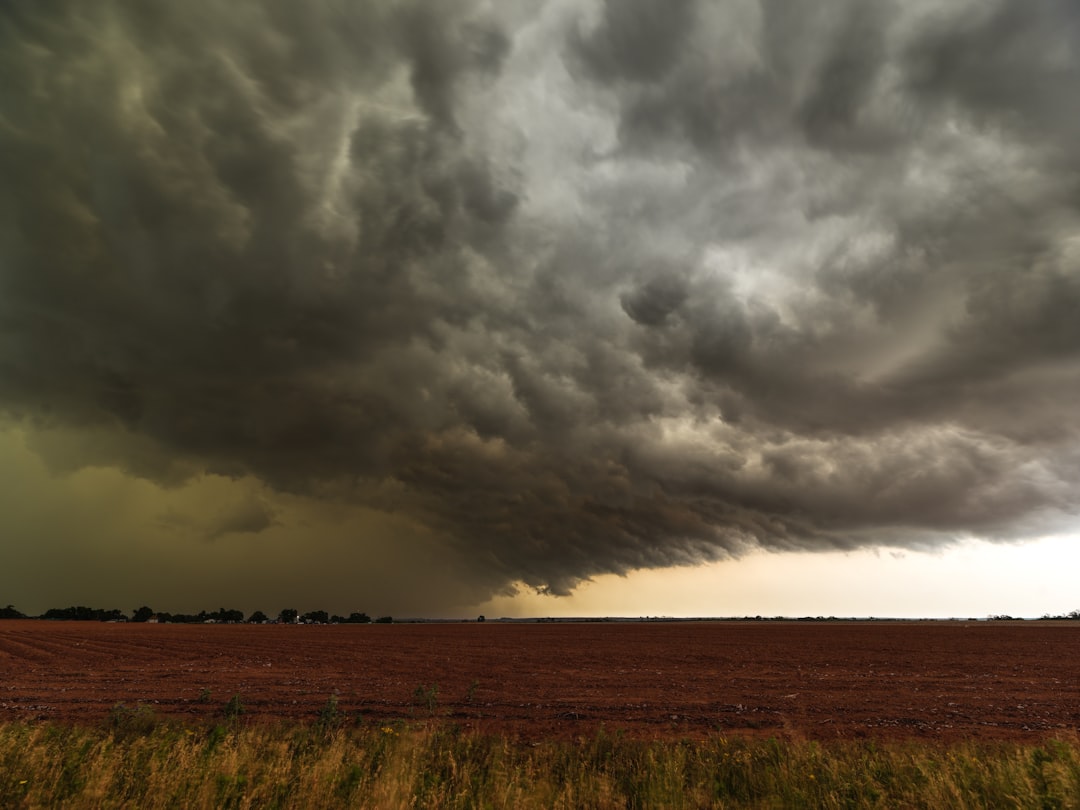



Understanding Flash Flood Warnings: What You Need to Know
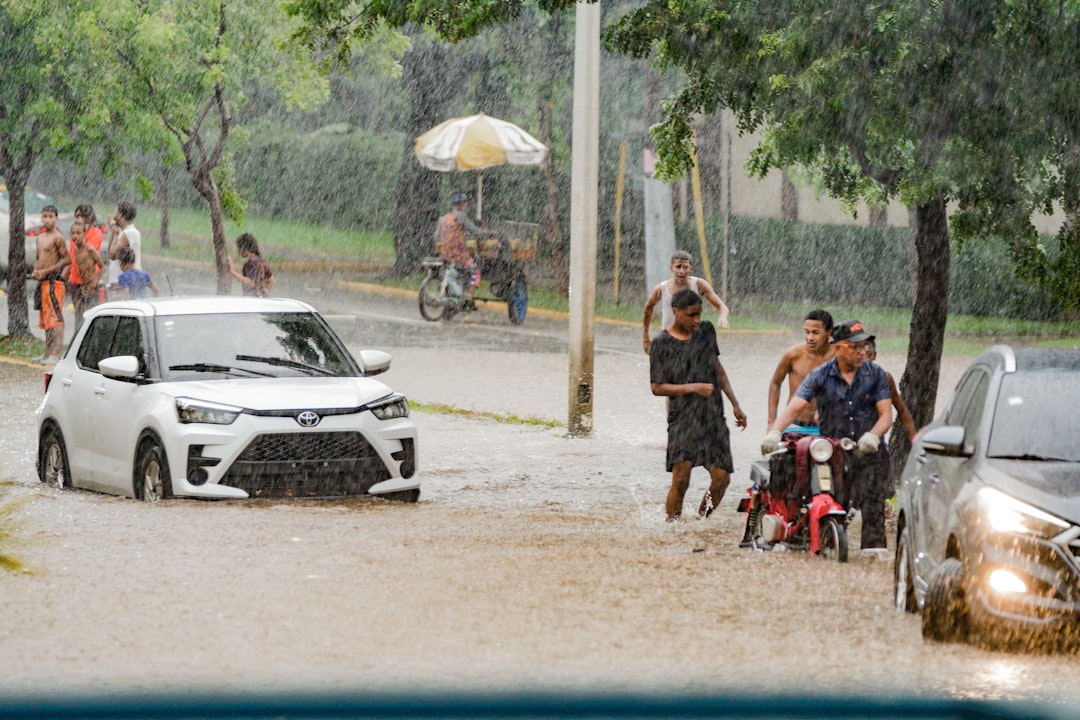
Understanding Flash Flood Warnings
Flash floods can occur with little warning, creating dangerous conditions. In the United States, flash flood warnings have become increasingly relevant due to severe weather patterns. This blog post will help you understand what flash flood warnings are, the signs to watch for, and safety tips to follow.
What is a Flash Flood Warning?
A flash flood warning indicates that flash flooding is imminent or occurring. These warnings are issued when there is significant rainfall that leads to rapidly rising water levels in rivers, streams, or low-lying areas. It’s crucial to take such warnings seriously as flash floods can occur suddenly, oftentimes within six hours of heavy rainfall.
How Flash Flood Warnings are Issued
In the U.S., the National Weather Service (NWS) monitors weather conditions and can issue flash flood warnings based on several factors, including
- Heavy rainfall within a short period
- Flash flood watches that may have been issued previously
- Local river gauge reports
- Radar and satellite data
Recognizing the Signs of Flash Flooding
In addition to official warnings, there are visible signs that may indicate a flash flood is imminent. Be alert for:
- Heavy rain, especially if it falls over a short period
- Rapidly rising water in creeks, streams, or urban areas
- Debris flowing through water
- Sudden changes in water color, such as a muddy brown hue, indicating sediment
Safety Tips During a Flash Flood Warning
Safety should always be your top priority when a flash flood warning has been issued. Here are some essential safety tips:
- Immediate action: Move to higher ground and stay there until the danger has passed. Even a small amount of moving water can sweep you away.
- Avoid floodwaters: Stay away from flooded areas, especially roadways. Turn around, don’t drown.
- Stay informed: Keep your mobile alerts activated. Use a NOAA weather radio for updates.
- Have an emergency kit: Include essentials like water, non-perishable food, medications, and flashlights.
Preparing for Potential Flash Floods
Preparation is key to survival during flash floods. Individuals living in flood-prone areas should take proactive measures, including:
- Creating an emergency plan with your family
- Designating a meeting place if you get separated
- Installing sump pumps and maintaining proper drainage around your property
- Purchasing flood insurance for your home
Conclusion
Flash floods are a serious threat that can occur quickly and without much warning. By understanding what flash flood warnings mean, recognizing the signs, and implementing safety measures, you can reduce your risk and protect yourself and your family. Always heed the advice of local authorities during severe weather events and take preparations seriously.
Read Also:
Celebrating International Quantum Day: Understanding the Impact of Quantum Physics
Source:
Google Trends
{“@context”:”https://schema.org”,”@type”:”FAQPage”,”mainEntity”:[{“@type”:”Question”,”name”:”How can I stay informed about flash flood warnings?”,”acceptedAnswer”:{“@type”:”Answer”,”text”:”You can stay informed by enabling alerts on weather apps, listening to NOAA weather radios, and following local news.”}},{“@type”:”Question”,”name”:”What should I do if I’m caught in a flash flood?”,”acceptedAnswer”:{“@type”:”Answer”,”text”:”If caught in a flash flood, seek higher ground immediately, avoid walking or driving through floodwaters, and wait for the emergency services to clear the area.”}}]}